A quick flight brought me from Koh Samui to Phuket. I spent the night in a no-frills hotel that was surprisingly clean, modern, and affordable. It wasn't luxurious, but for a short stopover, it suited me just fine.
Travel Log for July 14th to July 22nd, 2026
Hong Kong
Tuesday, July 14th, 2026 - The next day, it was back to Phuket Airport for my flight to Hong Kong. The journey was smooth and uneventful, and before long I was touching down in a city I had never visited before. Unfortunately, this trip didn't leave any time for sightseeing. Thankfully, Connie and I will have another opportunity on our return trip from China.
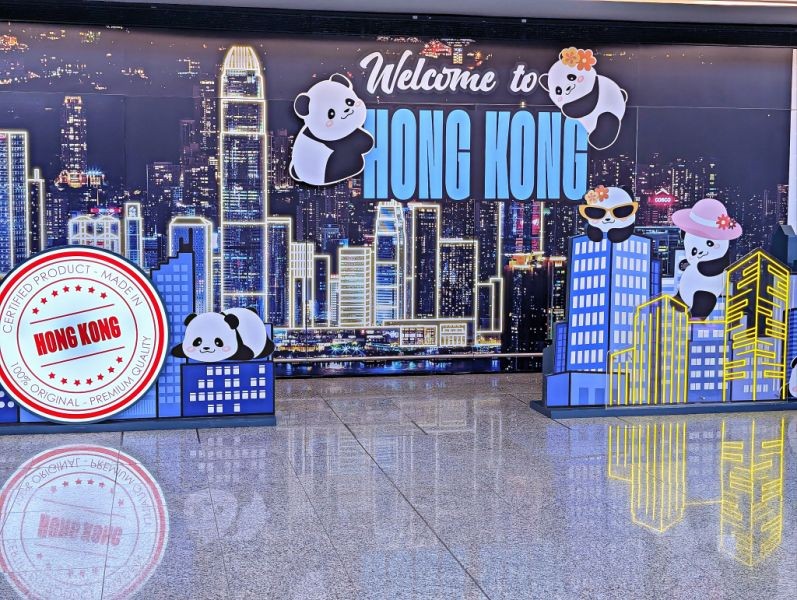
My first impression? Hong Kong International Airport is enormous. As we approached the terminal, I could see major construction projects underway in several areas around the airport. I was pleasantly surprised to discover that my hotel offered a complimentary airport shuttle. That's always a welcome perk, especially after a travel day. Of course, finding the correct pickup location is often an adventure in itself, and even more so in a foreign country. Fortunately, Hong Kong makes things easier with signage in multiple languages throughout the airport.
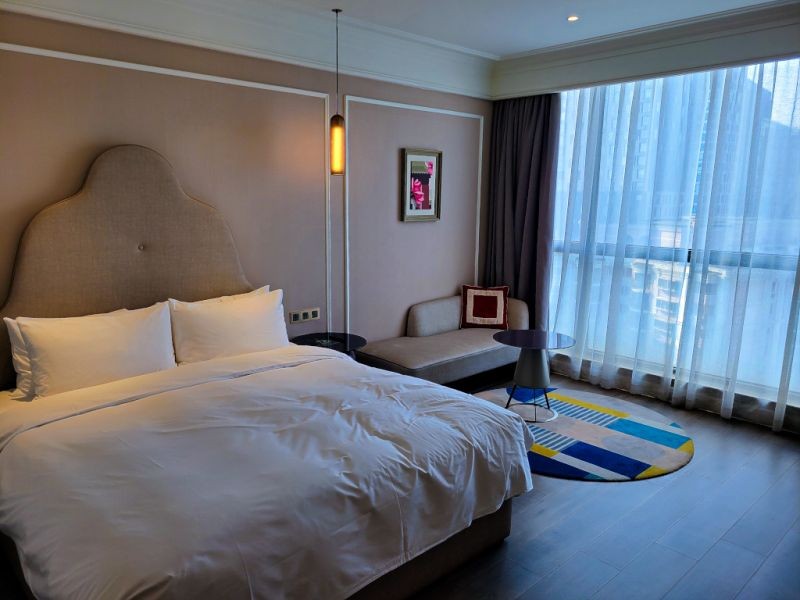
After a bit of navigating, I found the right shuttle stop and boarded the correct bus. The ride to the hotel was quick, and upon arrival I was greeted by a property that was far nicer than I had expected. Clean, modern, stylish, and comfortable.
I enjoyed the buffet dinner at my hotel in Hong Kong. To be honest, I couldn't tell you exactly what some of the dishes were, but everything I tried was delicious. My first impression of Hong Kong was that it didn't seem quite as massive as I had imagined. Of course, I only saw a small portion of the city, so I'm sure there's much more to explore when we return.
That night, sleep didn't come easily. The anticipation of seeing Connie the next morning kept me awake. She was flying in from Phoenix and scheduled to arrive early, and our plan was to meet at the airport departure terminal before catching our flight together to Incheon, South Korea. The next morning, I boarded the first hotel shuttle to the airport at 5:45 a.m. Connie was due to arrive a couple of hours earlier, and thankfully everything went according to plan. We found each other without any issues and shared a long-awaited reunion. After being apart for 13 weeks, we were both overjoyed to be together again. With the separation behind us and a new chapter of our journey about to begin, I was excited to continue our around-the-world adventure side by side.
Incheon, South Korea
Wednesday, July 15th, 2026 - We checked in and had a few hours to relax before our flight to Incheon. Once again, everything went smoothly. The flight itself was only about three and a half hours, which seemed surprisingly short. We had expected a longer journey, but we hadn't factored in the one-hour time difference. A pleasant surprise, to say the least. There was, however, one small hiccup in our plans.
We knew we wanted to spend time exploring Seoul and visiting the Demilitarized Zone (DMZ), one of the most significant sites from the Korean War. Thinking ahead, we booked a hotel that we believed was conveniently located near Seoul. It wasn't until after we arrived that we realized our hotel was actually more than an hour away. Oh well, another reminder that travel rarely goes exactly as planned. As I've come to say, it's all part of the adventure.
We grabbed a taxi from the airport and headed to our hotel, Ibis Ambassador in Suwon, South Korea. Fortunately, the hotel itself was a pleasant surprise: clean, modern, comfortable, and affordable. It didn't offer a lot of extras, but it was exactly what we needed as our base for the next stage of our Korean adventure.
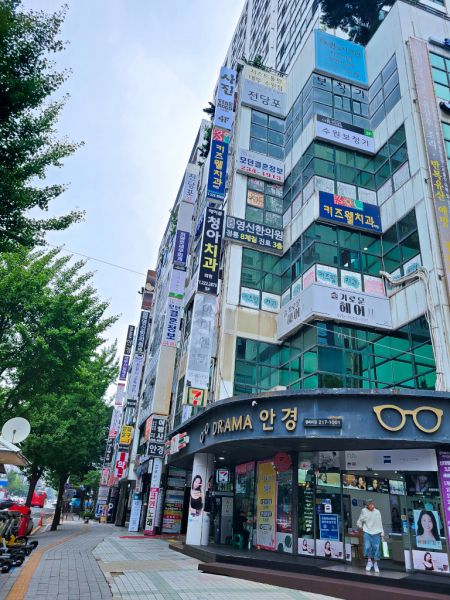
After getting settled into the hotel, we headed out in search of dinner. Like everywhere else we've visited in Asia so far, it was hot and humid, and I had one thing on my mind, a large, ice-cold beer. By then, we were both pretty hungry. Our flight on Hong Kong Express, one of the region's budget airlines, had been comfortable enough, but "budget" truly means budget. Nothing was included, not even a glass of water.
We eventually found a local restaurant serving Korean-style fried chicken and ordered a feast. The crispy chicken paired perfectly with a cold beer, and after a long day of travel it tasted absolutely wonderful.
Thursday, July 16th, 2026 - On our first full day in Suwon, we spent the morning exploring the surrounding neighborhoods and getting a feel for the area. We also visited the local subway station to figure out how complicated it would be to travel into Seoul for sightseeing. Unlike Singapore and Hong Kong, where English signage is common, we quickly discovered that most of the signs here were only in Korean. We probably could have worked our way through the system using Google Translate and a little help from locals, but after weighing our options, we decided it would be easier, and much faster, to spend a little extra money and rely on taxis for our trip into Seoul.
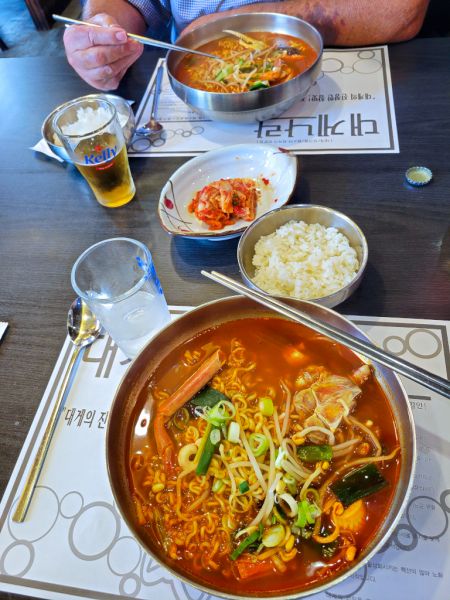
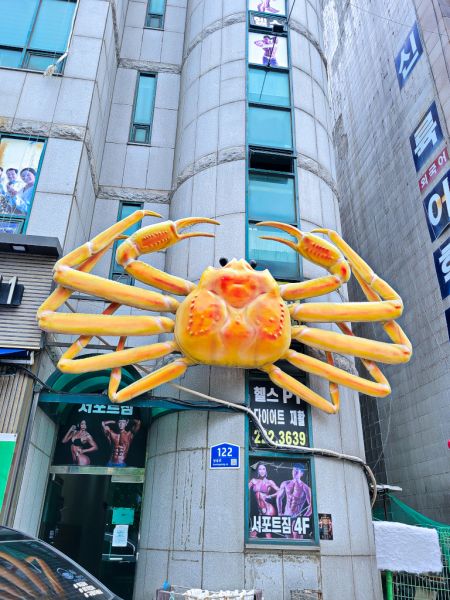
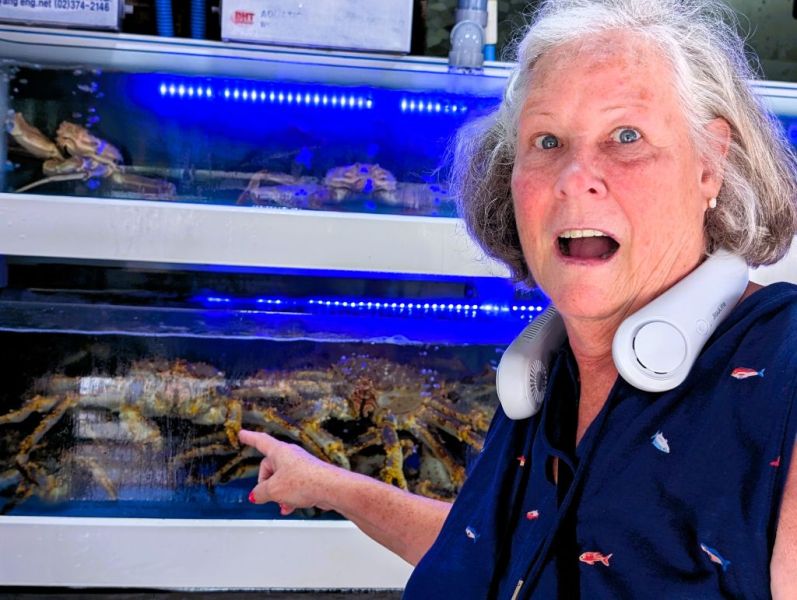
Later, we found a Korean restaurant known for its crab dishes and stopped in for lunch. We both ordered snow crab ramen. It had a bit of a spicy kick, but the rich seafood flavor made it well worth it. And, naturally, we enjoyed a couple of beers with our meal.
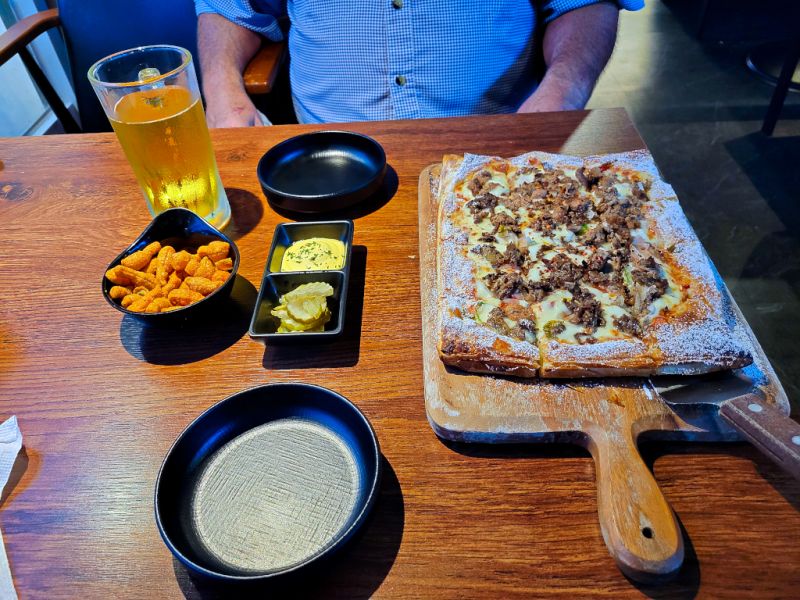
That evening, I browsed the Viator website and booked a couple of tours for our stay in South Korea. We signed up for a local tour of Suwon's Hwaseong Fortress for the next day (July 17) and a tour of the Korean Demilitarized Zone (DMZ) near Seoul for Saturday (July 18). We briefly considered skipping dinner, but hunger eventually won out. We headed back to the fried chicken restaurant and decided to try a Bulgogi pizza. Bulgogi is one of Korea's most famous dishes, and its name literally translates to "fire meat." Combined with pizza, it may sound unusual, but it was absolutely delicious.
Friday, July 17th, 2026 - The next morning, we met our guide, Han, for our Suwon tour. The day got off to a slightly unexpected start. We had assumed transportation to the fortress would be provided, but instead Han planned for us to take a public bus. After walking to the bus stop and waiting for a while, he eventually decided to call a taxi instead, which suited us just fine.
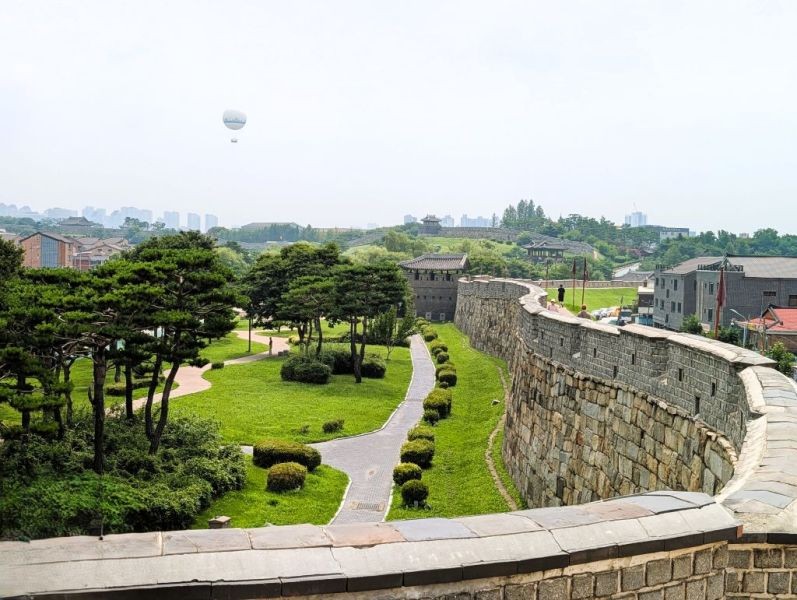
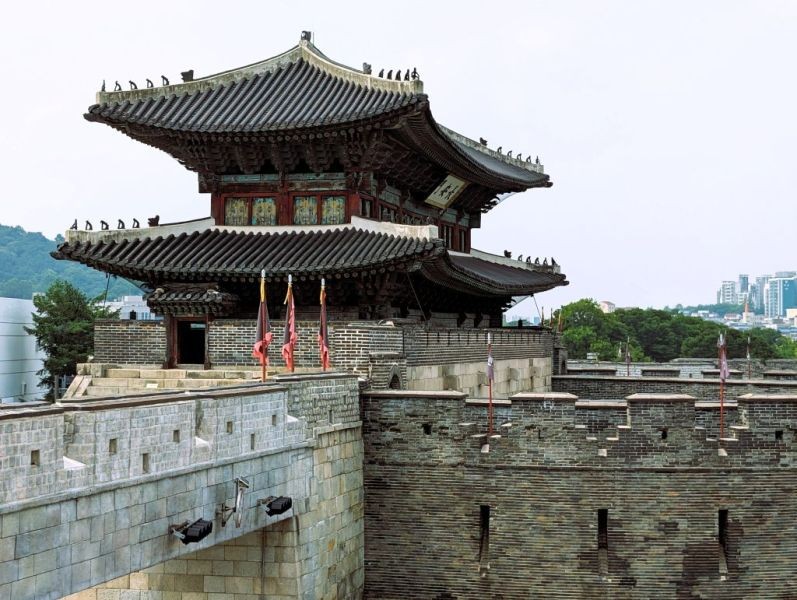
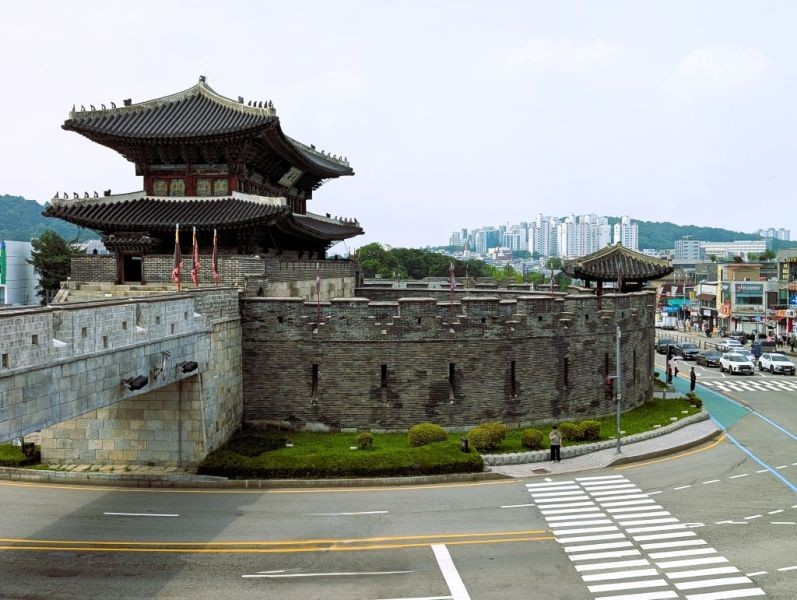
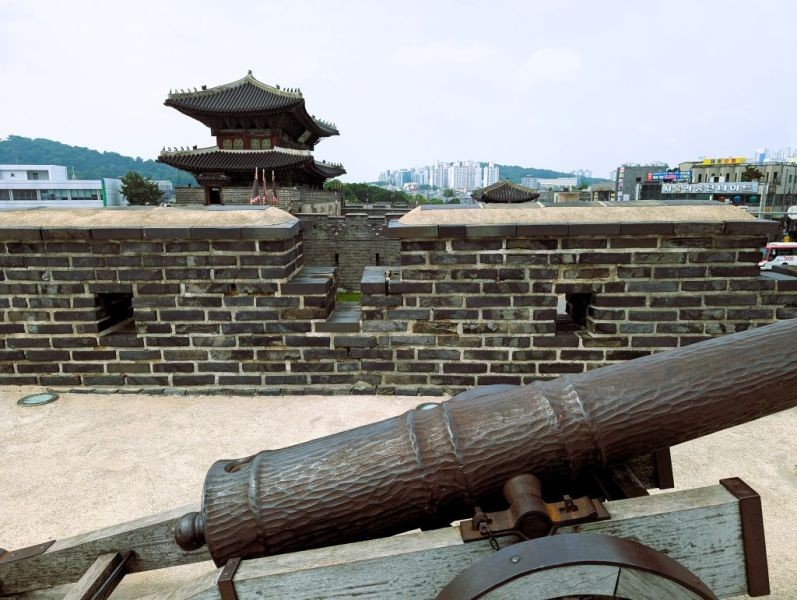
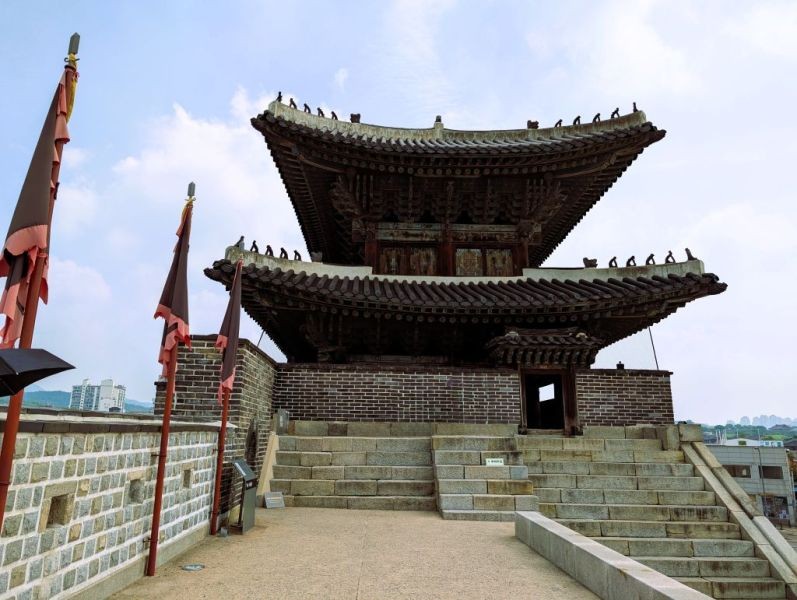
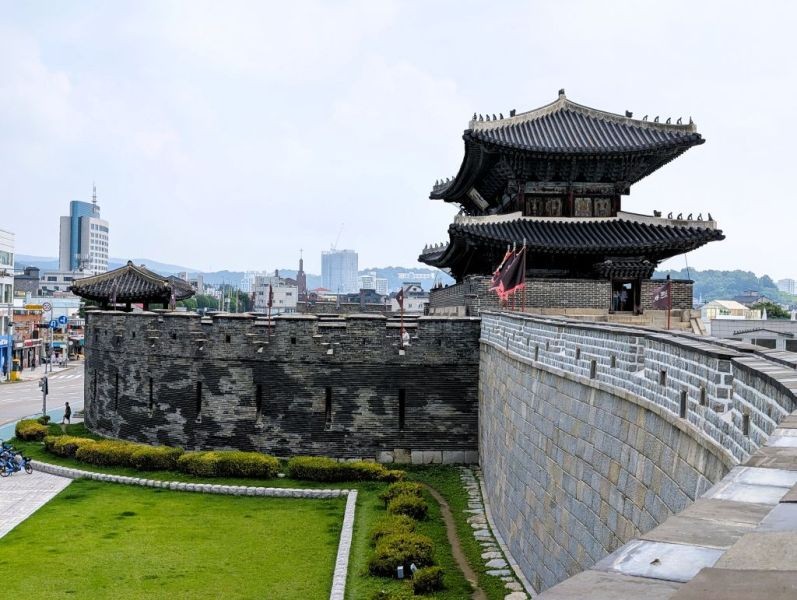
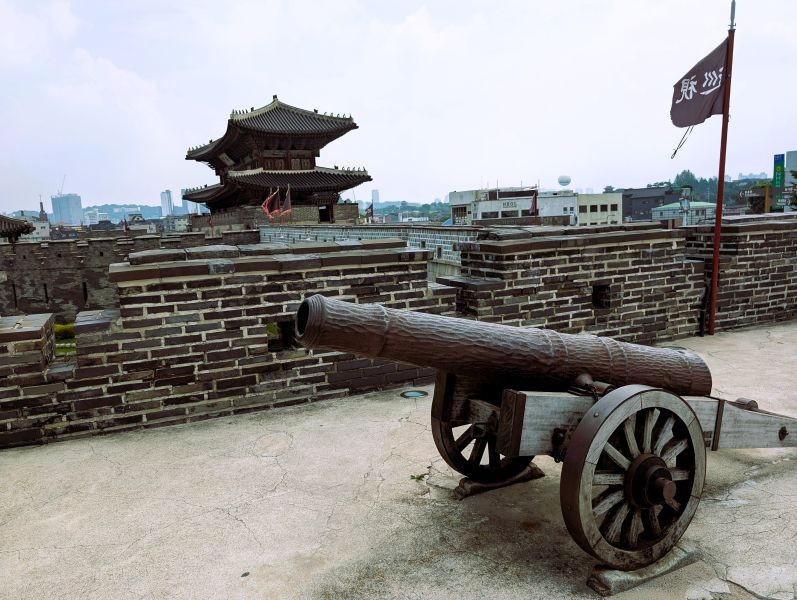
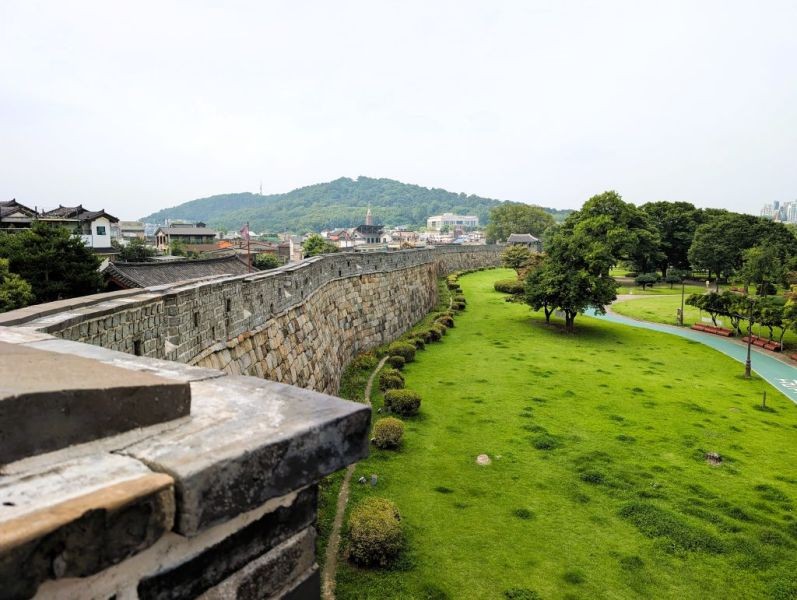
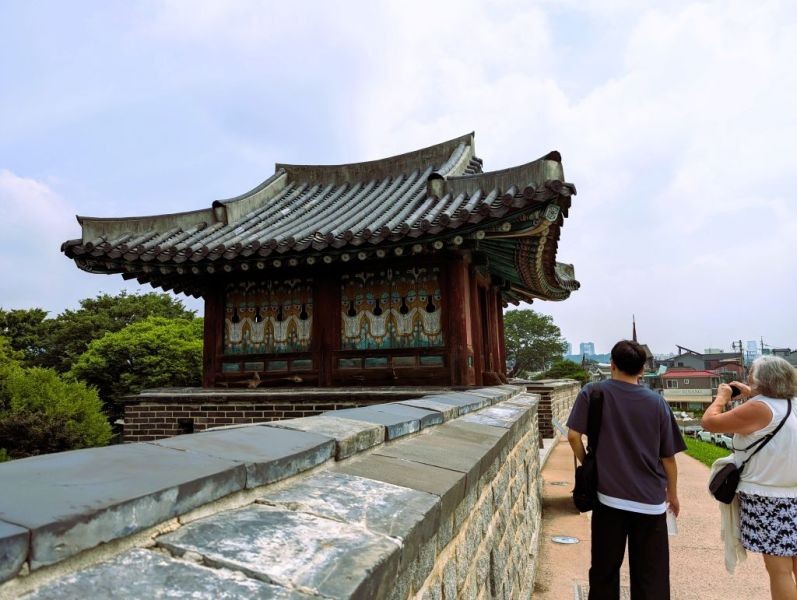
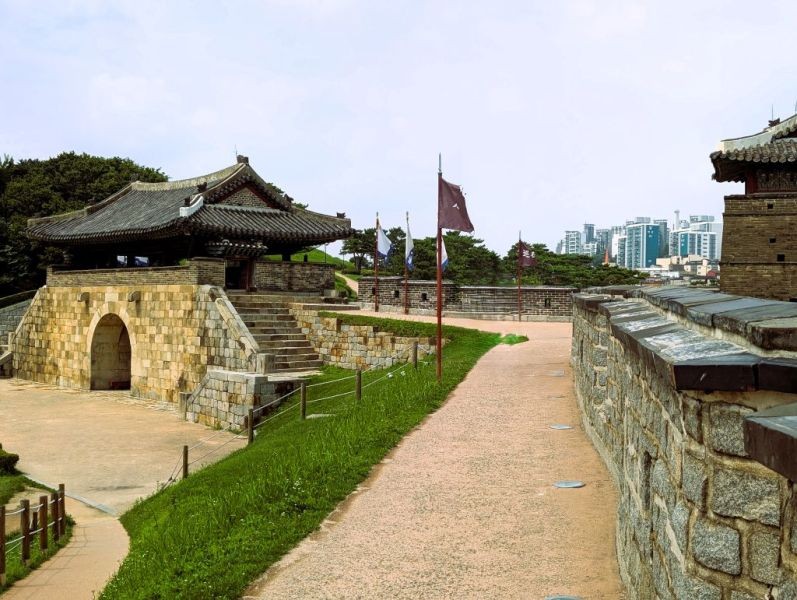
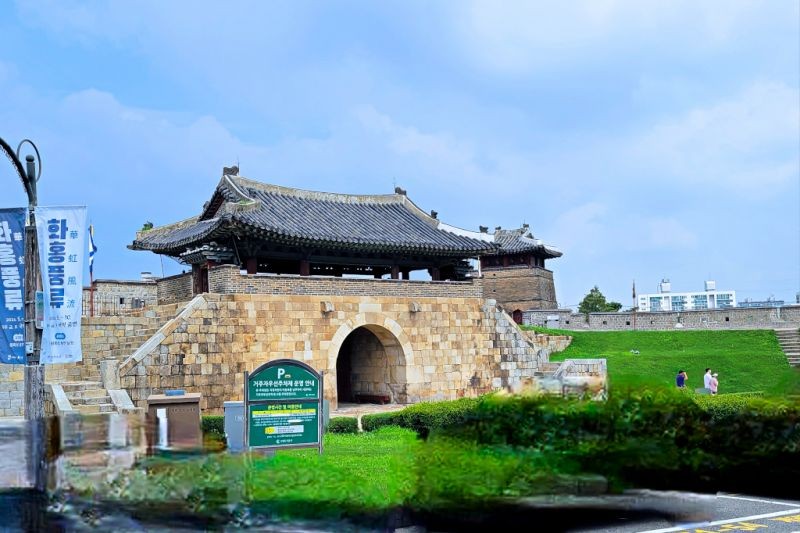
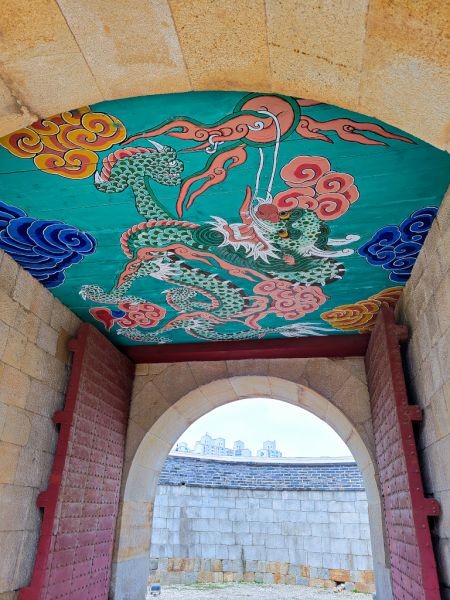
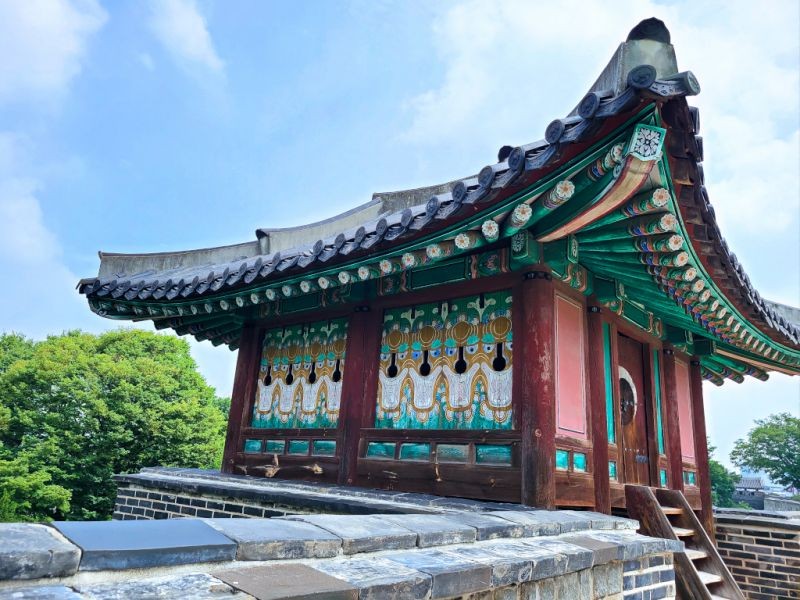
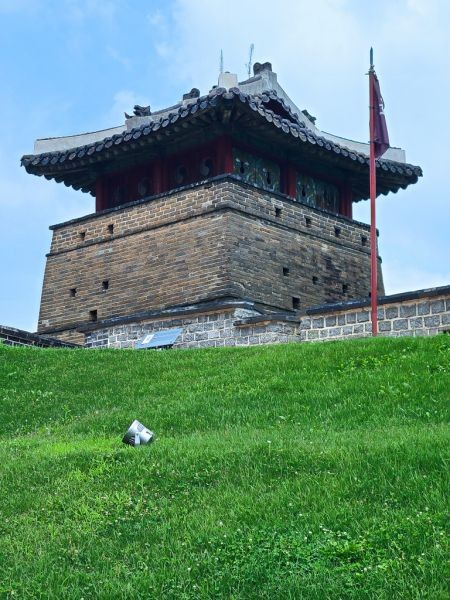
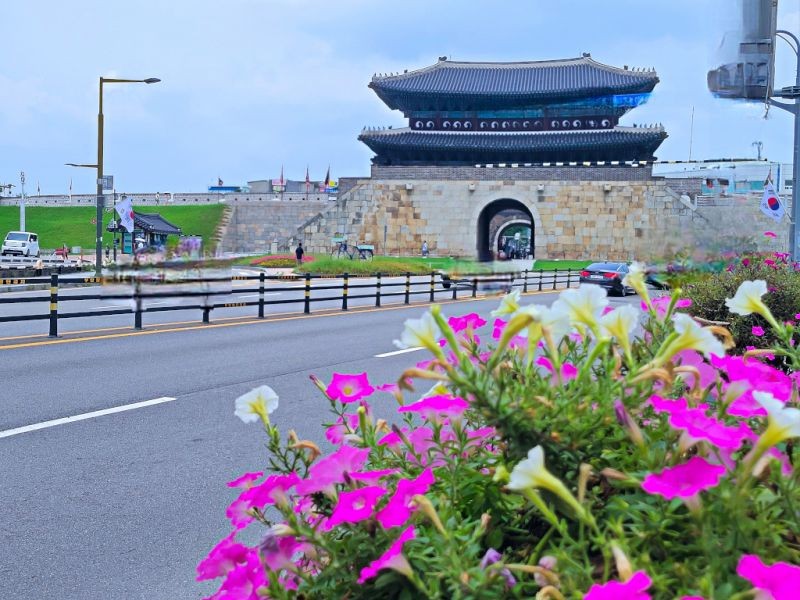
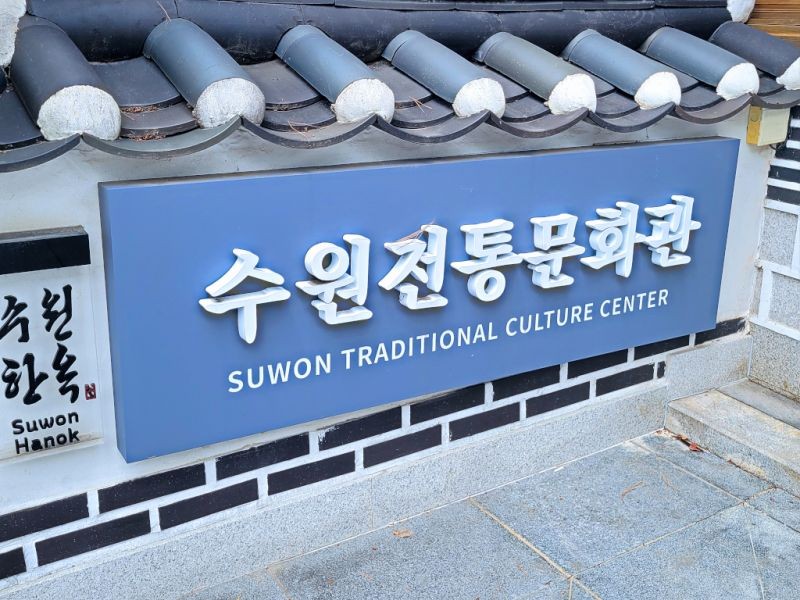
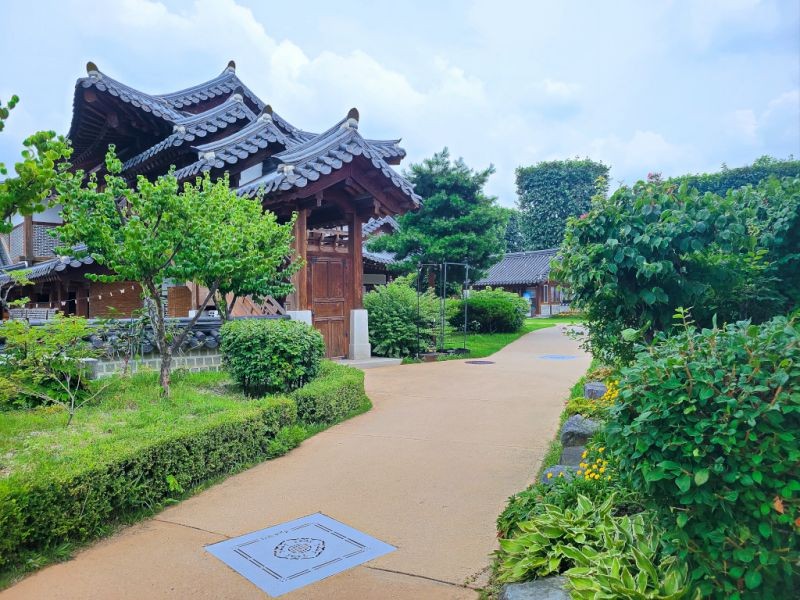
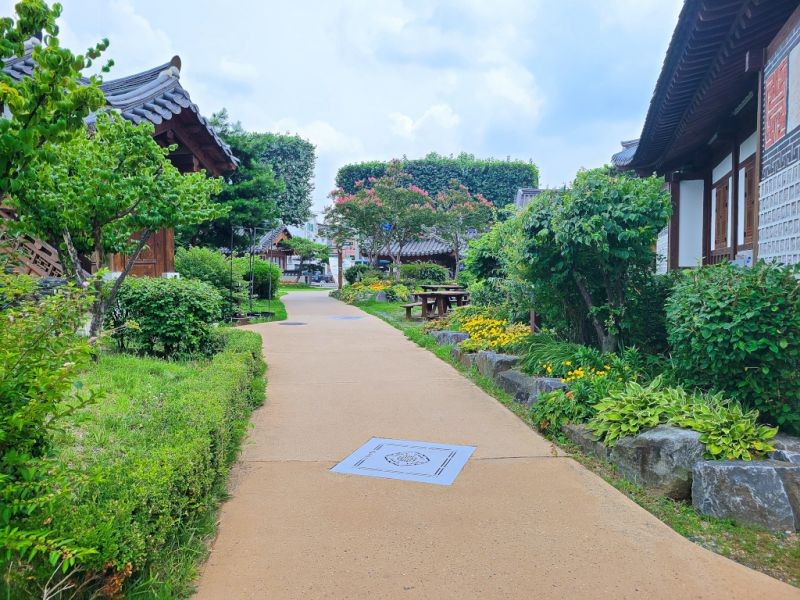
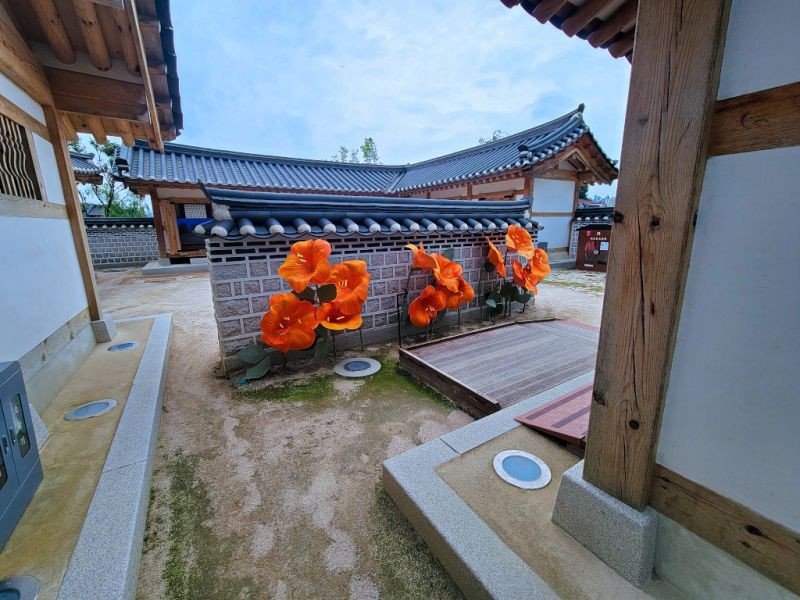
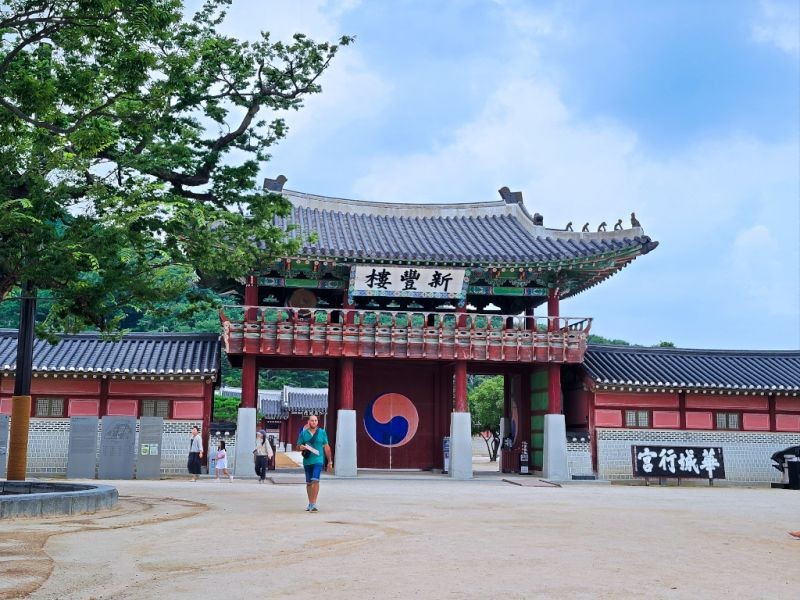
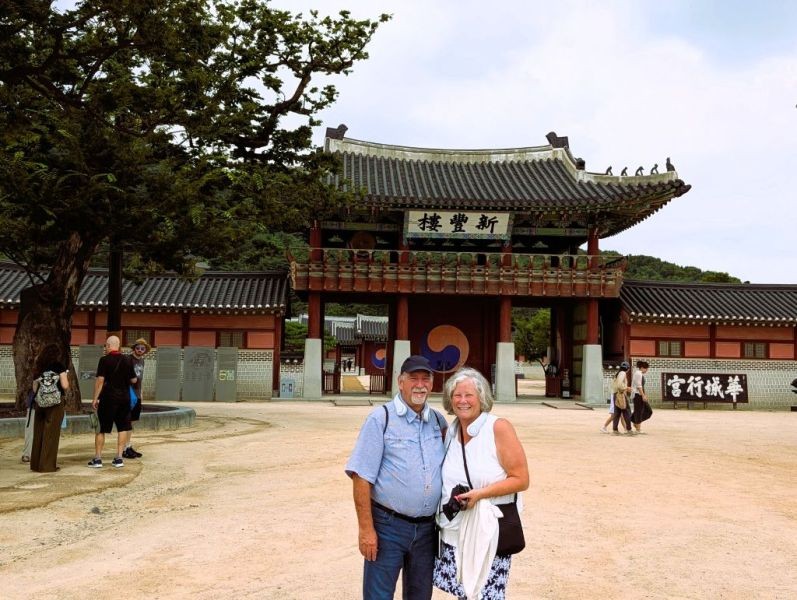
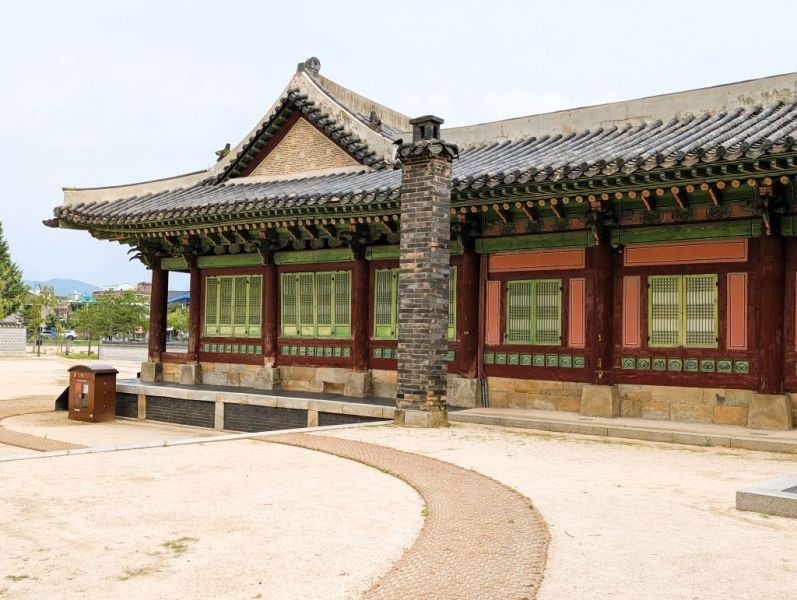
Han was friendly and knowledgeable, and before long we arrived at Hwaseong Fortress. We spent the morning walking along the historic fortress walls under the relentless heat and humidity. Despite the weather, it was interesting to learn about the fortress's history and its importance to the city. We made several stops along the way for cold drinks and a chance to cool off whenever we could. Our next stop was at the Suwan Traditional Cultural Center. This little center had replicas of traditional Korean buildings.
Photos of the Hwaseong Fortress
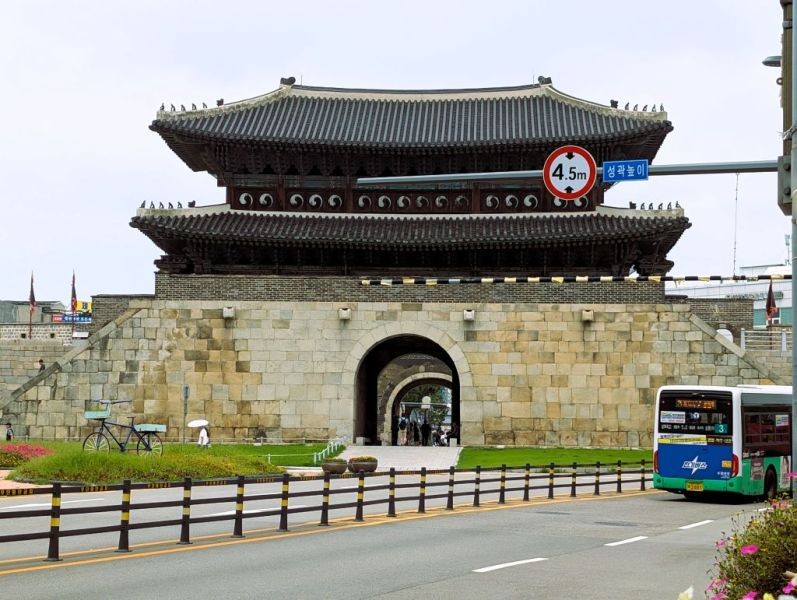
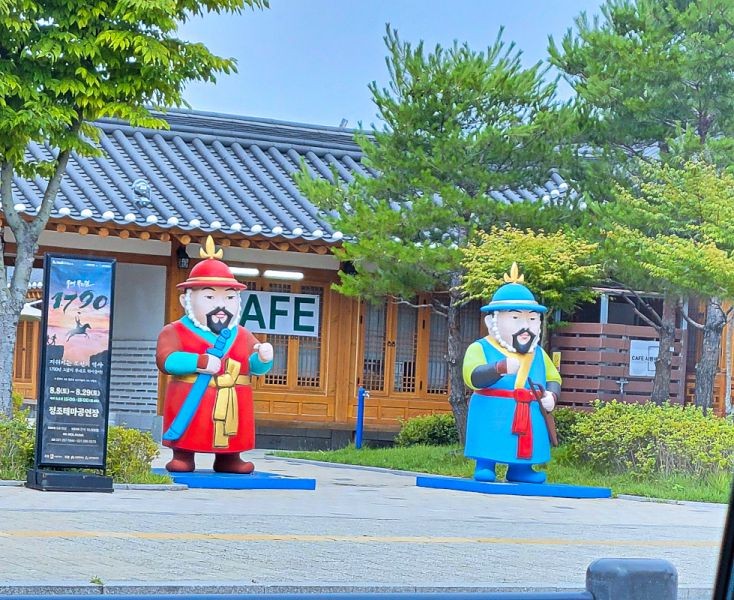
Photos of Suwan Traditional Cultural Center
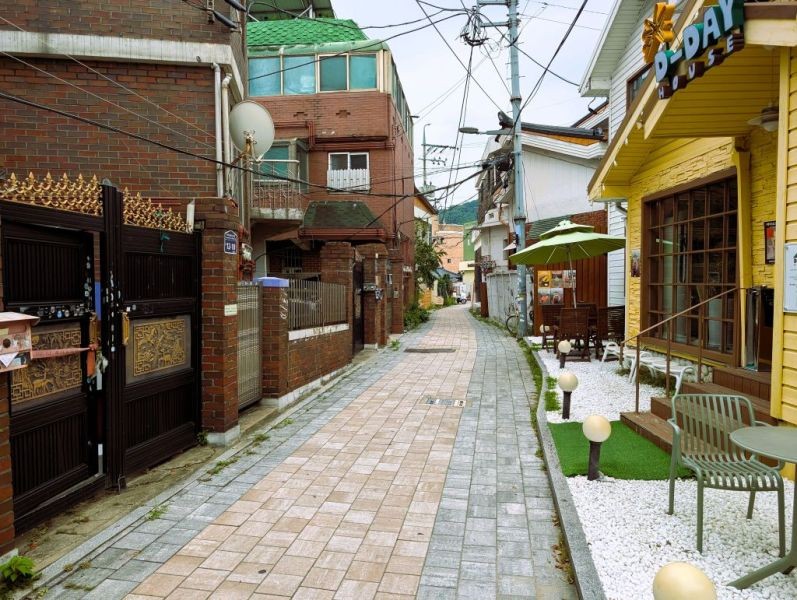
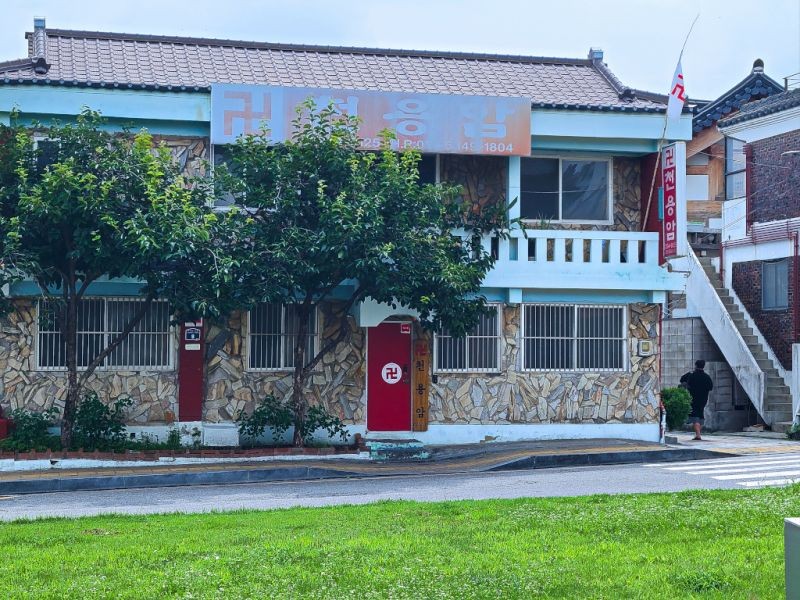
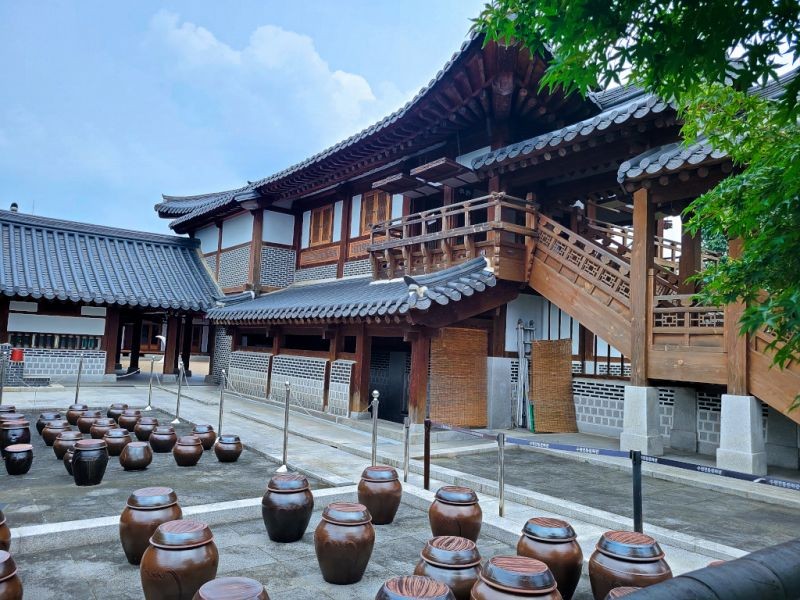
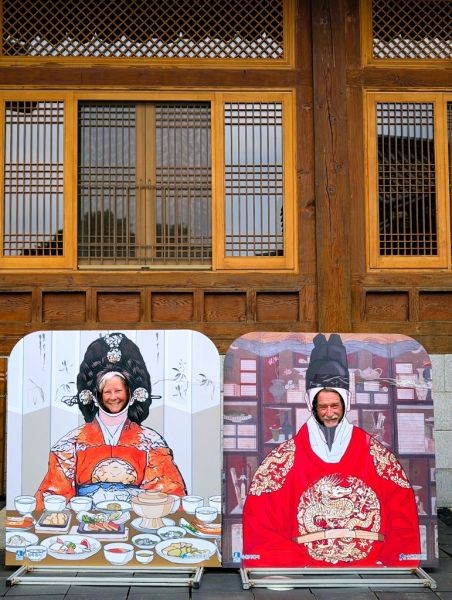
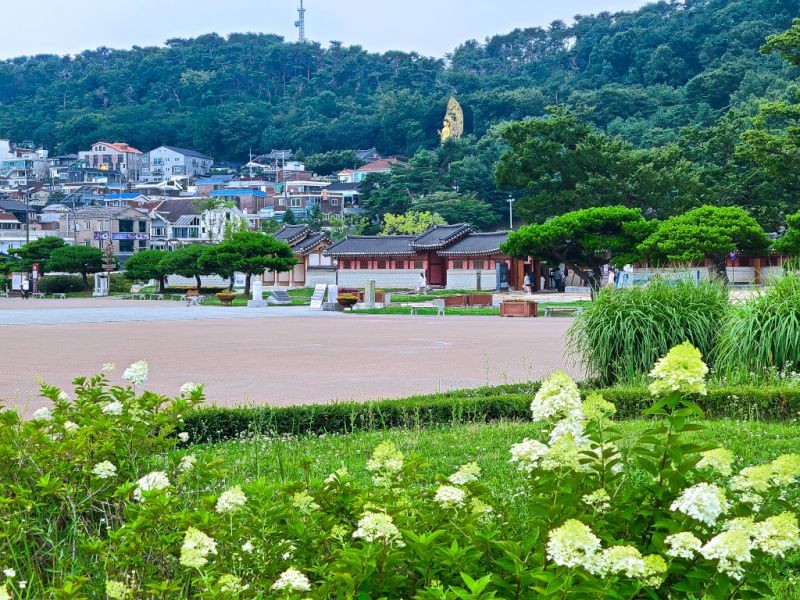
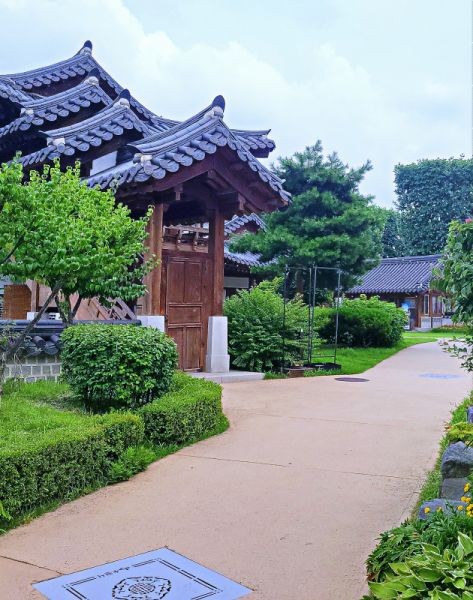
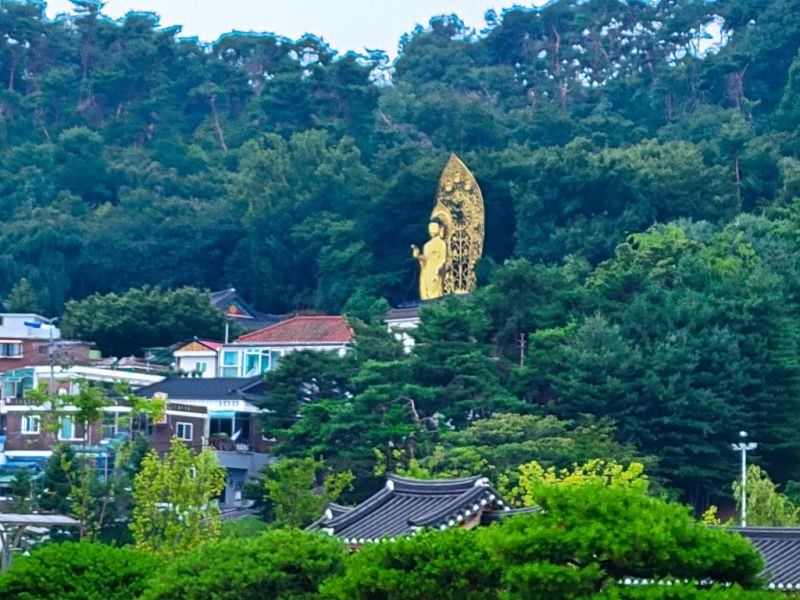
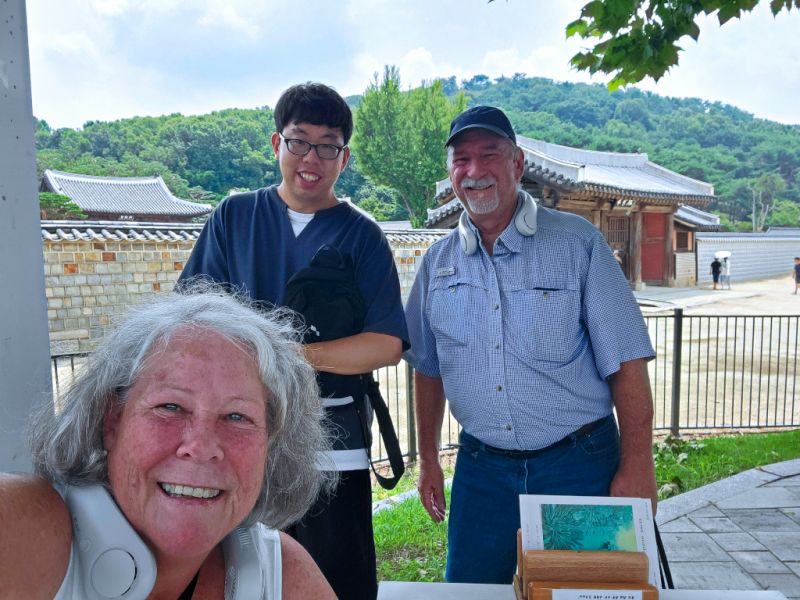
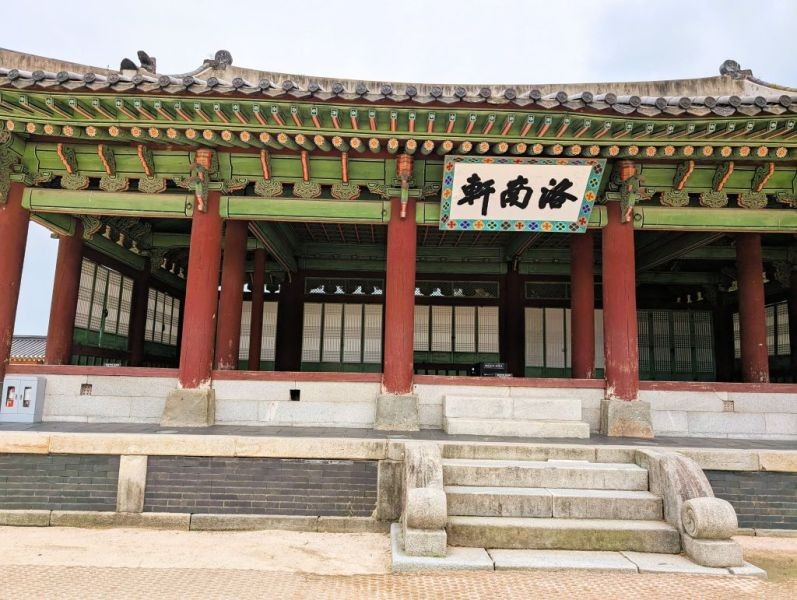
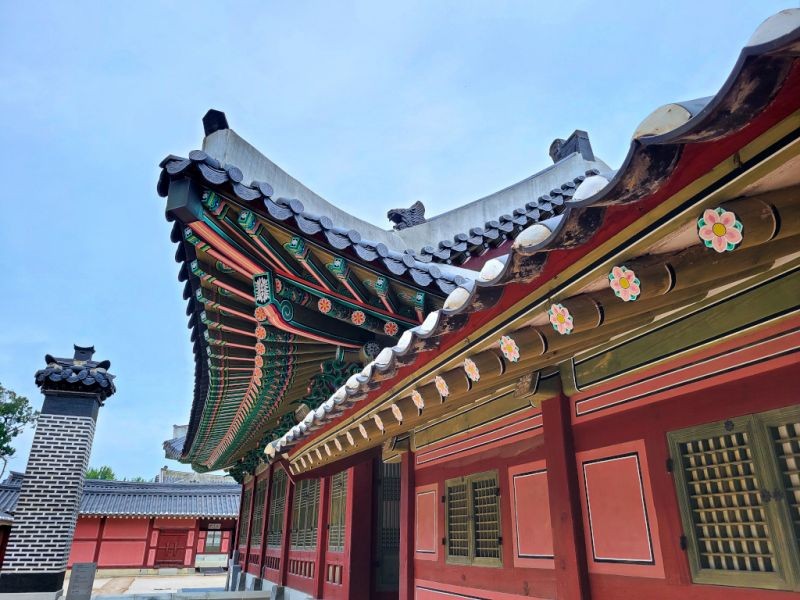
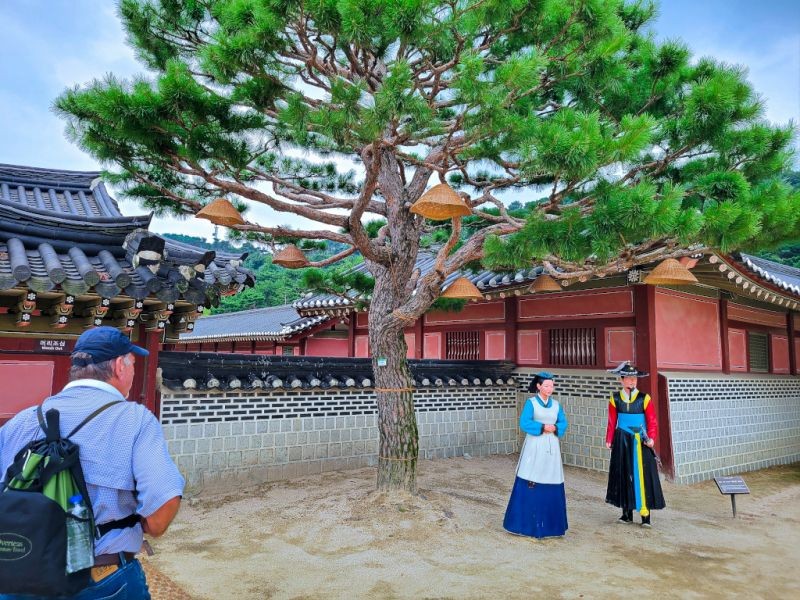
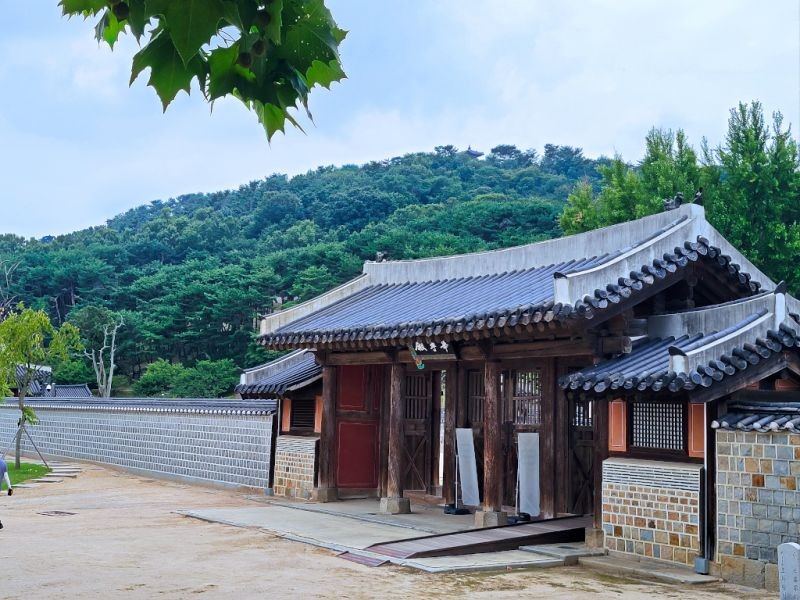
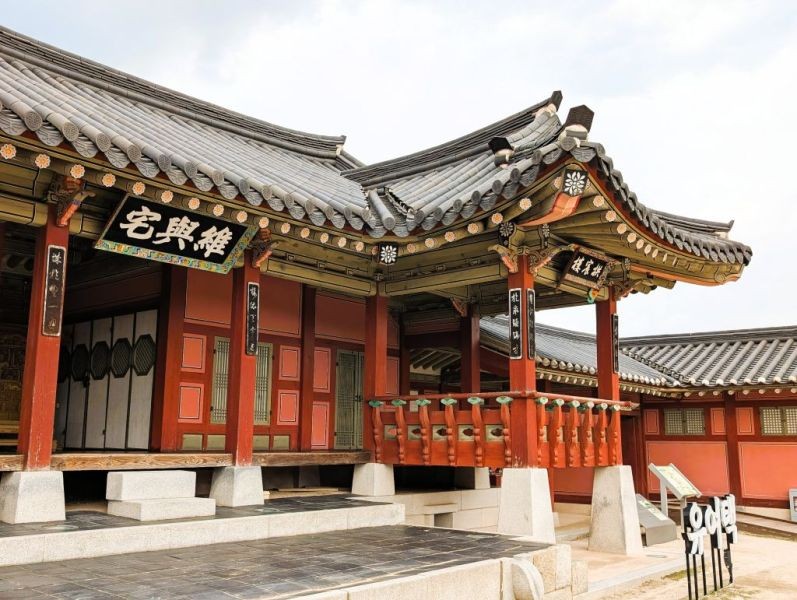
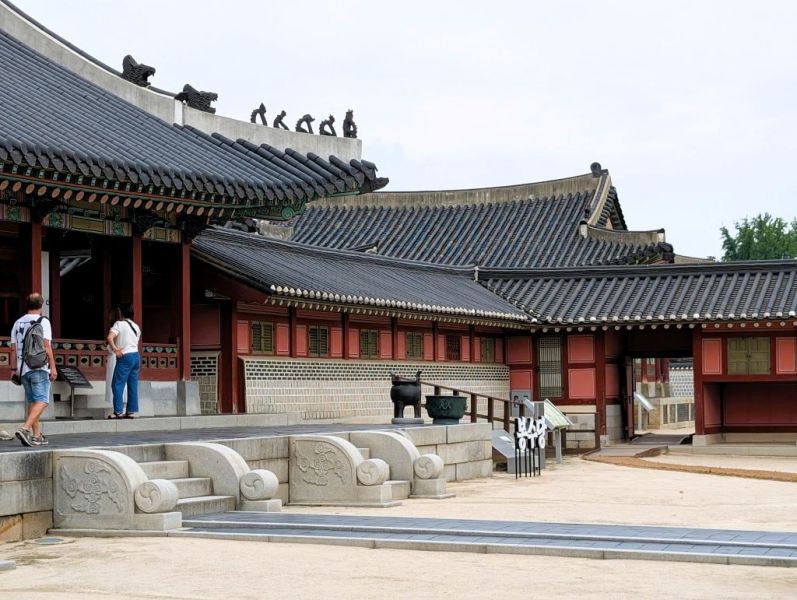
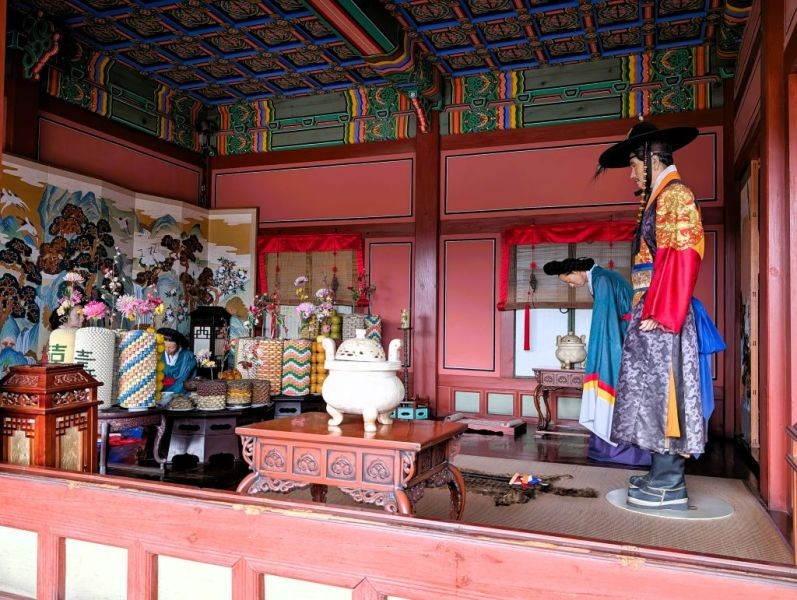
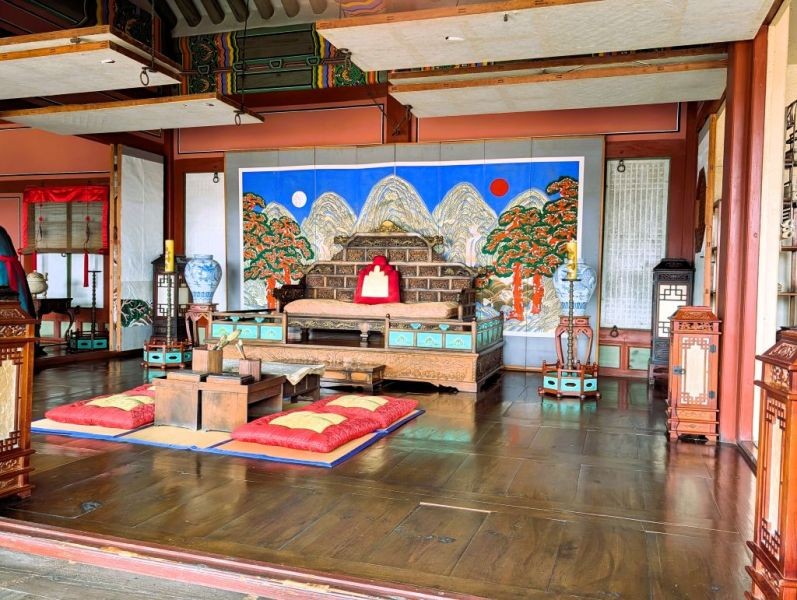
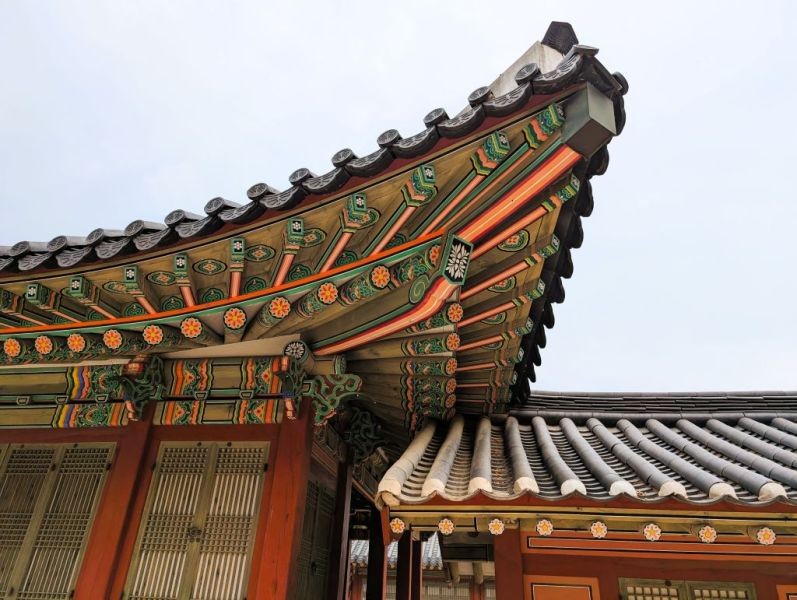
From the cultural center, we continued on foot through the Haenggung-dong neighborhood, known for its cafés, shops, and lively atmosphere. Our walk eventually brought us to Hwaseong Haenggung Palace, a former royal residence. While I enjoyed exploring the fortress walls, I have to admit that the palace itself was a bit of a disappointment. Much of it has been reconstructed, and the buildings looked almost brand new, with fresh timber and no landscaping. Although the architecture reflected the original style, there wasn't much to see beyond the exterior, and most of the buildings weren't open for visitors to explore inside.
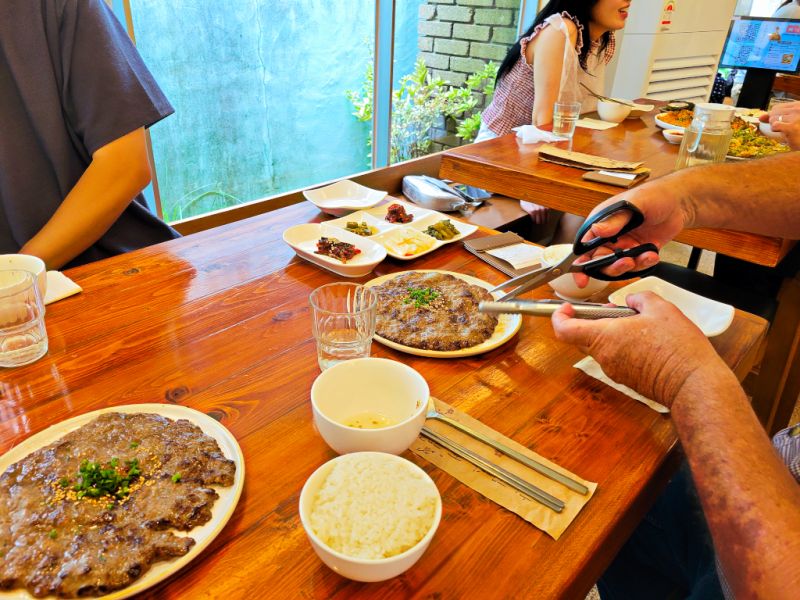
Thankfully, the tour ended on a high note with a traditional Korean lunch featuring authentic Bulgogi, not the pizza version this time. The dish was flavorful and hearty, reminding me somewhat of a spicy, flattened meatloaf served Korean style. After lunch, Han called a taxi and sent us back to the hotel. By then, we were both completely drained from the heat and more than ready to call it a day.
Looking back, I enjoyed the experience and learned a lot about Suwon's history, but I'm not convinced the four-hour tour was worth the $105 we paid for two people. If there's one thing I've learned so far on this trip, it's that the summer heat in Asia can be every bit as challenging as the sightseeing itself. With tomorrow's 10-hour DMZ tour ahead of us, I'm a little concerned about spending an entire day outdoors in these temperatures. Still, we'll make it work. After all, that's part of the adventure.
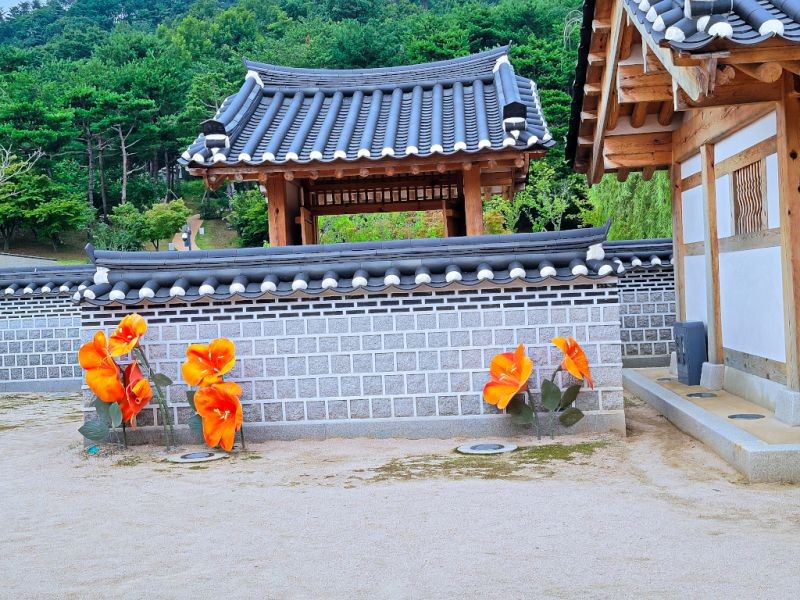
Photos of Hwaseong Haenggung Palace
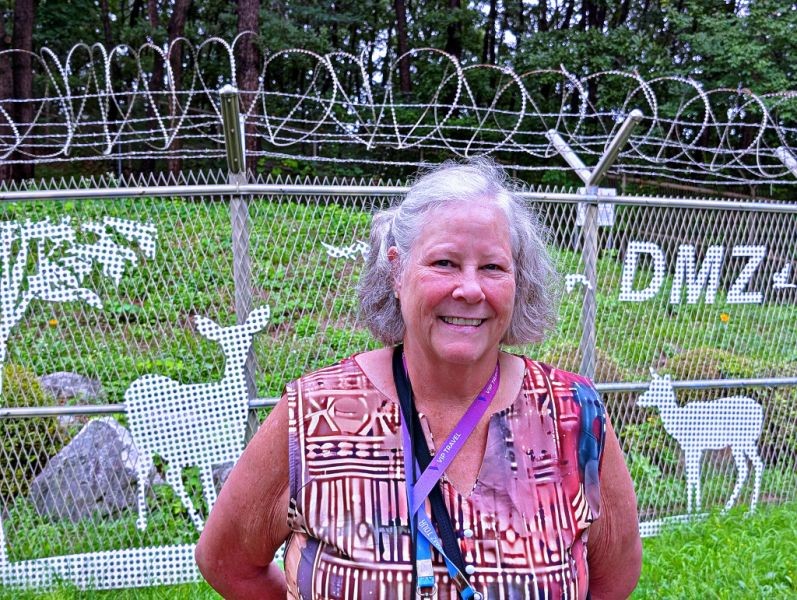
Saturday, July 18th, 2026 - Connie and I got up early to take a taxi to Seoul. We didn't know what to expect for traffic, so we made sure we gave ourselves plenty of time. While they don't have Uber ridesharing, they do use the Uber app for taxis. This makes it easy to get a taxi, know what to expect for the price, and let the app charge my credit card. Unfortunately, since we were in a hotel an hour from Seoul, the taxi ride came to around $45 USD. We found the correct pickup spot and enjoyed a quick breakfast before our tour bus arrived.
It was a large tour bus with about 40 tourists for the day. We made the hour drive north to the Demilitarization Zone. The day started out raining, but it wasn't hot. During our drive north, our guide gave us a good historical timeline of what happened in this part of the country. I hadn't realized Korea was under Japan's rule from 1905 until 1945. It was after World War II that Korea was liberated from Japan and separated into North and South governments.
Our first stop on the tour was at Pyeonghoa-Nuri Park, a space established for the Korean War refugees. There were plenty of memorials there and we stood on the Bridge of Freedom, used by 12,773 prisoners of war to cross the Imjin River and return home to South Korea in 1953. Next, we headed to experience a one-of-a-kind meeting with a real North Korean defector who shared her remarkable journey in person. She was the granddaughter of a Korean POW and treated as a very low-class citizen of North Korea for 21 years. She was forced to work in the coal mines until she escaped North Korea in 2011 - 2012 to be reunited with her mother, who had already defected to South Korea.
Photos of the DMZ (photo taking was restricted)

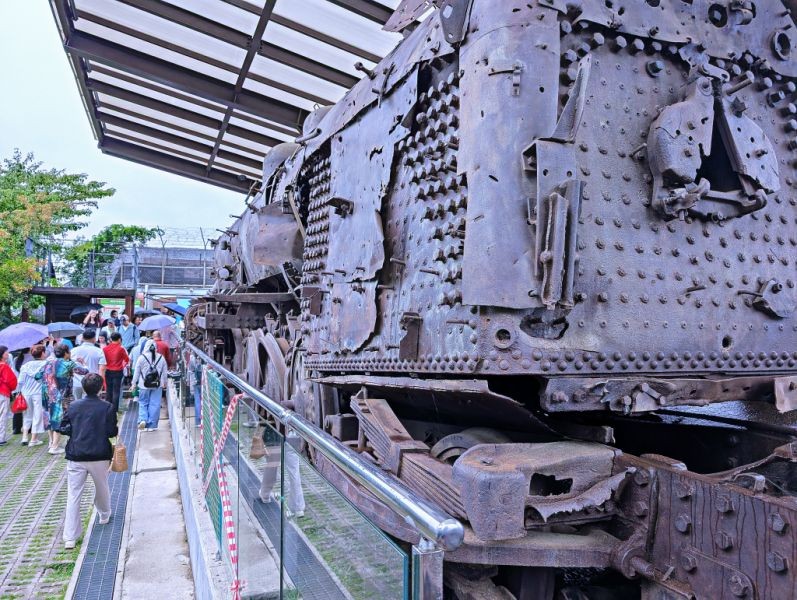
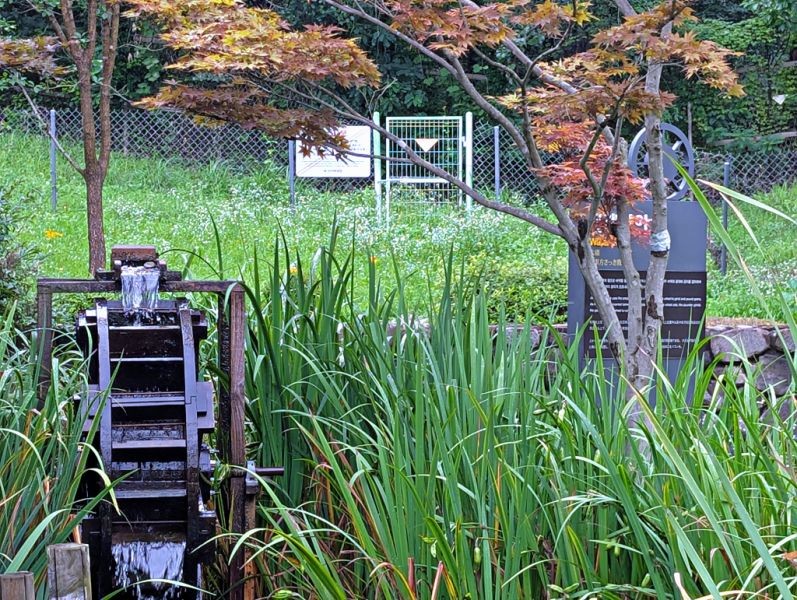
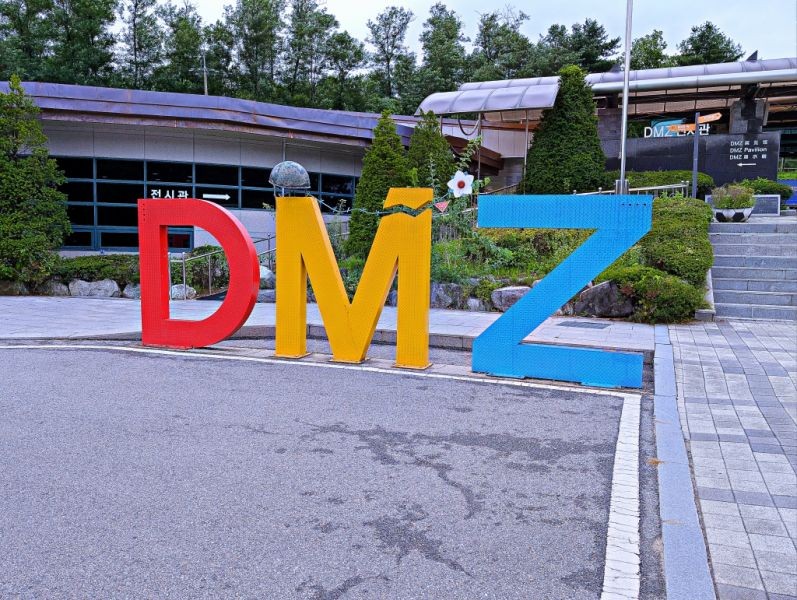
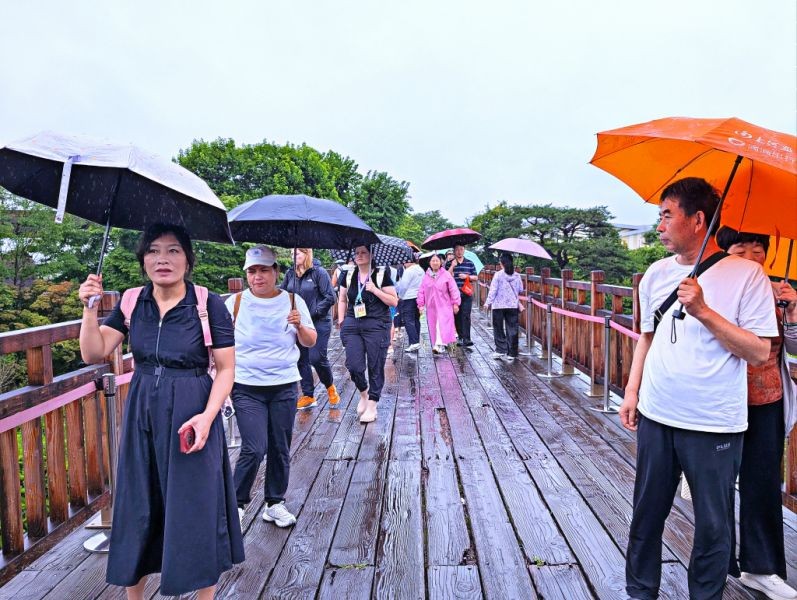
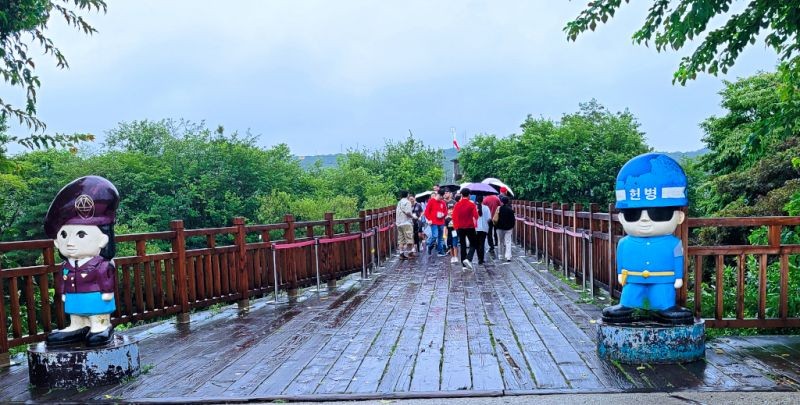
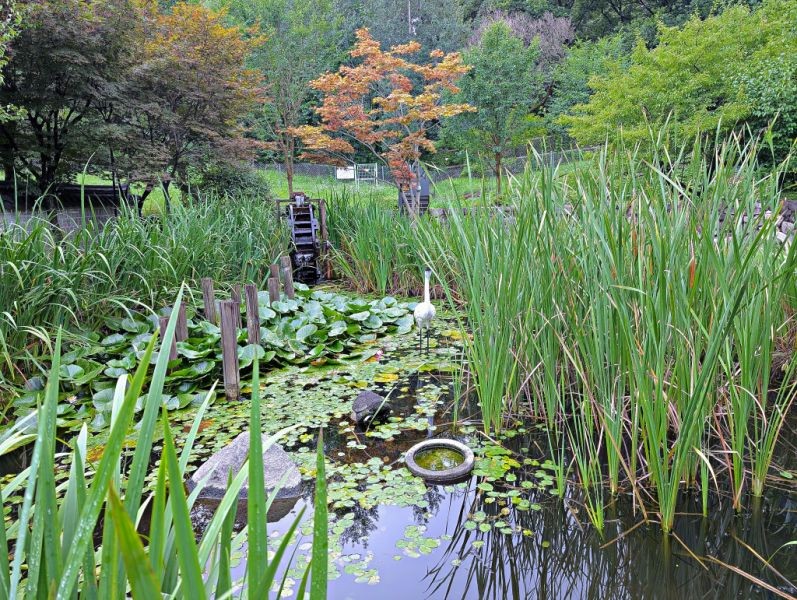
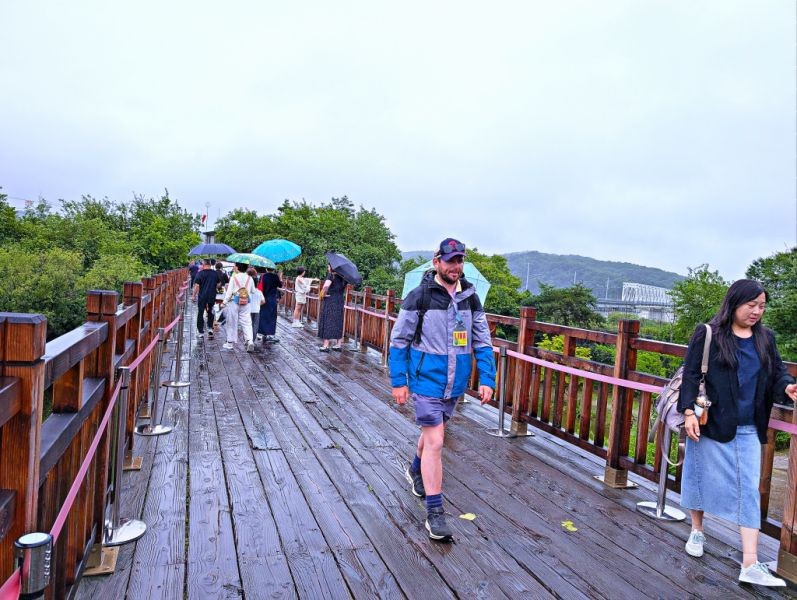
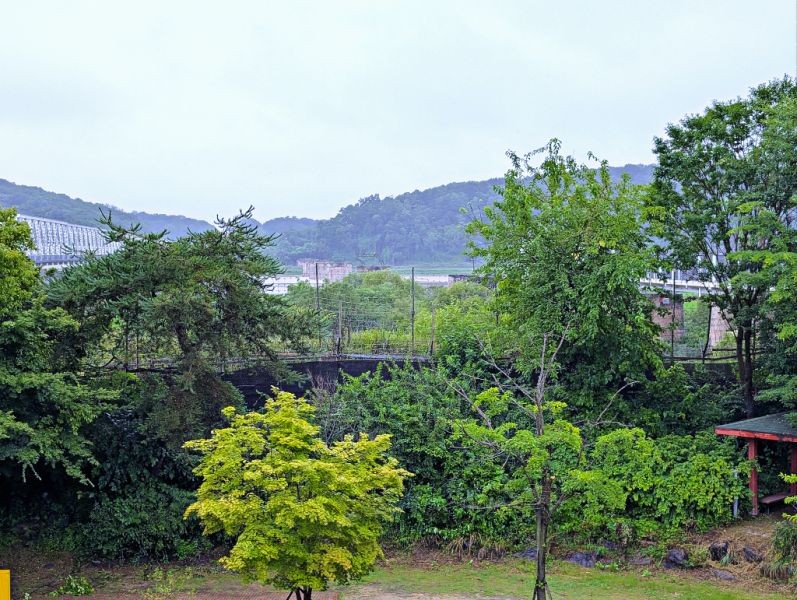
We then got a good look at North Korea from Dora Observatory using high-powered binoculars. The informational movie explained what we could see from this observation point. Next on the tour was a visit to the 3rd Infiltration Tunnel dug by North Korea. Located only 52 kilometers from Seoul, the tunnel was discovered in 1978. At 1,635 meters long, 2 meters high, and 2 meters wide, the tunnel can move an entire Division per hour! There are 4 known known tunnels, but many more are suspected. While we were allowed to go down into the tunnel, Connie and I elected not to go down. The rail system to take tourists down wasn't operational, so people had to walk down a very steep incline bent over, as the tunnel was only about 5' high. Our old bones didn't feel like making the attempt.
Our next stop for the day was at the Joint Security Area Exhibition, which provided an in-depth introduction to the history of the Korean Demilitarized Zone (DMZ). Our final stop was at the Majang Lake Suspension Bridge, which has nothing to do with the DMZ. It's just a scenic view from this high suspension bridge. Again, Connie and I elected no to climb the mountain. People said it was a pretty view, but...
After the hour-long drive back to Seoul, we hopped into another taxi for the journey to our hotel in Suwon, adding yet another hour of travel to an already busy day. By the time we arrived, we were exhausted—but also very hungry.
For dinner, we returned to the local beer pub and enjoyed another delicious pizza. Having dined there for four nights in a row, we were beginning to feel like regulars. The food was consistently excellent, and the ladies serving us were always warm, friendly, and welcoming, making each visit a pleasure.
Beijing, China
Sunday, July 19th, 2026 - After four memorable days in South Korea, it was time to move on to the highlight of our adventure—China. We once again caught an early-morning taxi, this time bound for Incheon International Airport. Check-in and boarding our Asiana Airlines flight went smoothly, and before long we were on our way.
Although the flight to Beijing was only about two hours, we were pleasantly surprised to be served a hot meal on board. The journey was comfortable, enjoyable, and over before we knew it.
Arriving in Beijing, we found the immigration and customs process to be straightforward and efficient. We were travelling under China's 240-hour visa-free transit policy, which allows eligible travelers to stay in China for up to 240 hours before continuing to a third country. In our case, we entered from South Korea, will spend 11 days exploring China, and would later depart for Japan. This arrangement fit perfectly with the itinerary we had planned.
For our time in China, we had booked a private tour package that offered excellent value and took much of the planning off our hands. The tour included hotels, transportation, a driver, an English-speaking guide, and admission to several attractions throughout our journey.
Once we cleared immigration and customs, we were warmly greeted by Lily, our tour guide. We were then introduced to Susan, our driver for the next four days. Together they escorted us to our hotel and assisted with the check-in process. Everything went smoothly, and our Chinese adventure was off to a great start.
With the evening free, we took the opportunity to unwind and explore the local area on our own. My first mission was to get some Chinese Yuan (CNY), but that proved more challenging than expected, whether it was the ATM or my inability to understand it, I wasn't sure which!
In China, most people pay for just about everything using an app called Alipay, which links directly to a credit card. Traditional credit card payments are surprisingly uncommon. Although I had already set up the app before the trip, I was still a little nervous about relying on it for the first time.
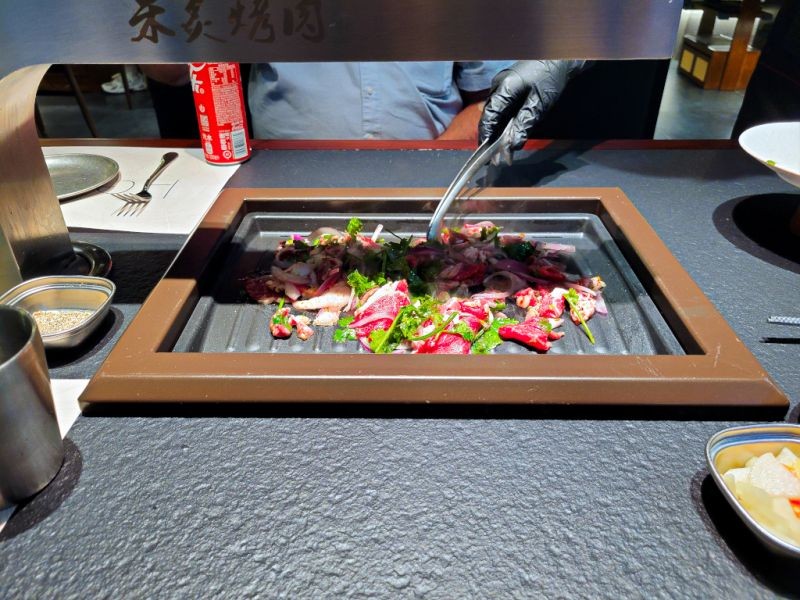
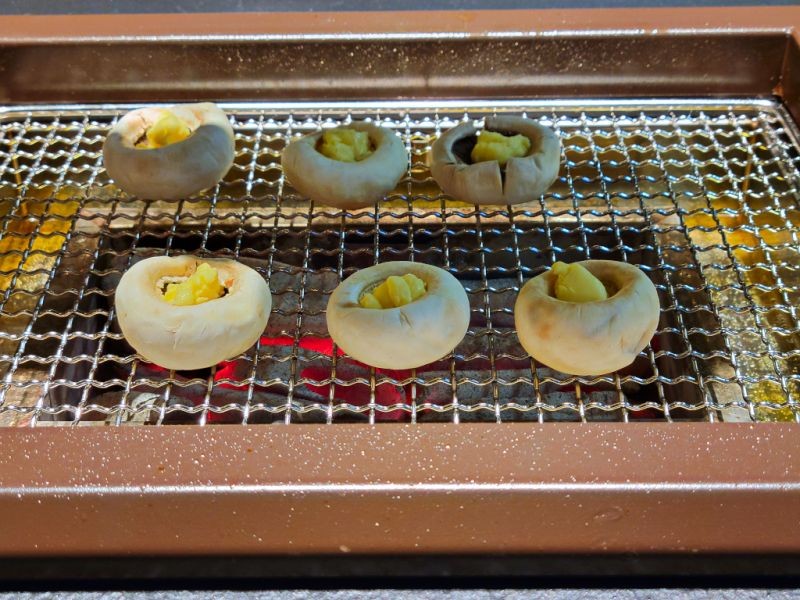
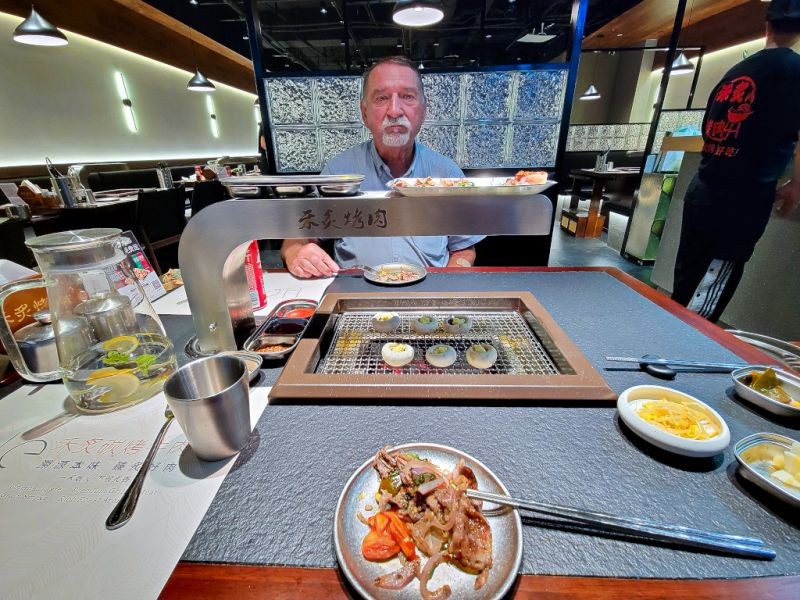
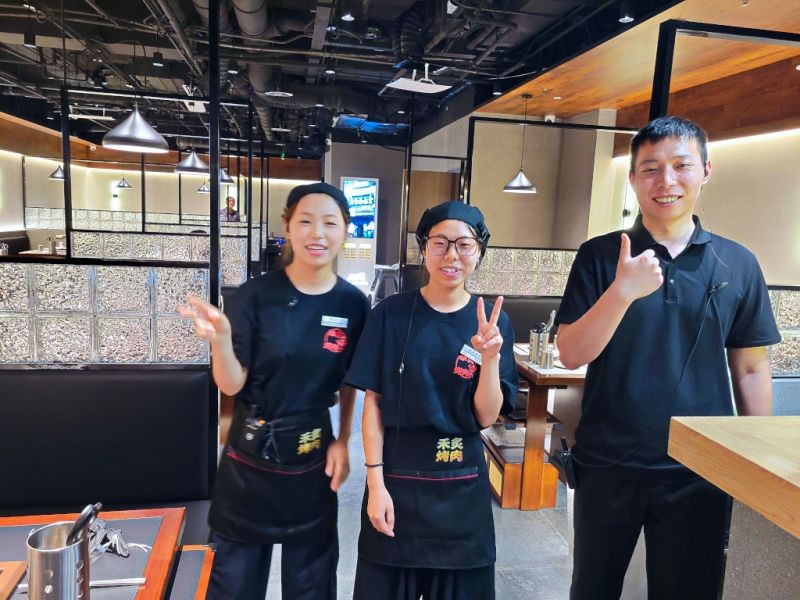
Hungry and still cashless, we set off in search of dinner and soon stumbled upon an inviting Chinese grilled meat restaurant. Walking in was easy; figuring out the menu was another story. Thankfully, the waitress was incredibly patient, and Google Translate quickly became our best friend. We followed her recommendation and watched as she expertly prepared and grilled the meat right at our table. Every dish was delicious.
I had a few hiccups getting Alipay to cooperate, but after some trial and error, everything finally worked. The restaurant staff were absolutely wonderful and seemed genuinely delighted to have a couple of foreign travelers dining with them. Their warmth and hospitality turned a simple dinner into one of the most memorable experiences of the evening.
To be honest, I struggled to keep up with some of the details. Between the unfamiliar historical figures, the many dynasties, and the occasional language barrier, I probably understood about 75 percent of what she was saying. Even so, Lily's English was very good, and her enthusiasm made the stories engaging. She also explained the different social classes and communities that have shaped life in and around Beijing over the centuries.
Whether we fully understood every historical detail or not, we thoroughly enjoyed the journey. The drive offered a chance to see more of the city, take in the scenery, and learn about the culture from a local perspective as we made our way toward the Great Wall.
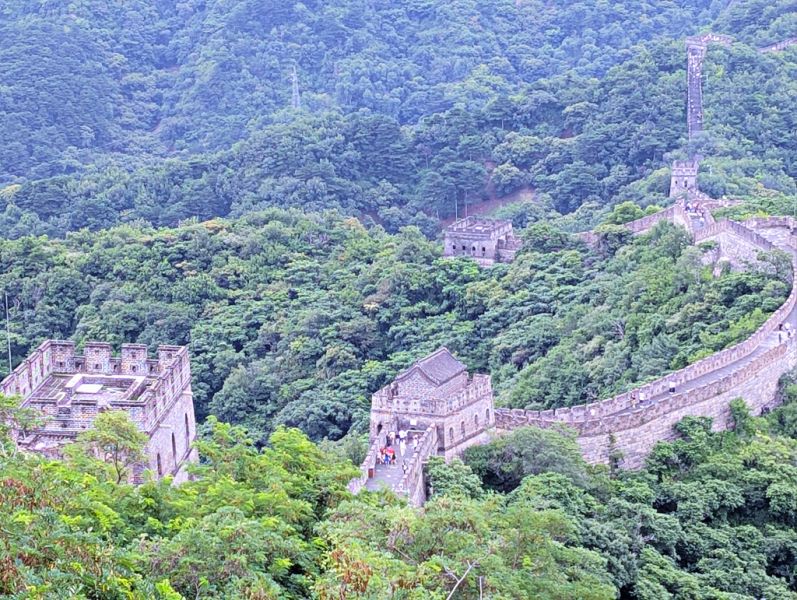
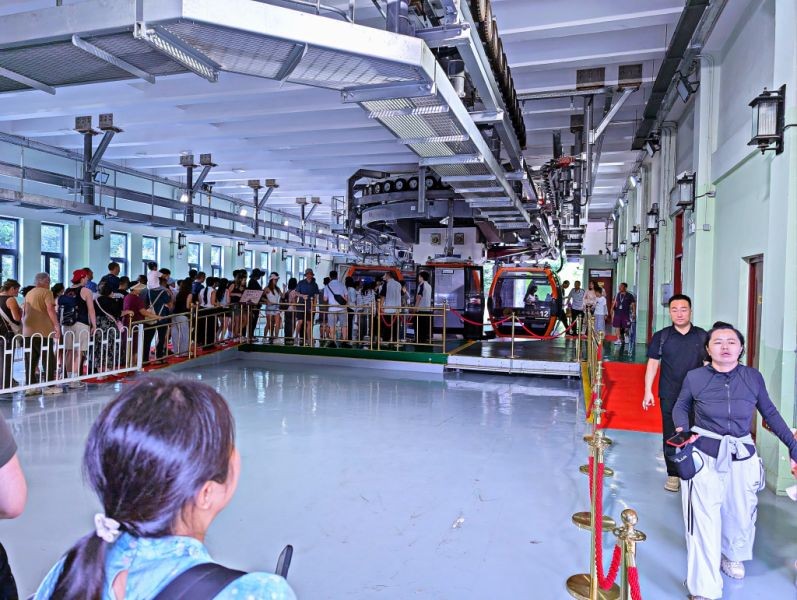
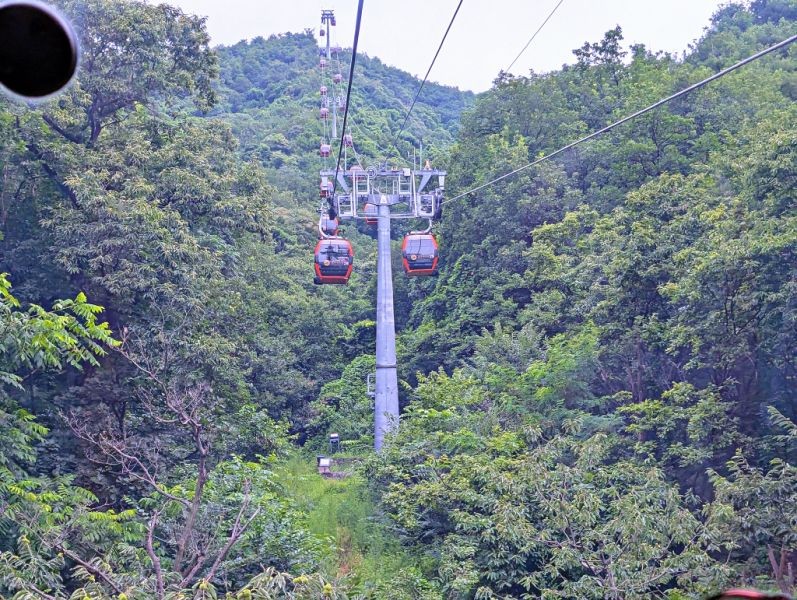
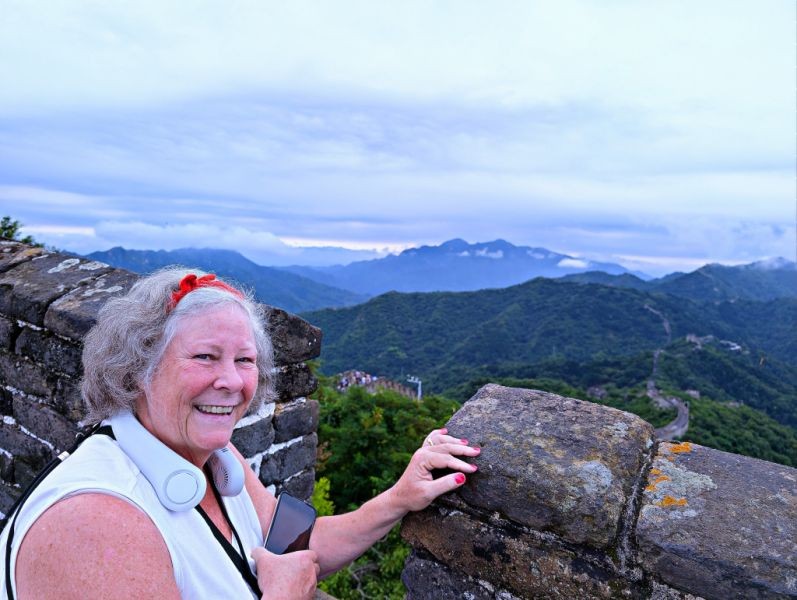
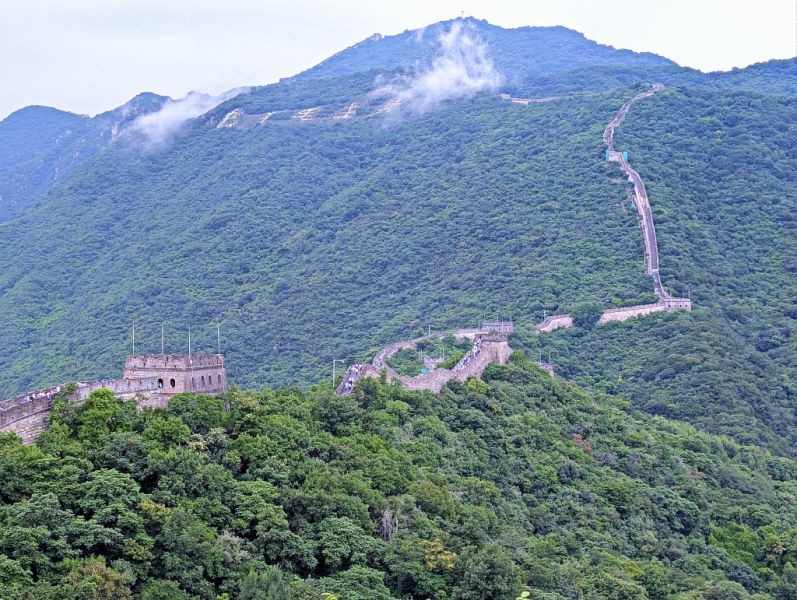
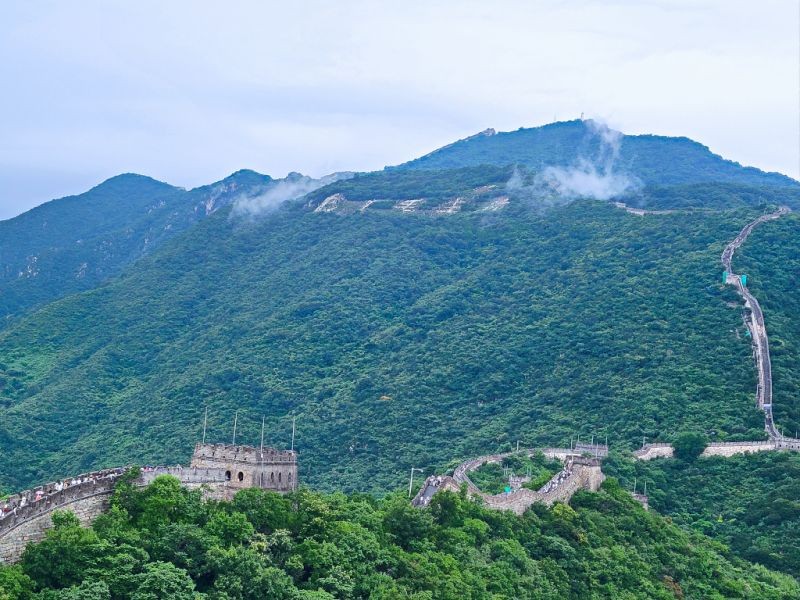
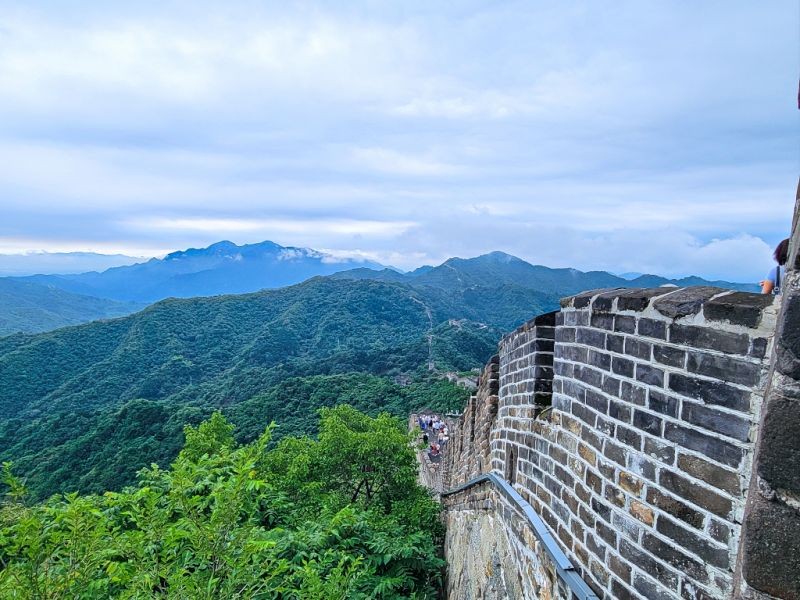
At the Mutianyu Great Wall, we were fortunate to enjoy some VIP treatment, although there was still a steep uphill climb to reach the gondolas that would carry us up to the wall itself. As we made our way there, Lily explained that we had arrived in China during one of the busiest travel periods of the year, the start of the summer holiday season. She warned us that the major attractions would be packed with visitors, and she was absolutely right.
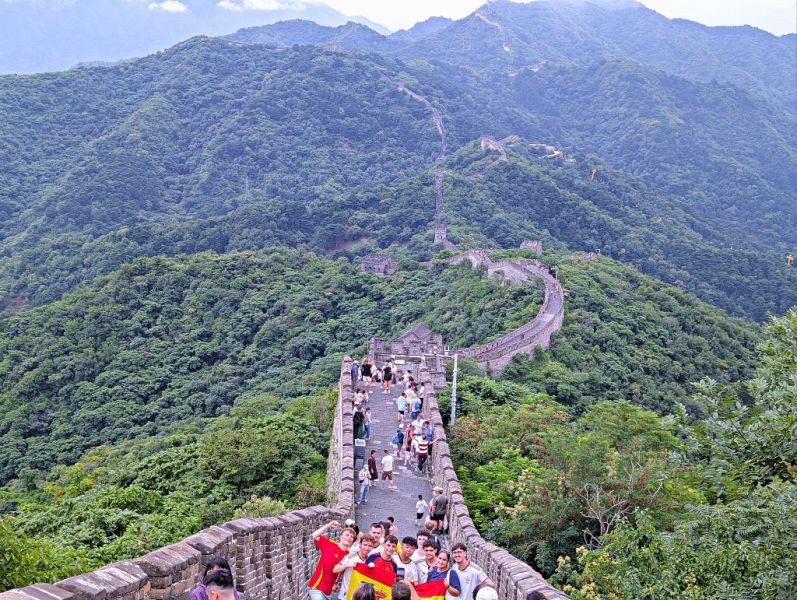
What surprised me most was that the crowds were made up primarily of Chinese tourists from other parts of the country rather than international visitors. Everywhere we looked, people were excitedly exploring one of China's most famous landmarks.
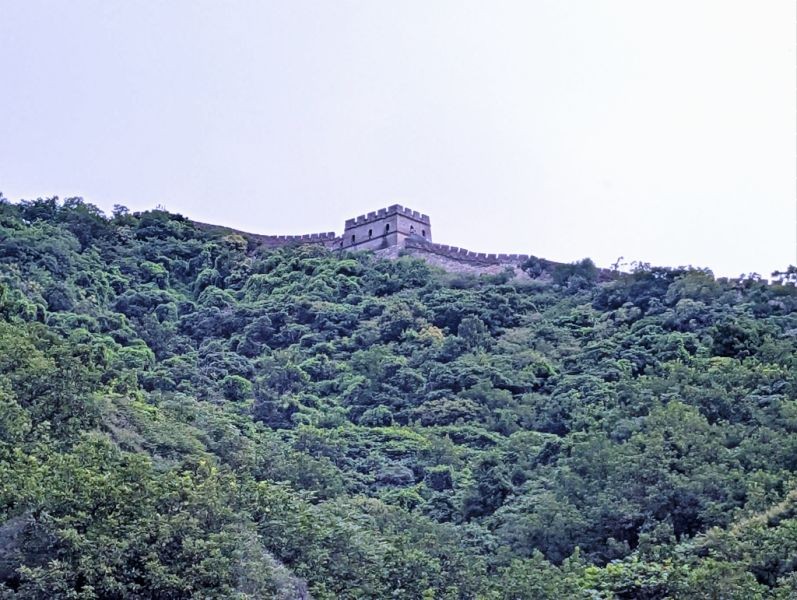
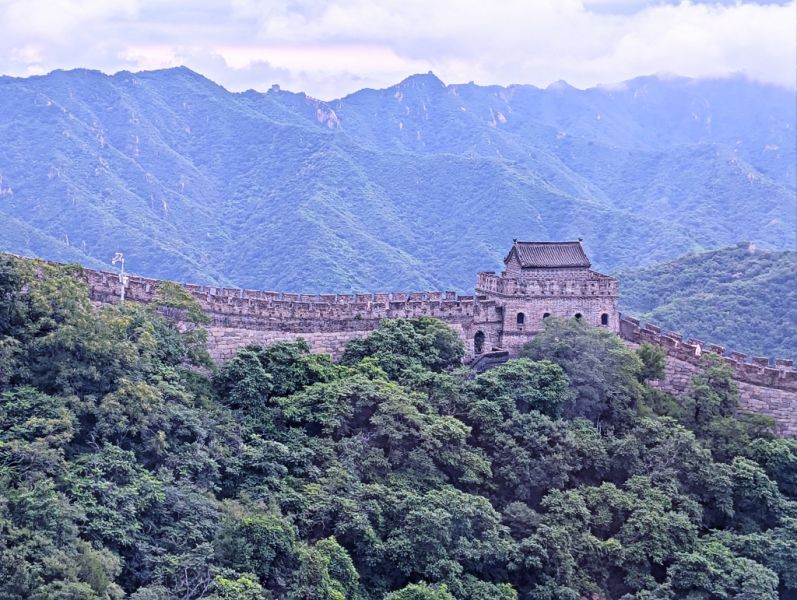
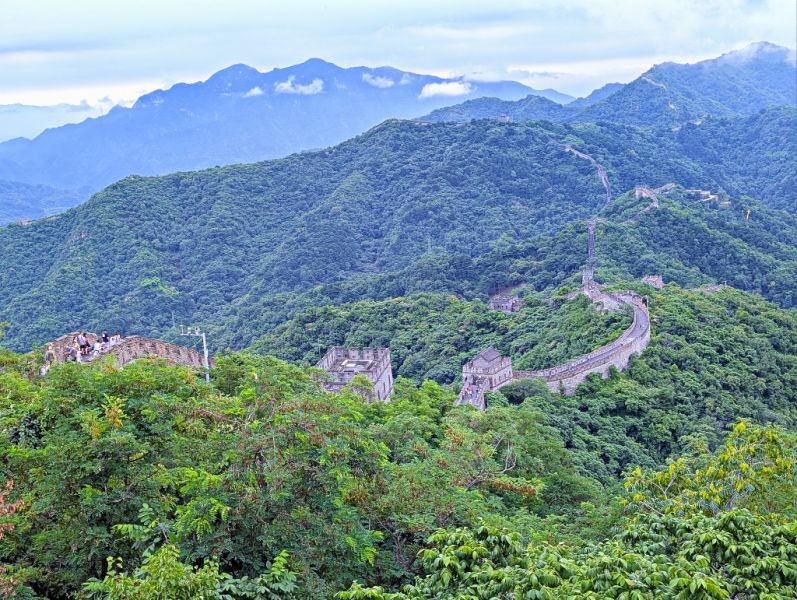
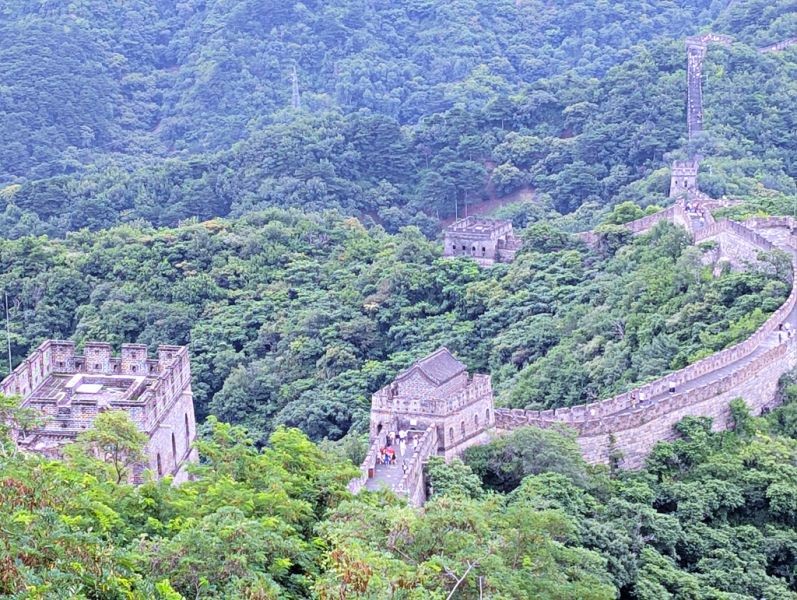
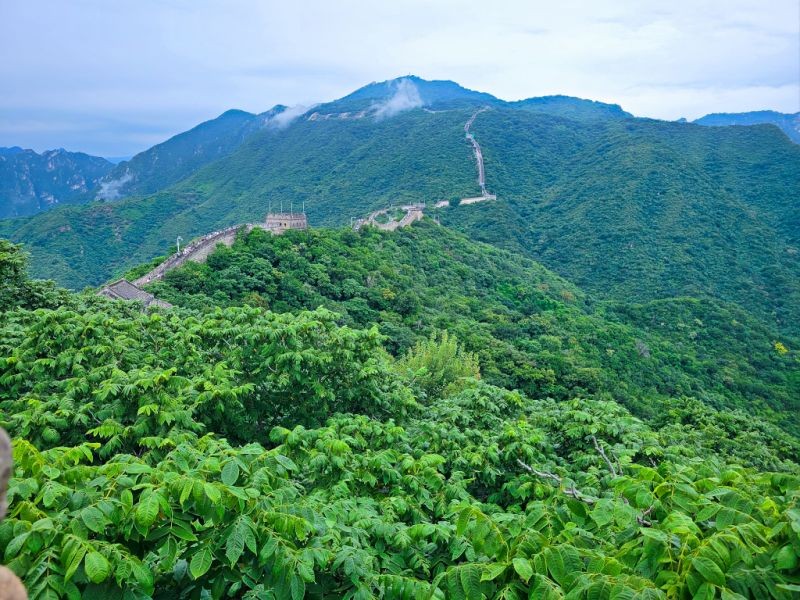
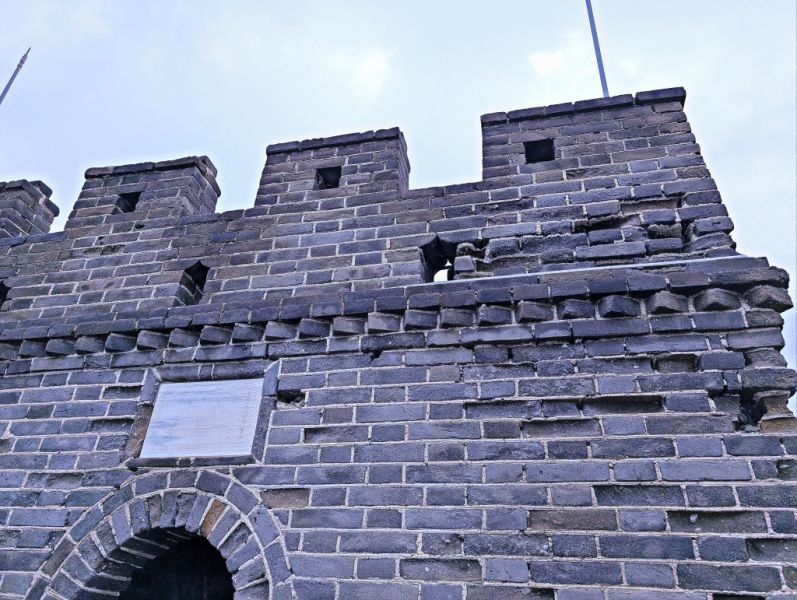
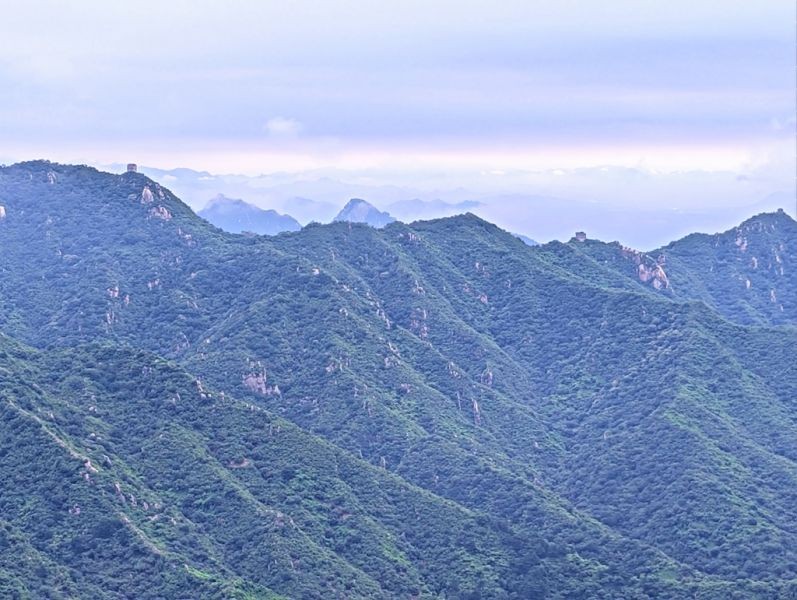
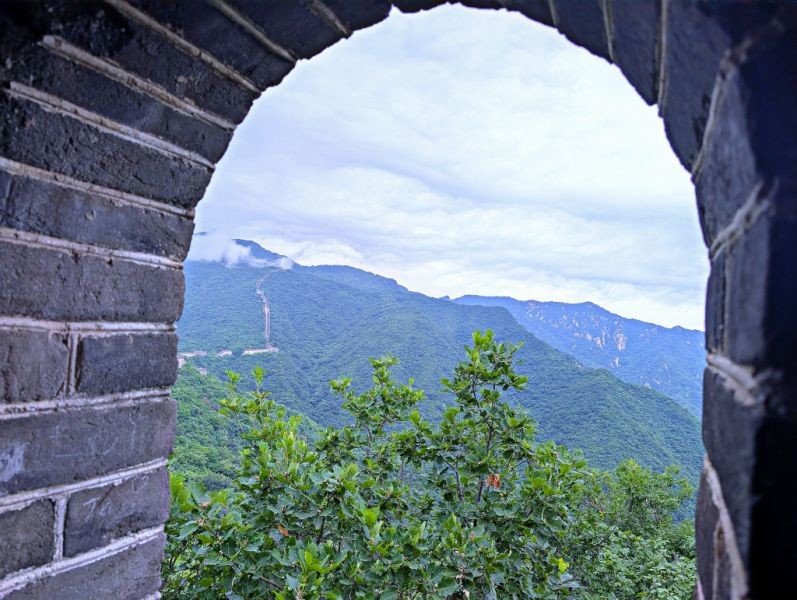
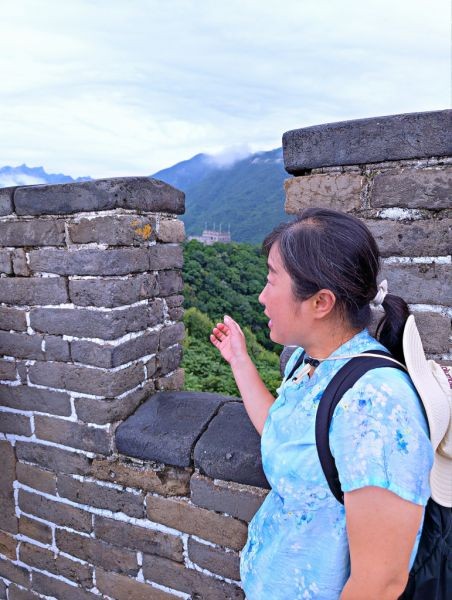
Once we reached the wall, we spent some time walking along its ancient stone pathways while Lily provided fascinating explanations about its history, purpose, and construction. Connie and I aren't quite as adventurous on steep climbs as we once were, so we kept our exploration fairly modest. Even so, we were able to stroll along several sections of the wall, enjoy breathtaking views of the surrounding mountains, and step inside a couple of the watchtowers.
After soaking in the scenery and history, it was time to make our way back down. That meant once again navigating the crowds and enduring the summer heat, but the experience was well worth it. Standing atop one of the world's most iconic landmarks and taking in the incredible views was something neither of us will soon forget.
Photos of the Mutianyu Great Wall of China
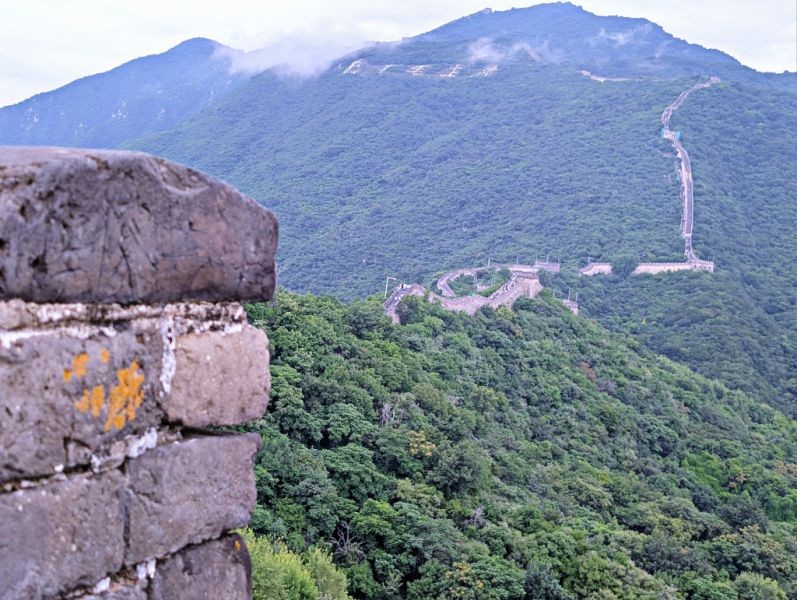
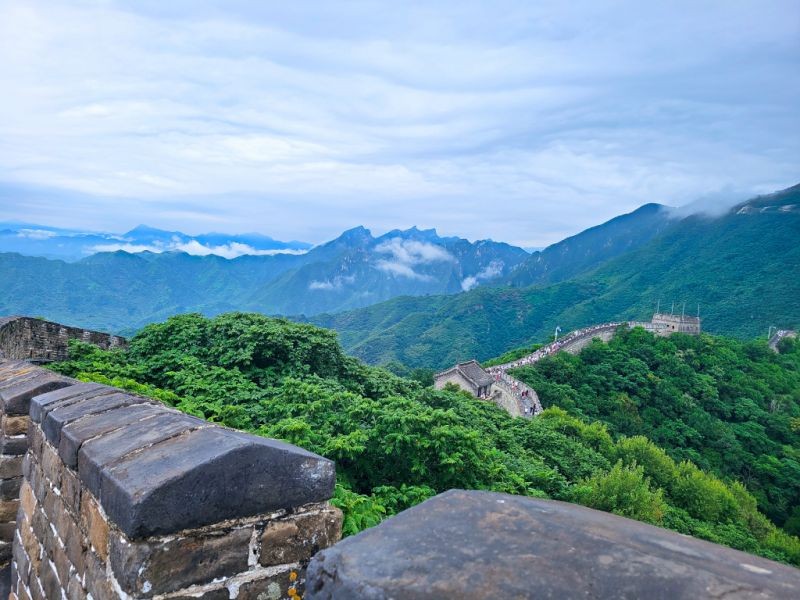
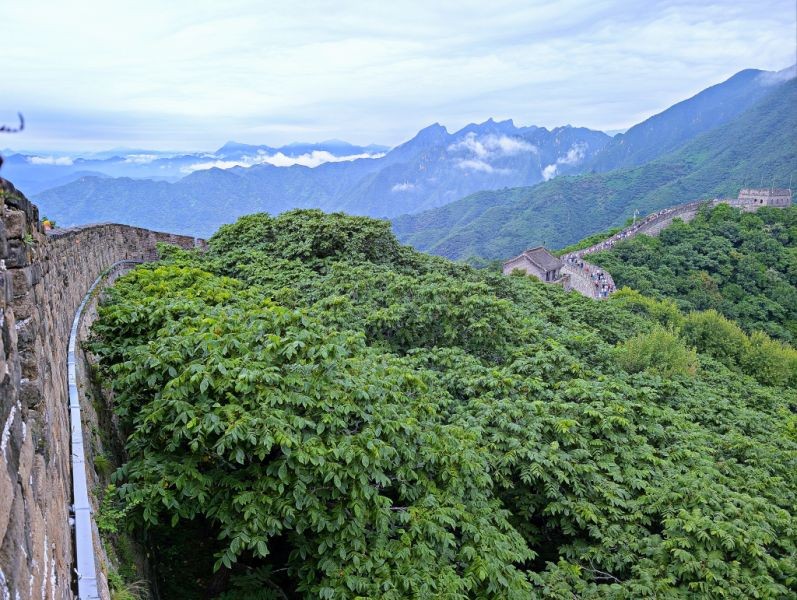
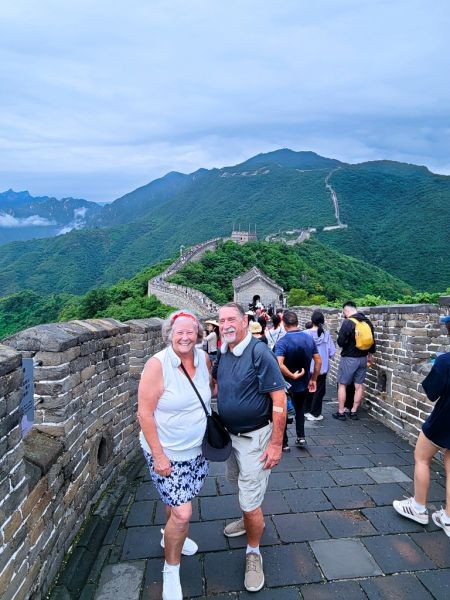
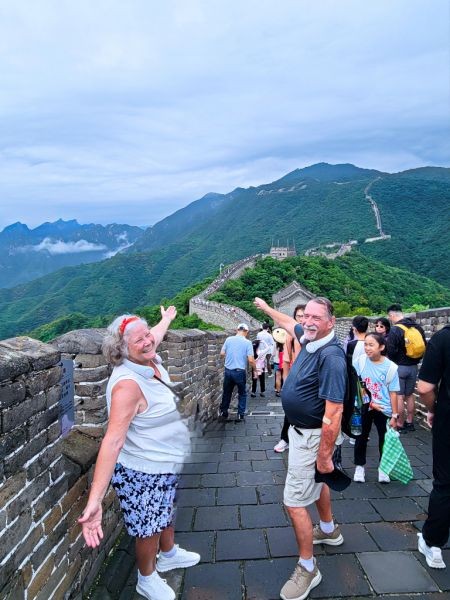
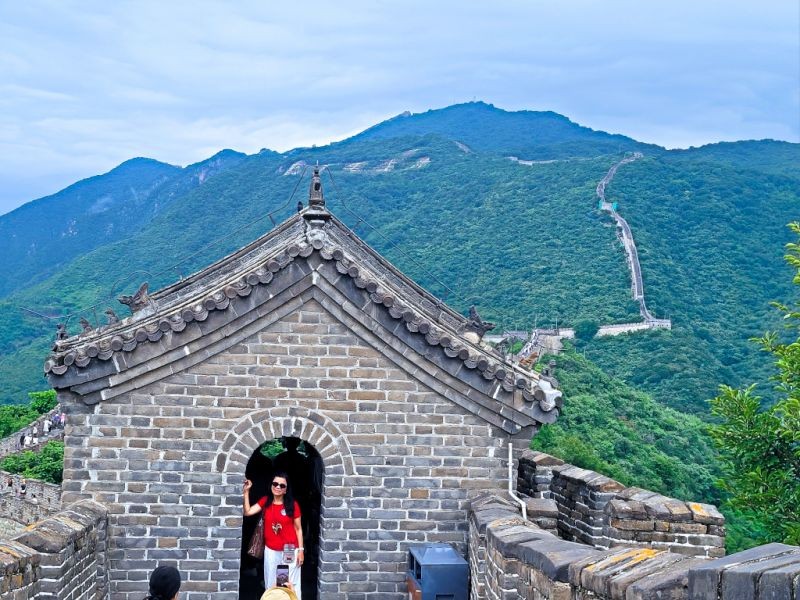
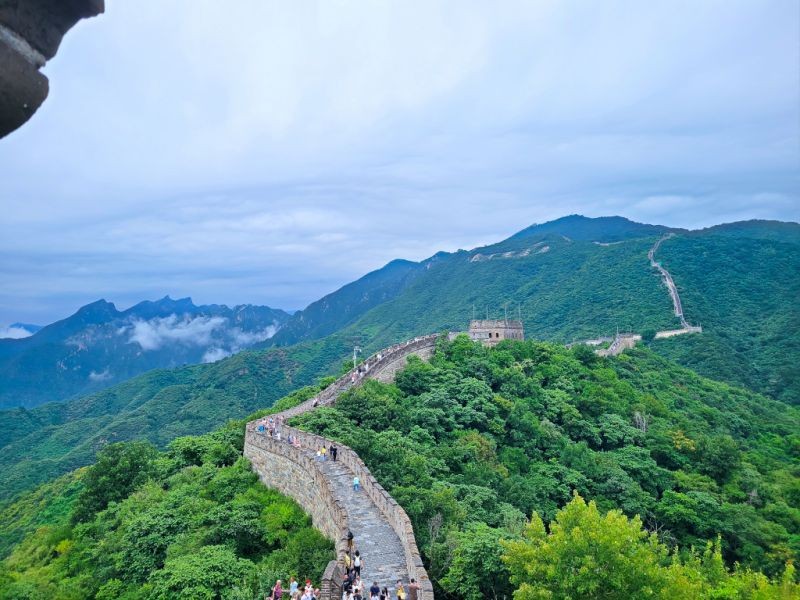
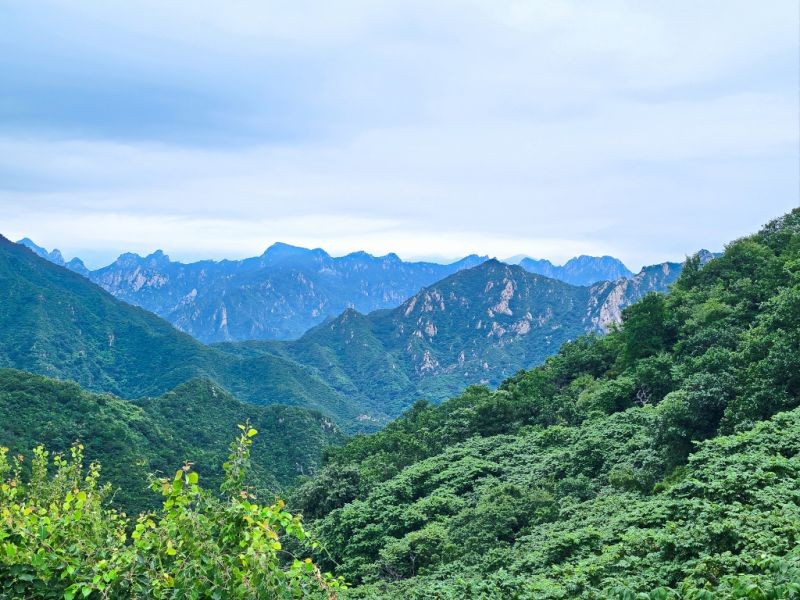
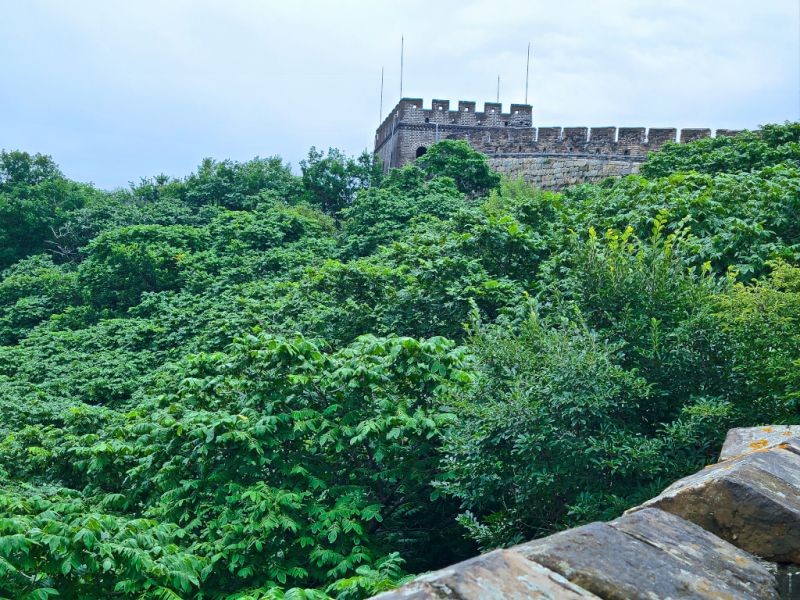
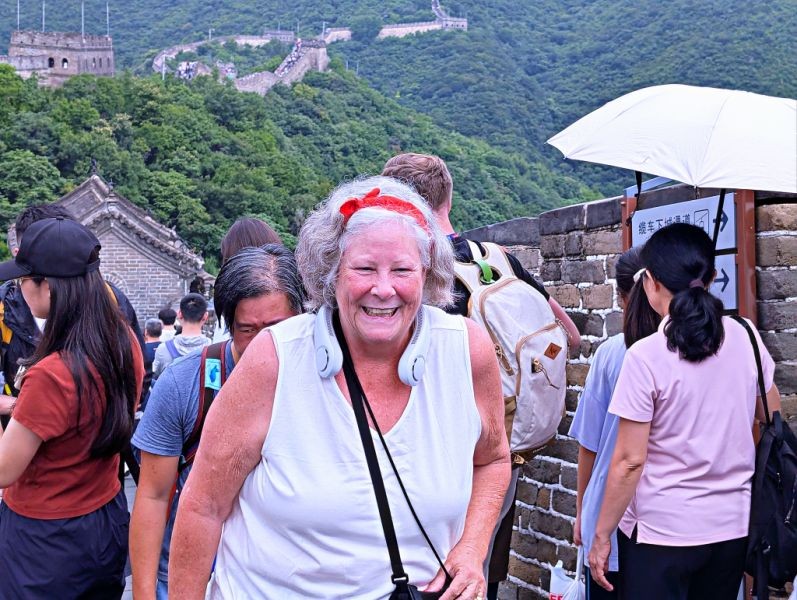
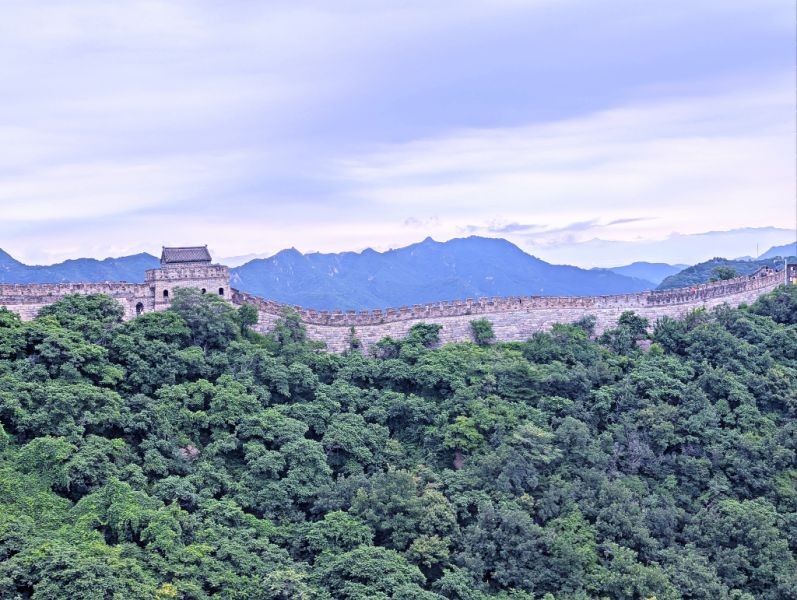
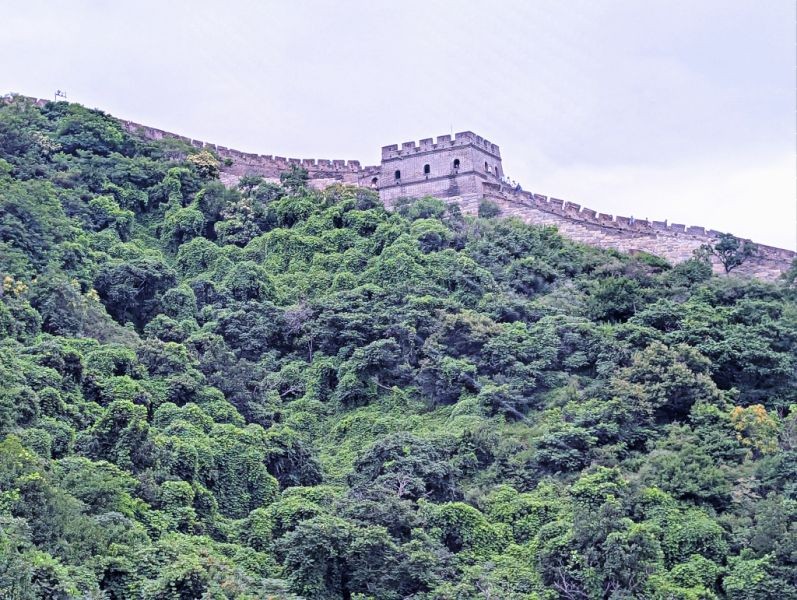
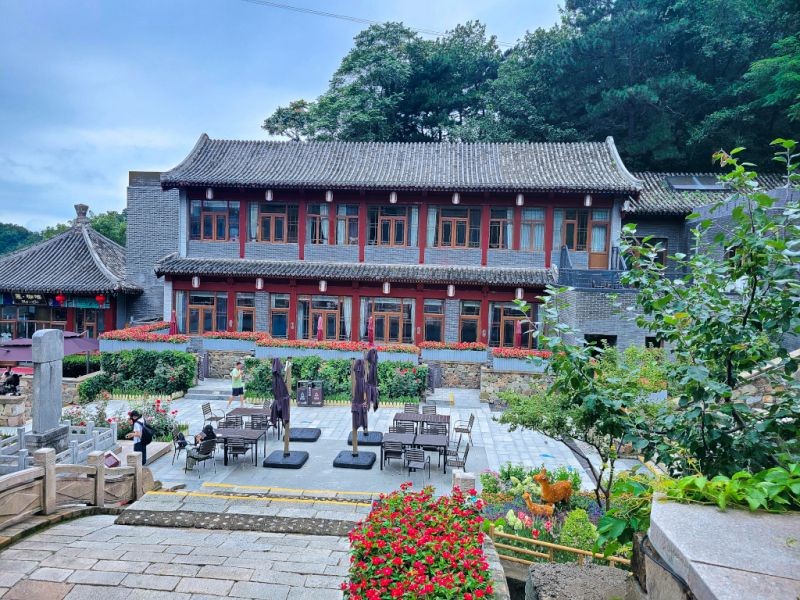
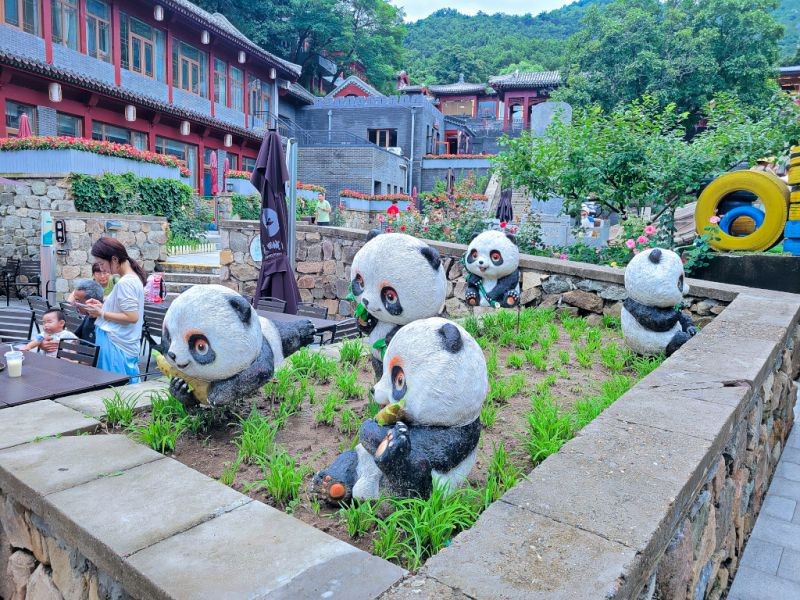
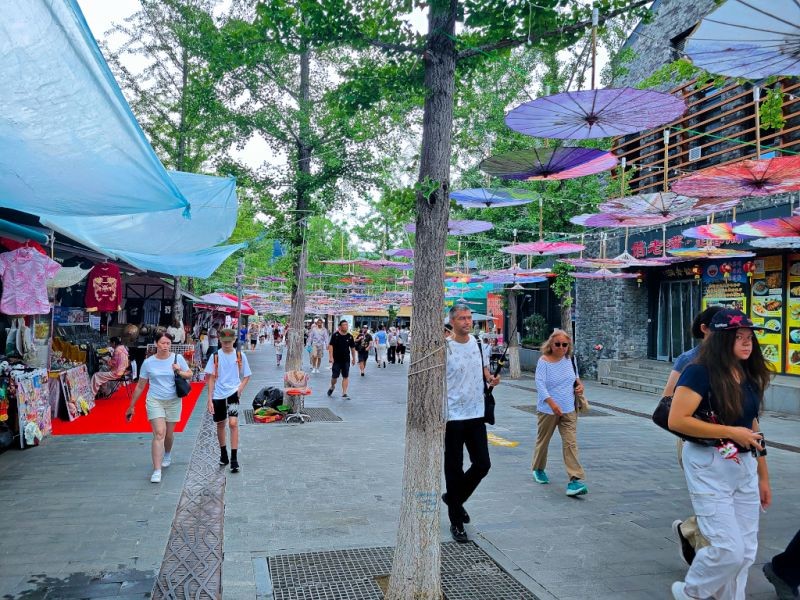
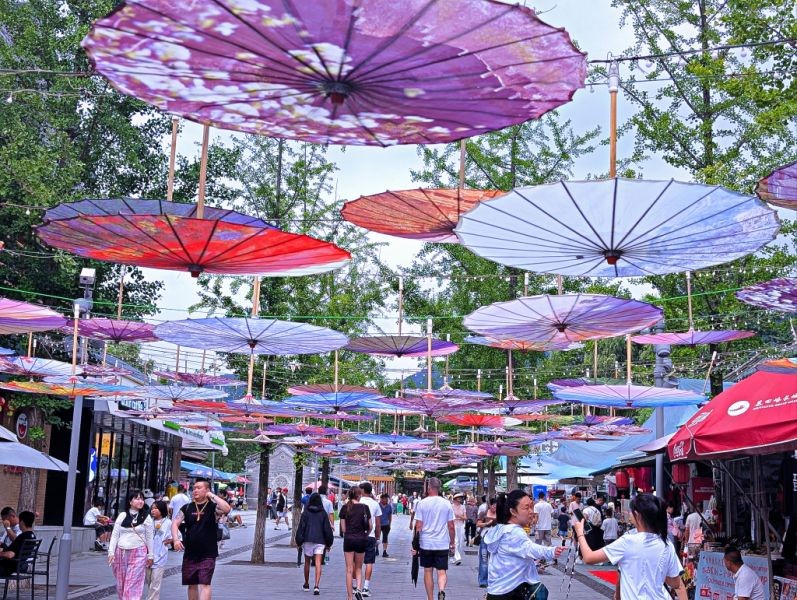
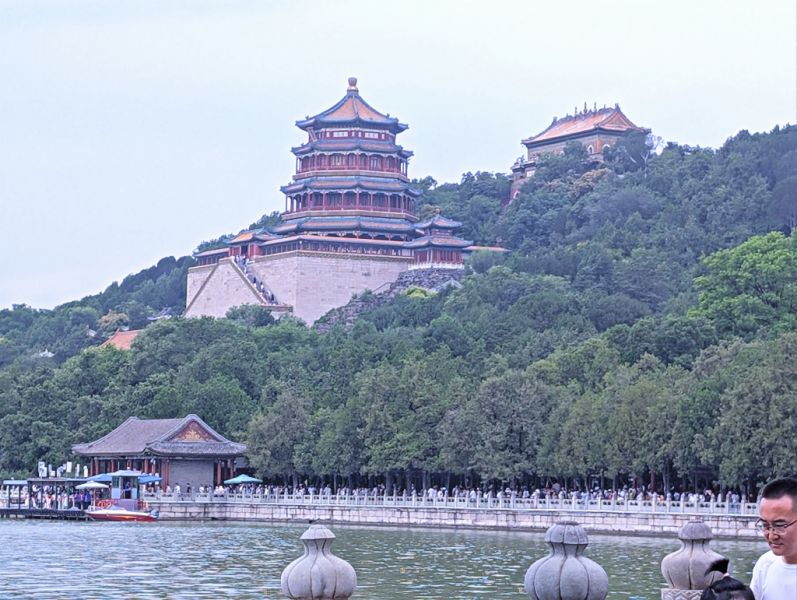
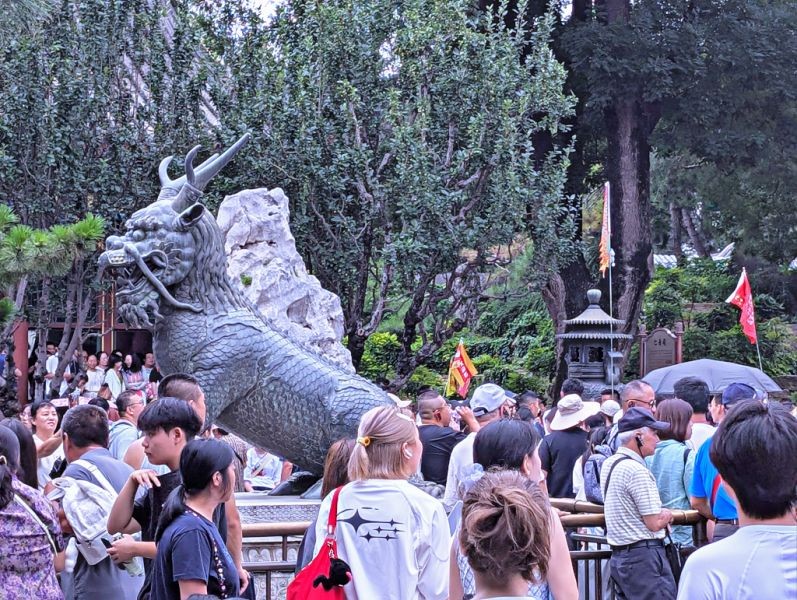
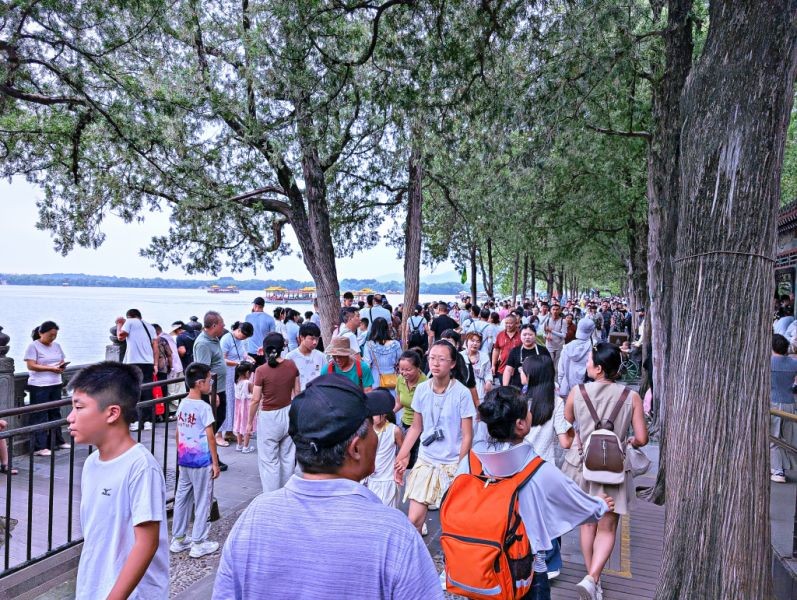
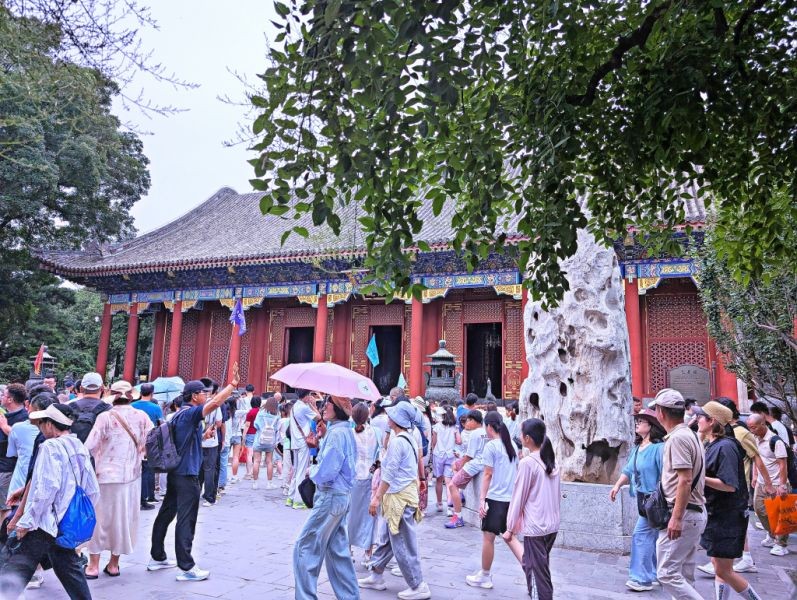
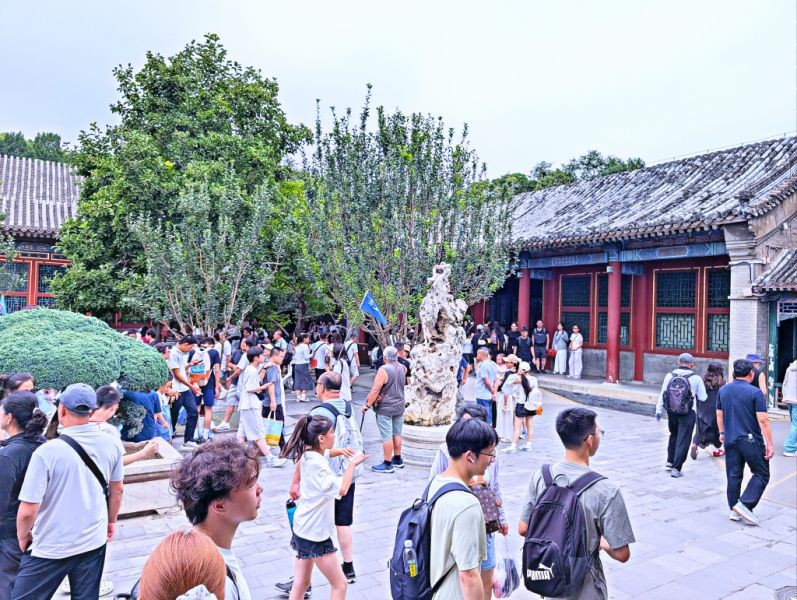
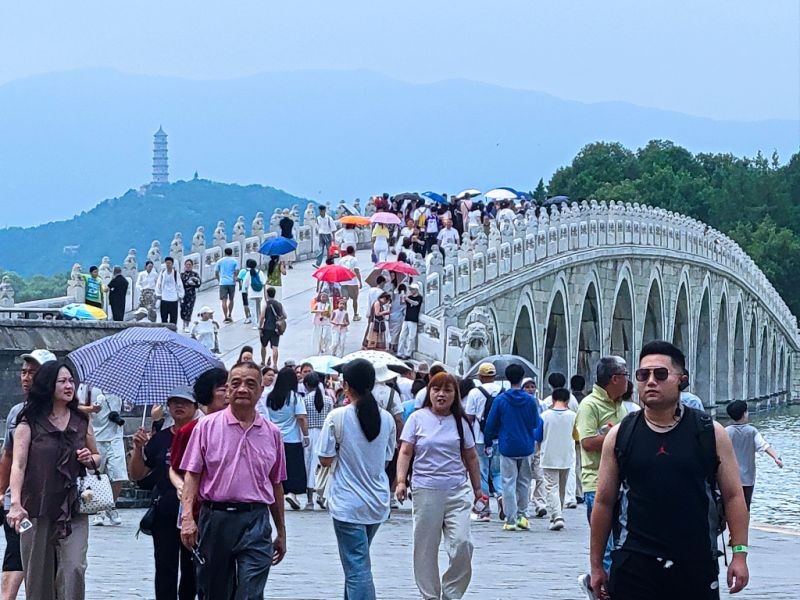
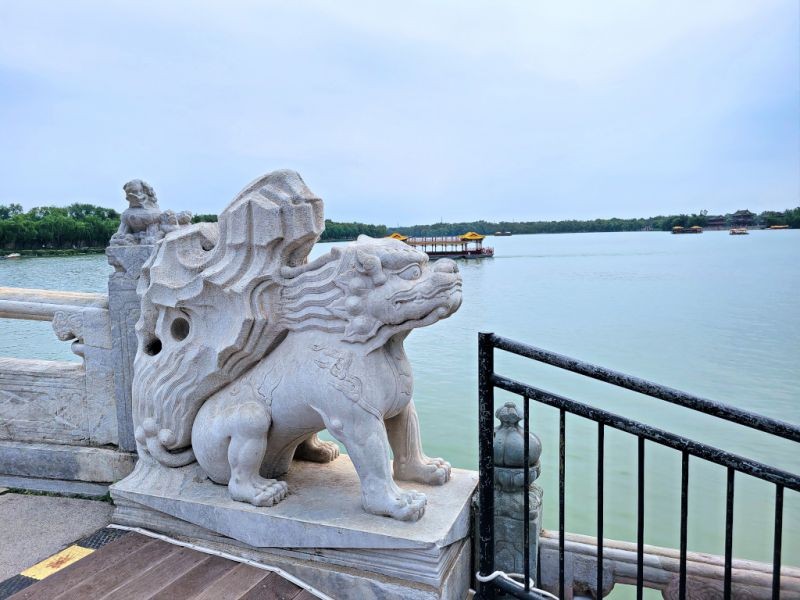
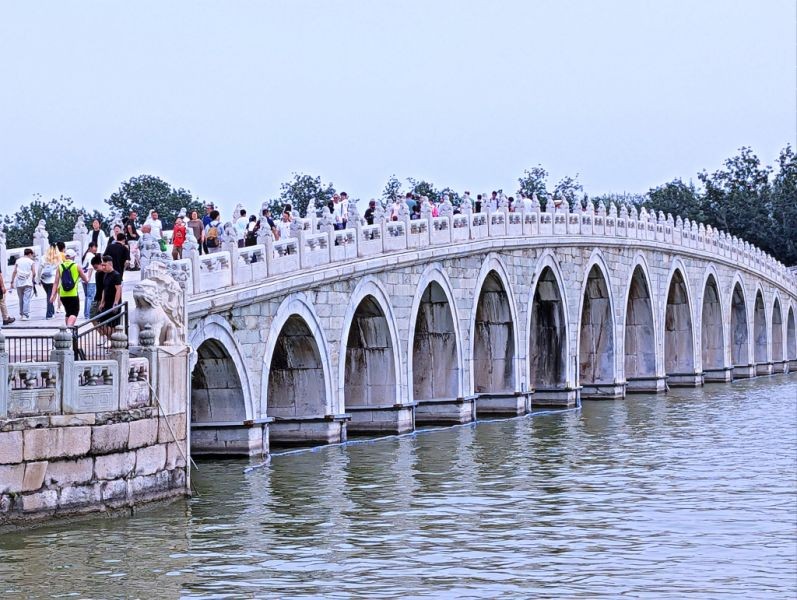
Our next stop was the Summer Palace. As the day wore on, both the heat and the crowds seemed to intensify. The sheer number of people reminded me of waiting in line for a popular ride at Disneyland. Fortunately, we didn't spend hours standing in queues, but it often felt like we were constantly weaving our way through a sea of visitors just to move from one area to another.
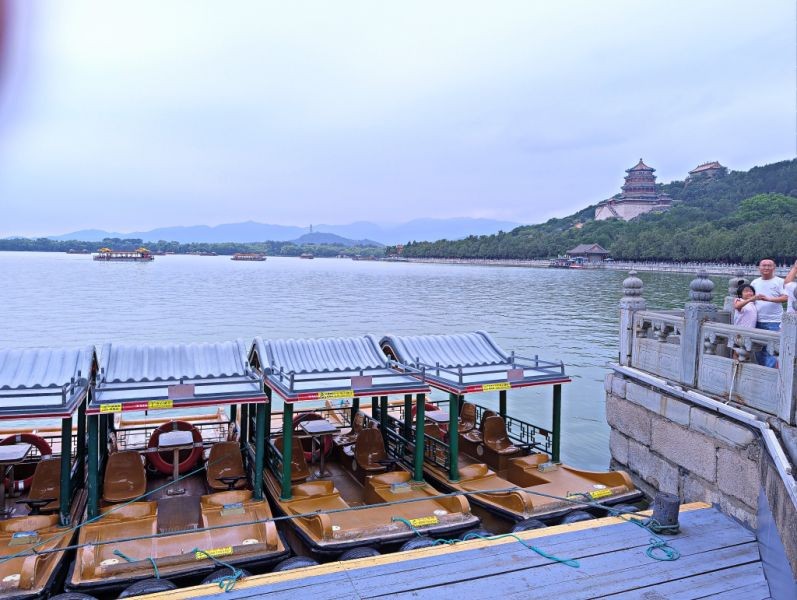
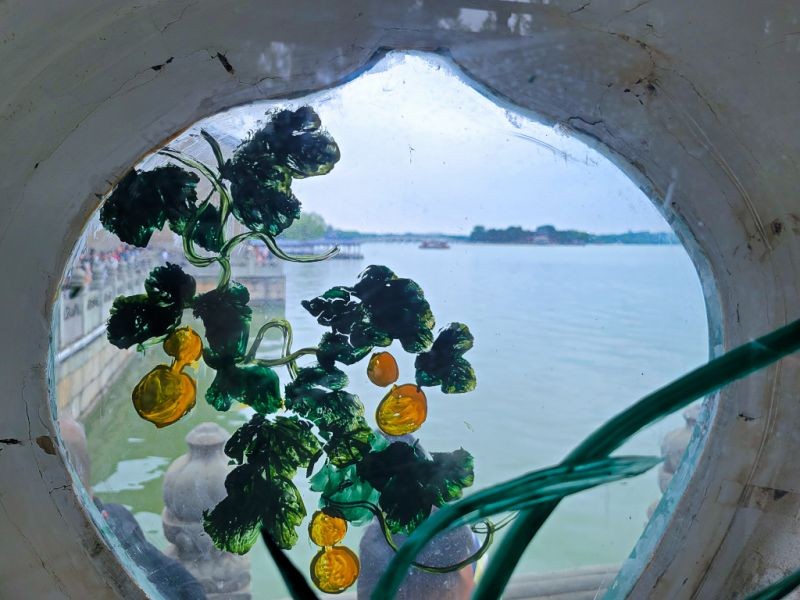
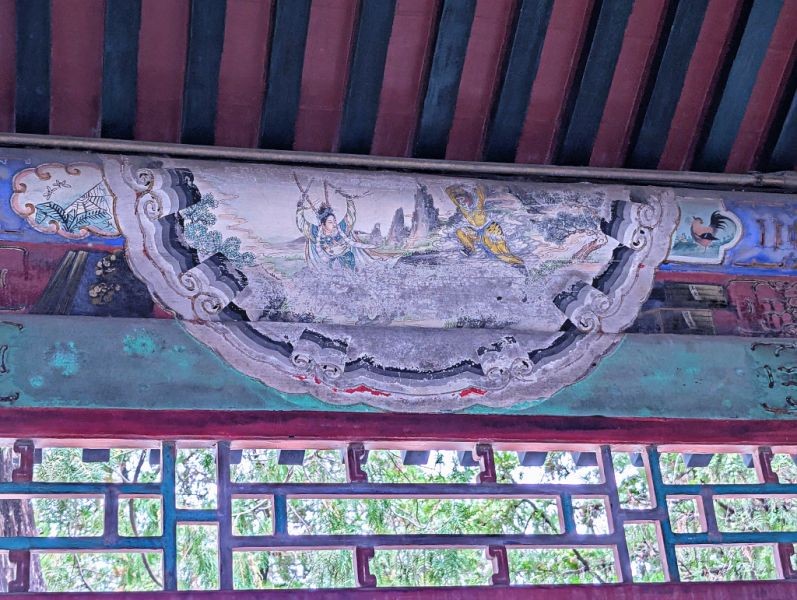
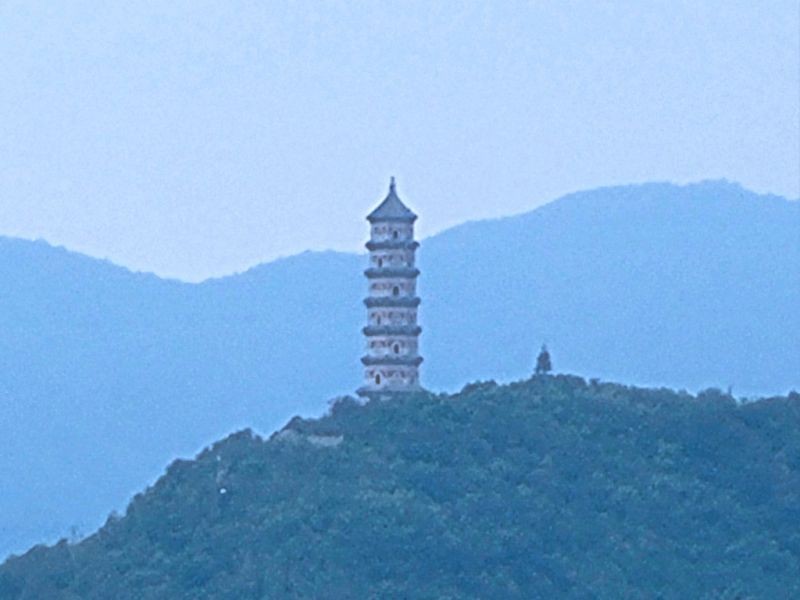
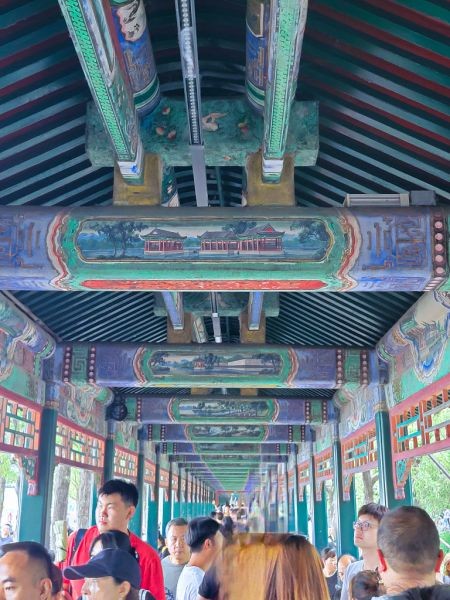
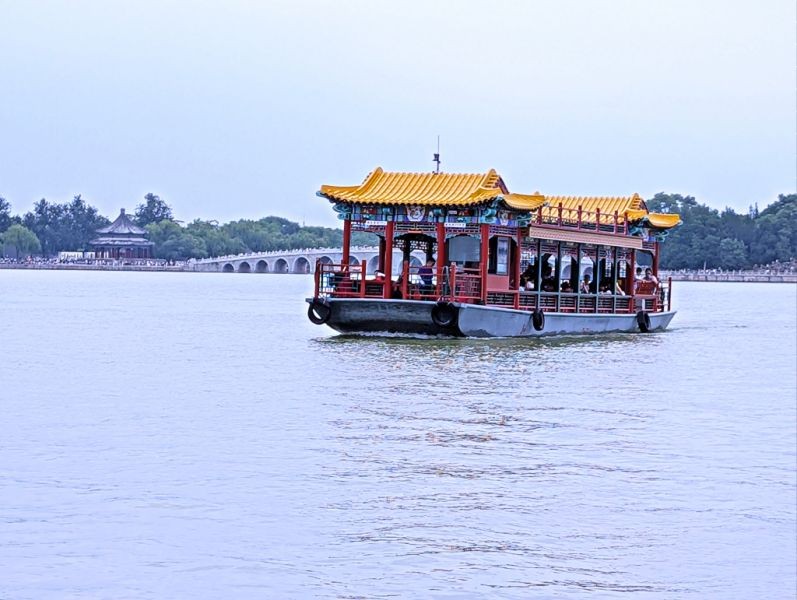
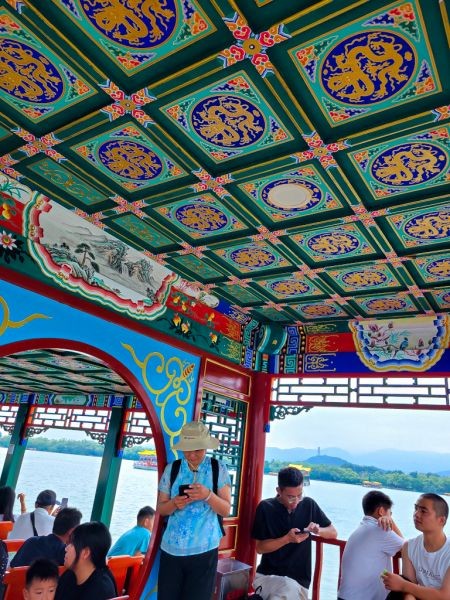
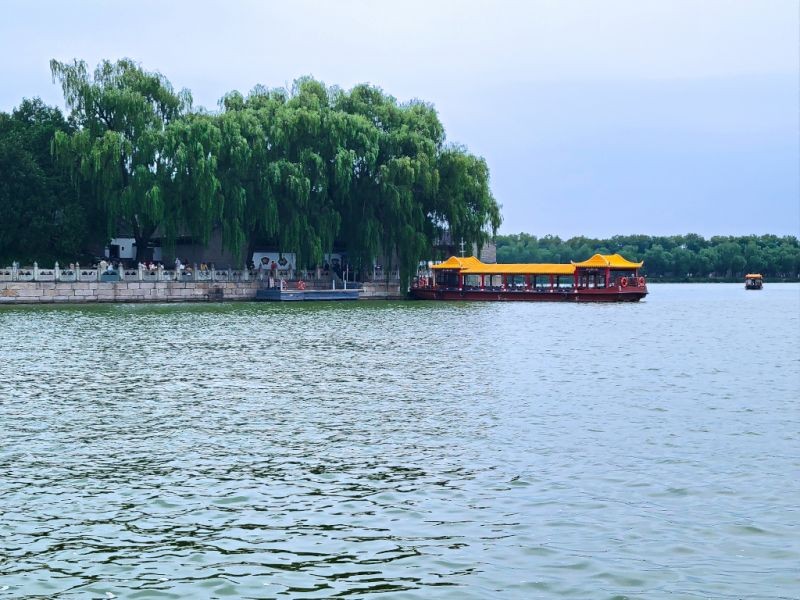
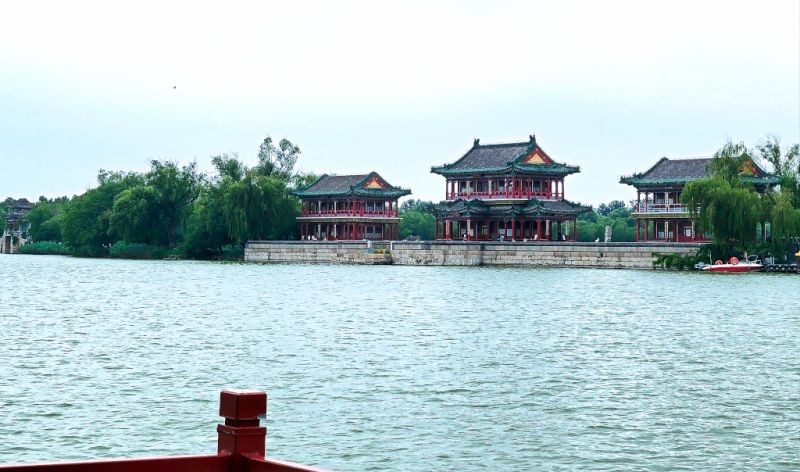
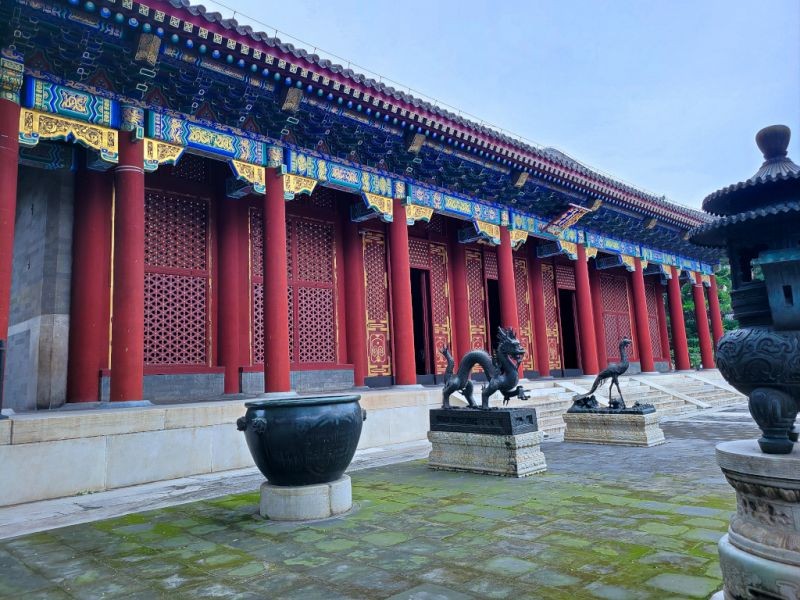
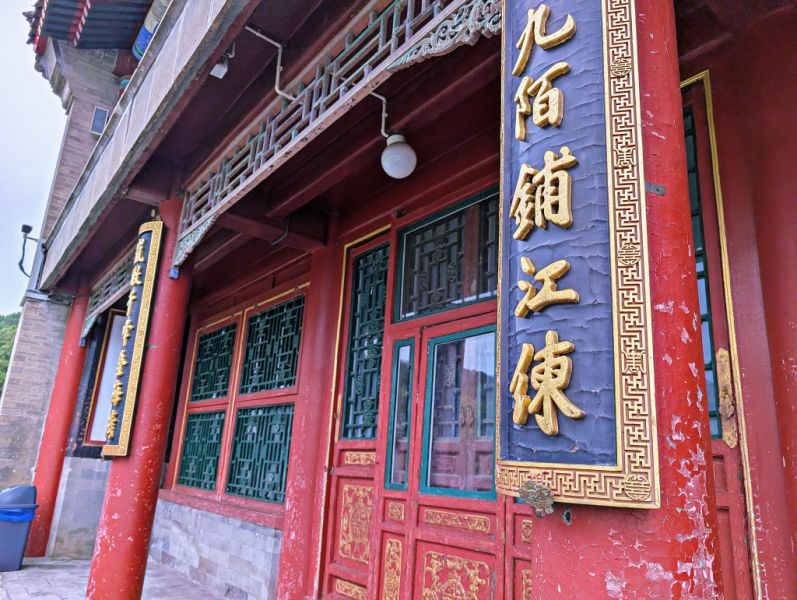
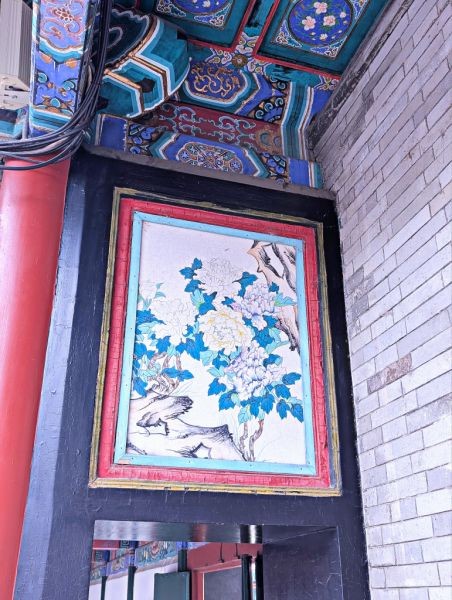
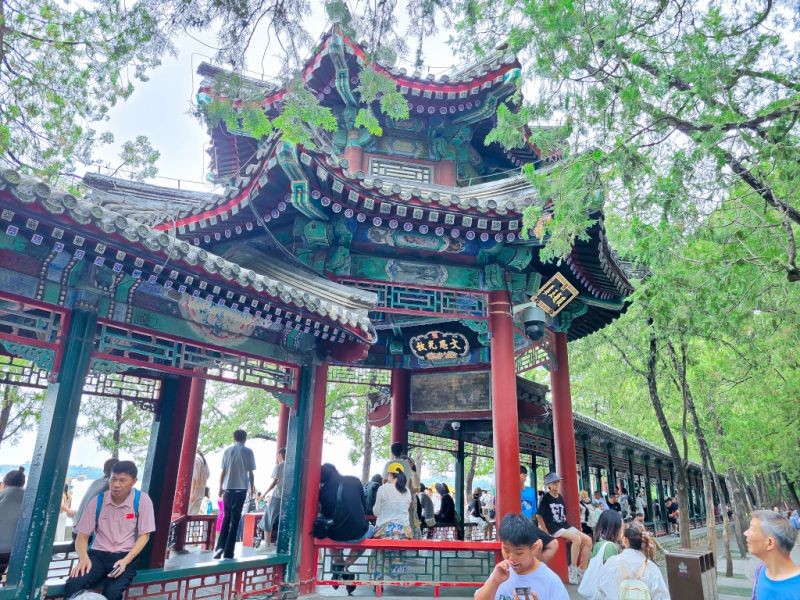
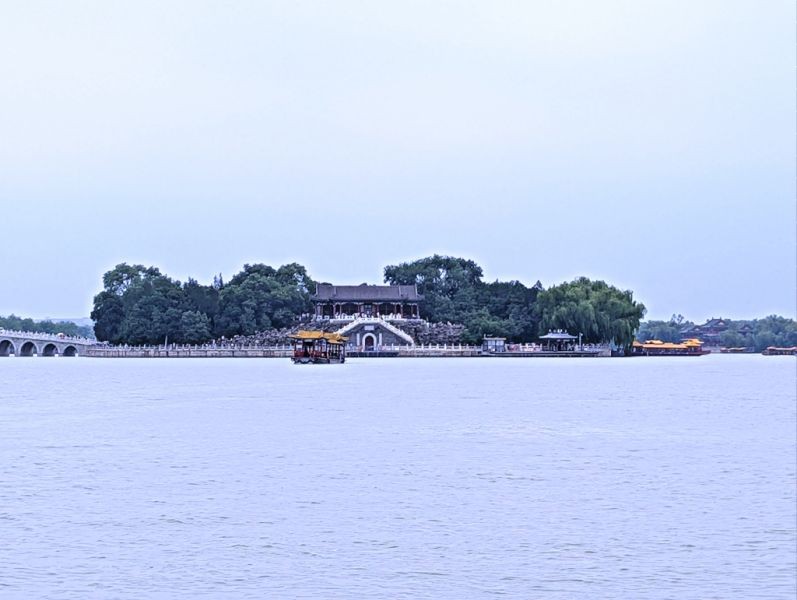
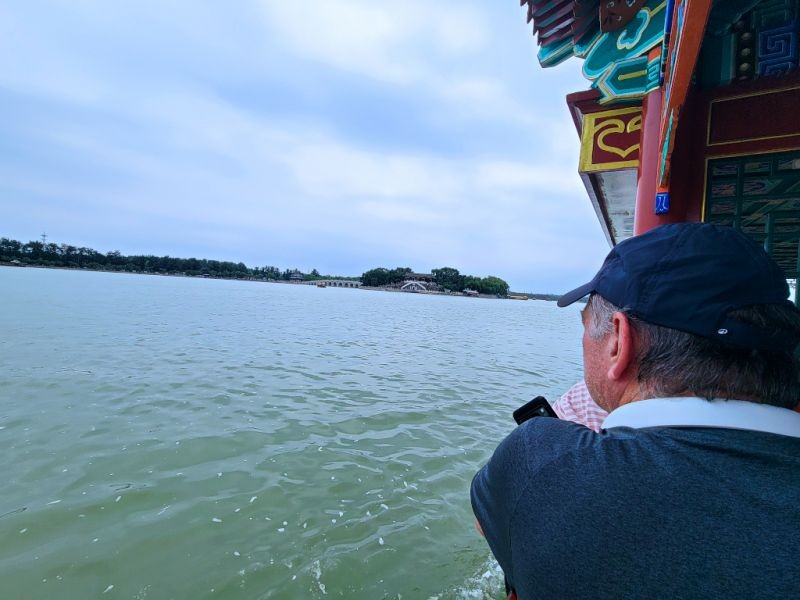
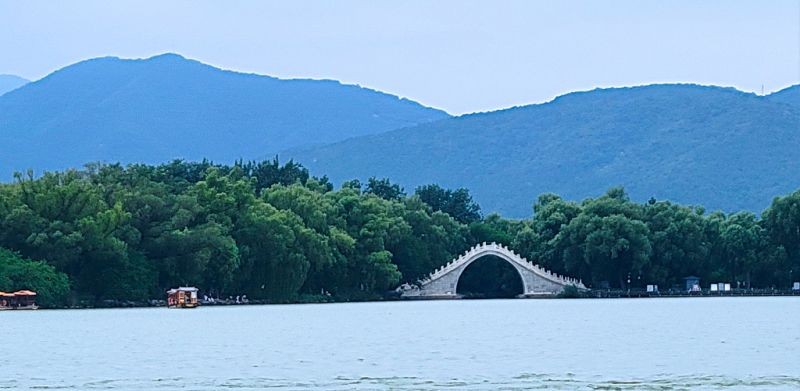
The Summer Palace covers a vast area, and we spent our time strolling through its beautifully preserved buildings, courtyards, and gardens. One of the highlights was taking a boat ride on the lake. Not only did it provide wonderful views of the palace grounds, but it also offered a welcome break from the crowds and a chance to relax for a while.
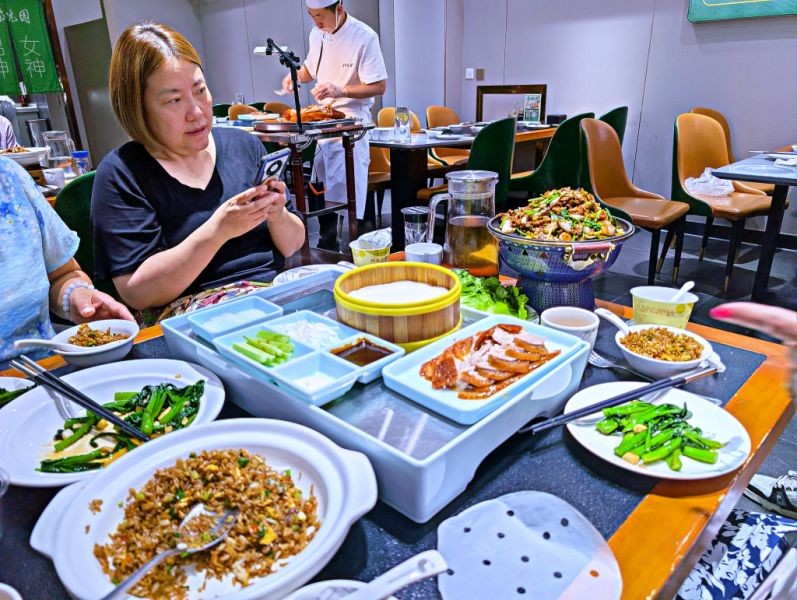
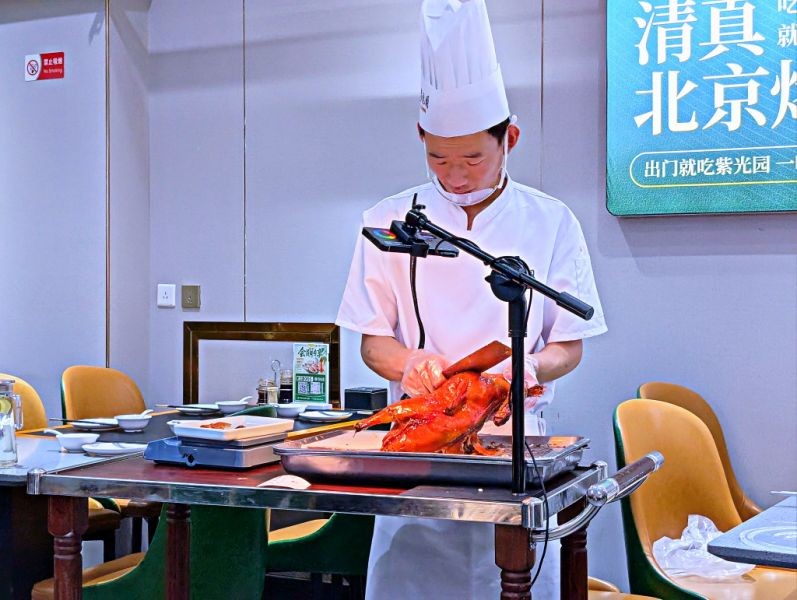
By this point, we had worked up quite an appetite. Lily asked whether we had ever tried Peking duck, and when we told her we hadn't, the decision for lunch was made. What a treat it turned out to be! The duck was expertly carved right at our table, and the entire experience felt as much like a performance as it did a meal.
Susan and Lily joined us for lunch, which made the experience even more enjoyable. They explained the traditions behind the meal and showed us the proper way to enjoy the various dishes served family-style. I was still somewhat challenged when it came to using chopsticks, but I was beginning to get the hang of them.
They also introduced us to a local favorite, Naipizi yogurt. It was rich, refreshing, and absolutely delicious. Between the incredible Peking duck, the yogurt, and the company, it ended up being one of the most memorable meals of our trip.
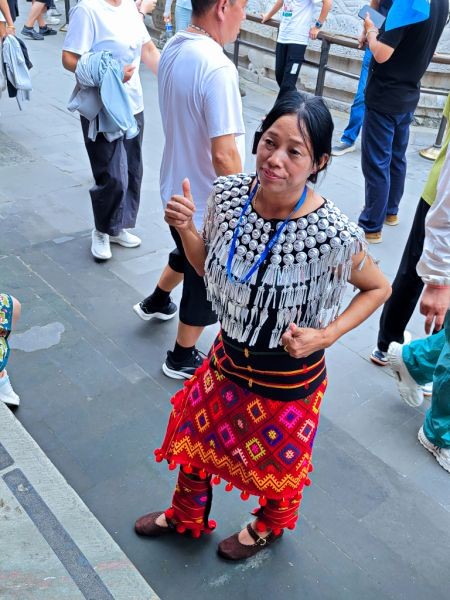
Photos of The Summer Palace
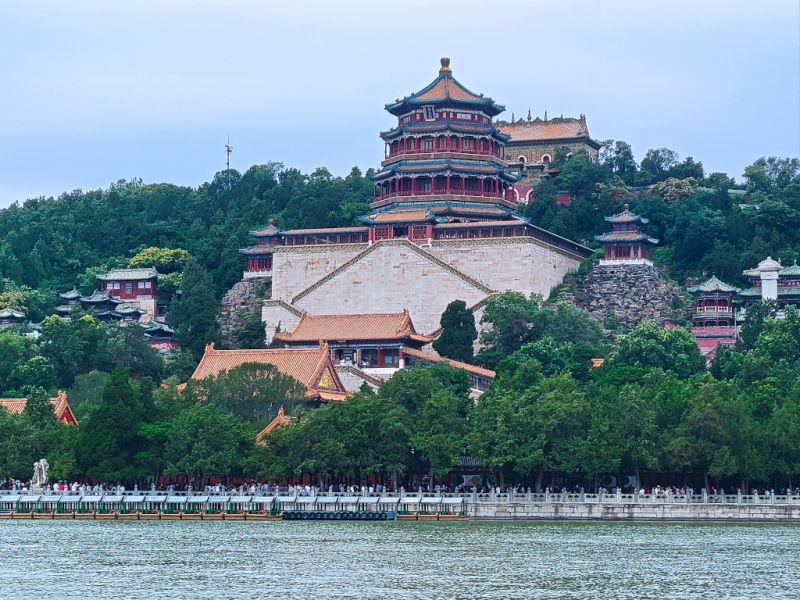
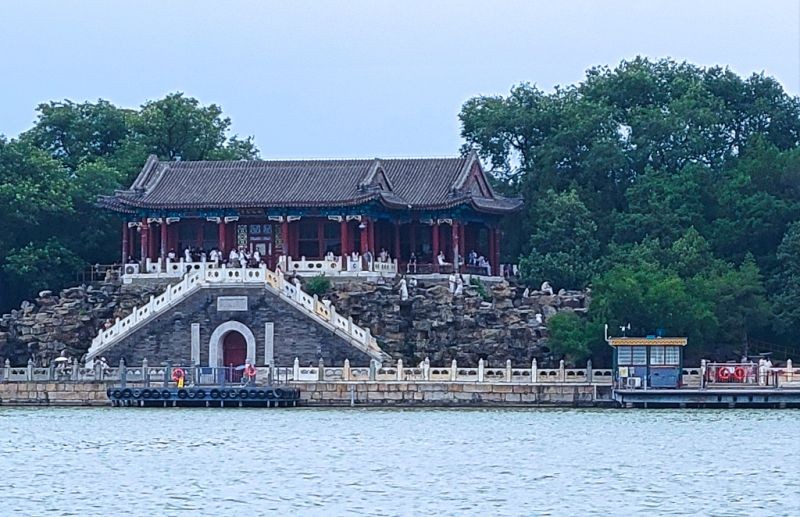
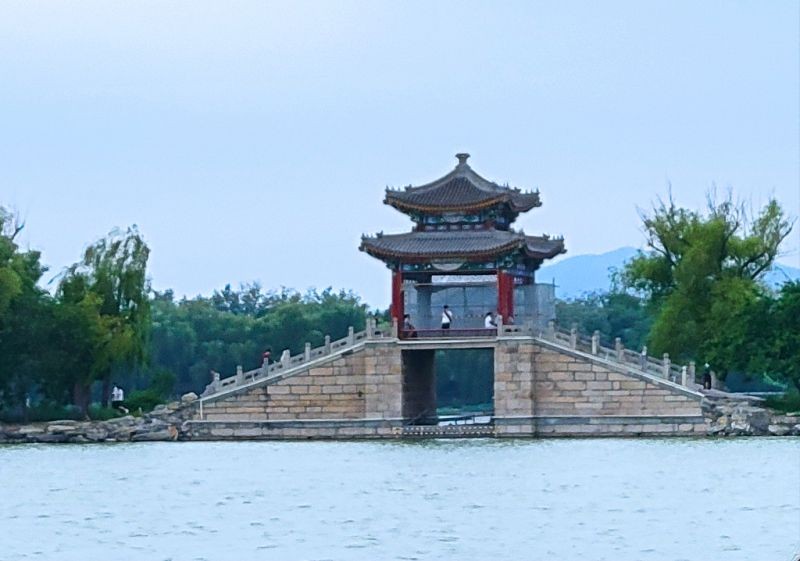
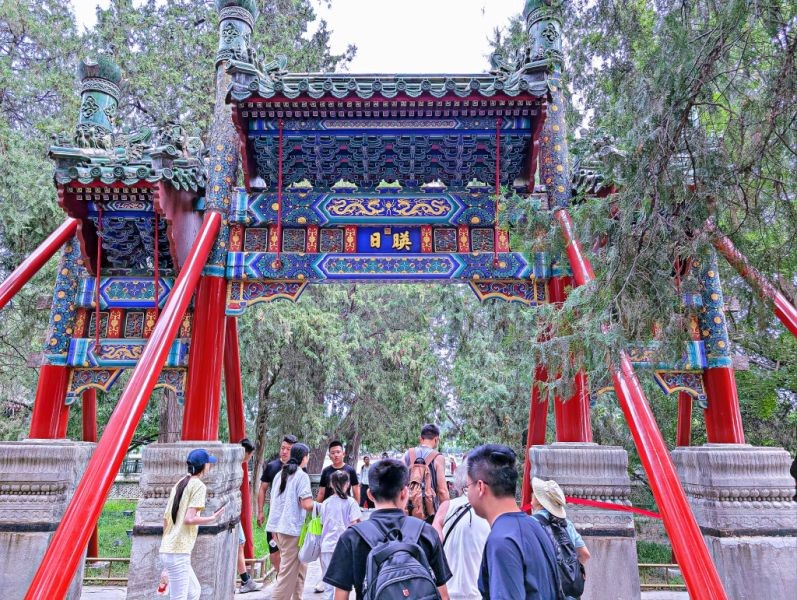
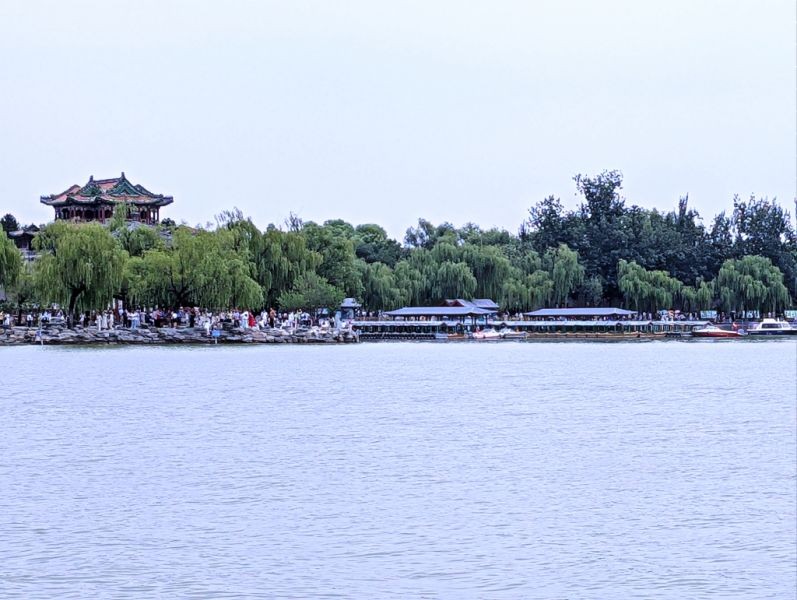
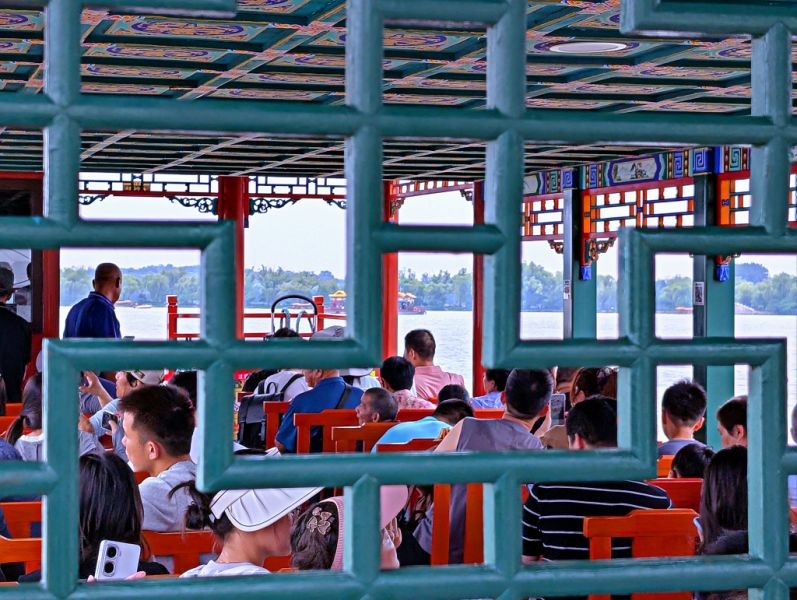
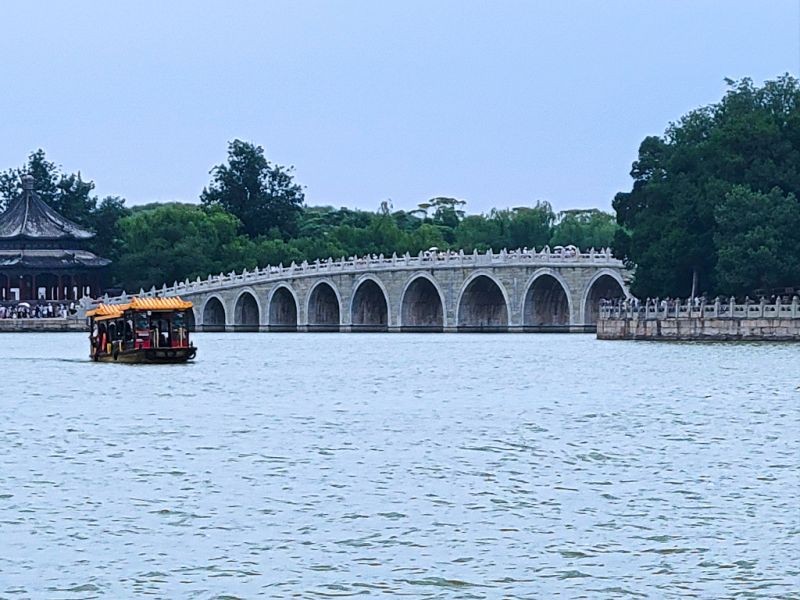
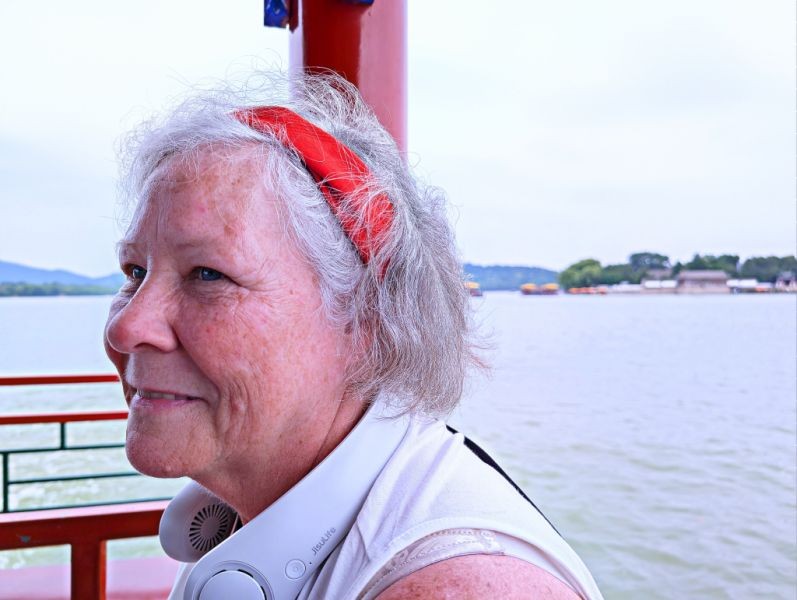
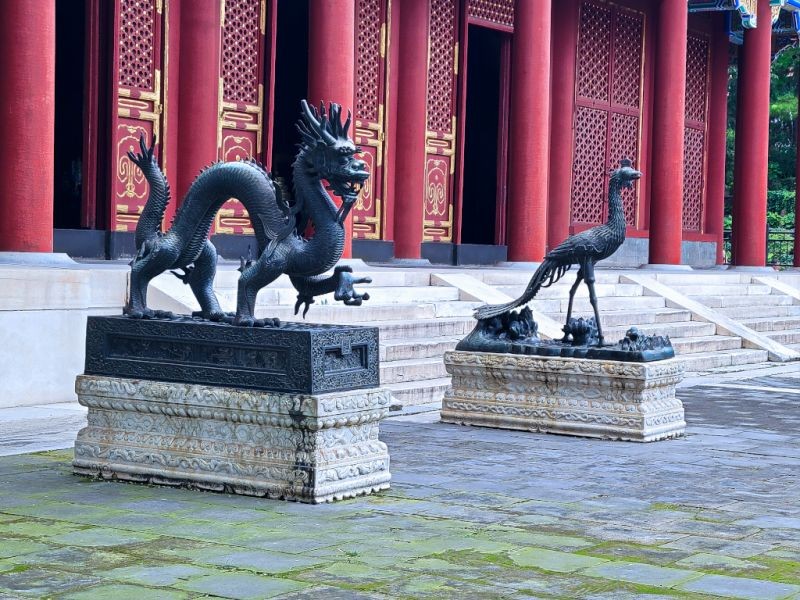
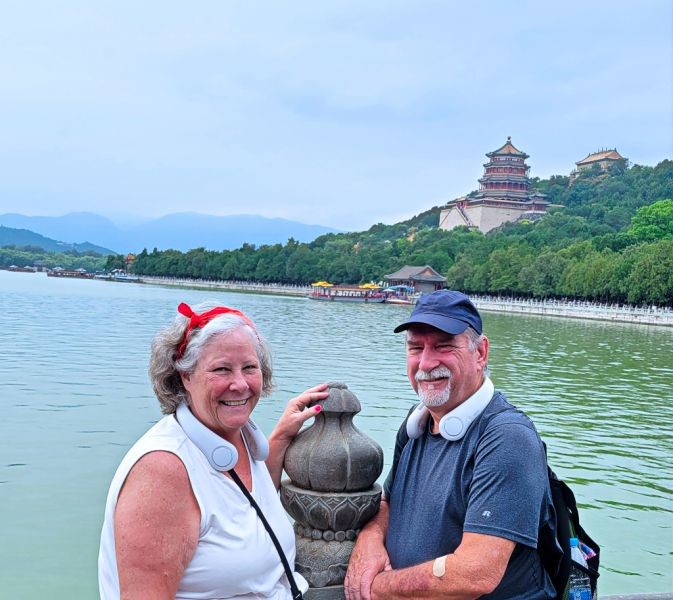
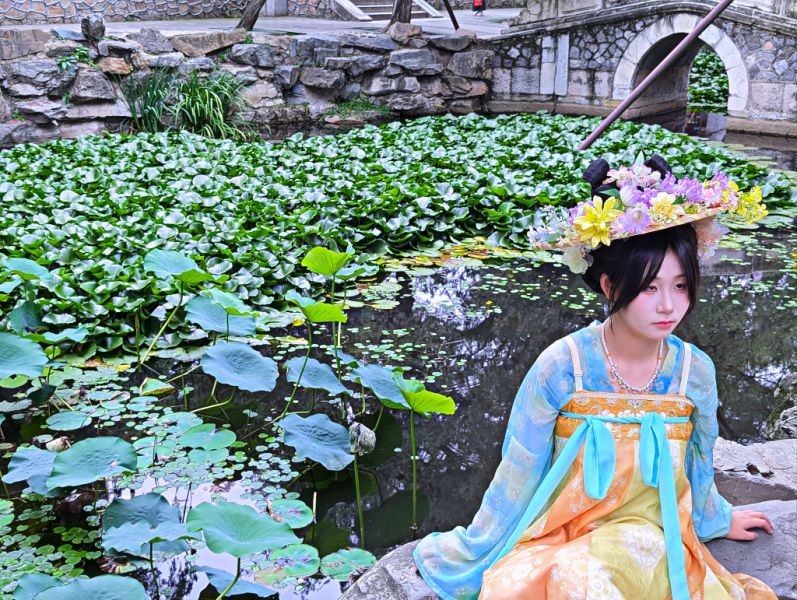
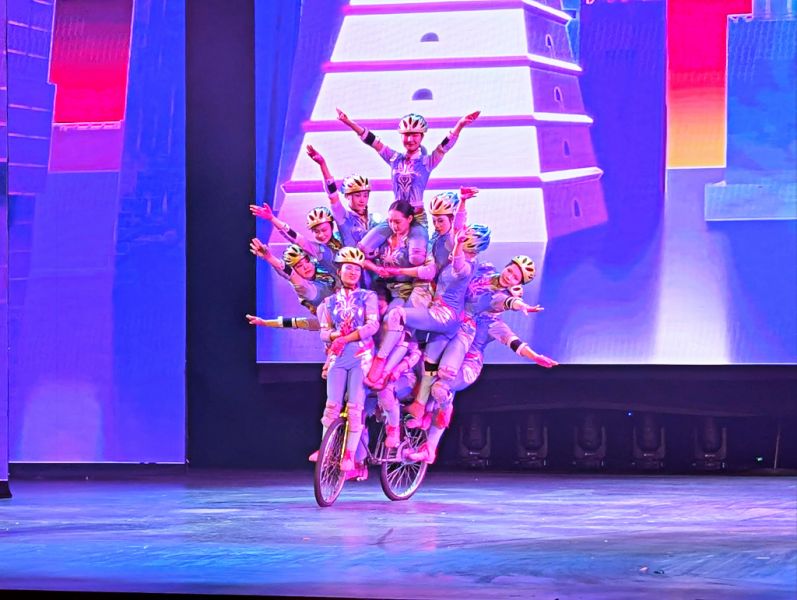
During lunch, Lily asked if we'd be interested in attending a Chinese acrobatics performance later that afternoon. Of course, we said yes, why not? She quickly made all the arrangements for us, and I have to admit, I was getting quite fond of this VIP treatment.
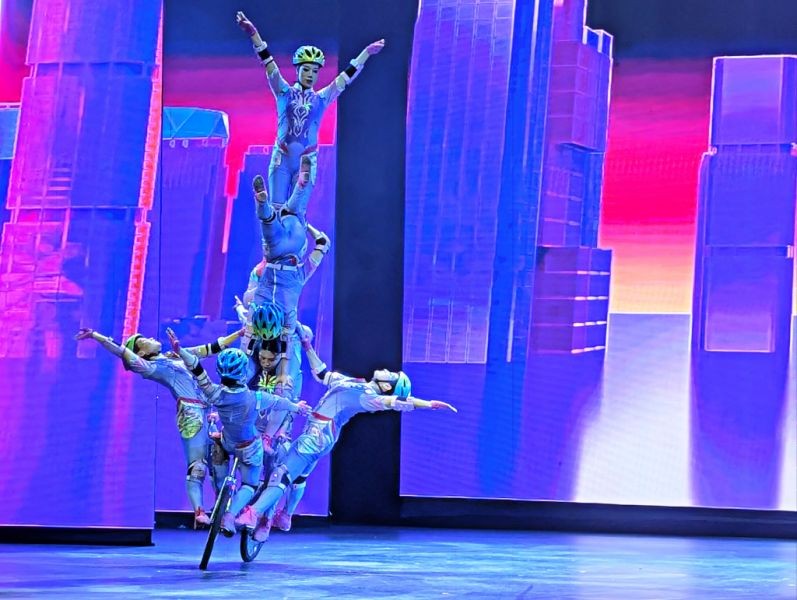
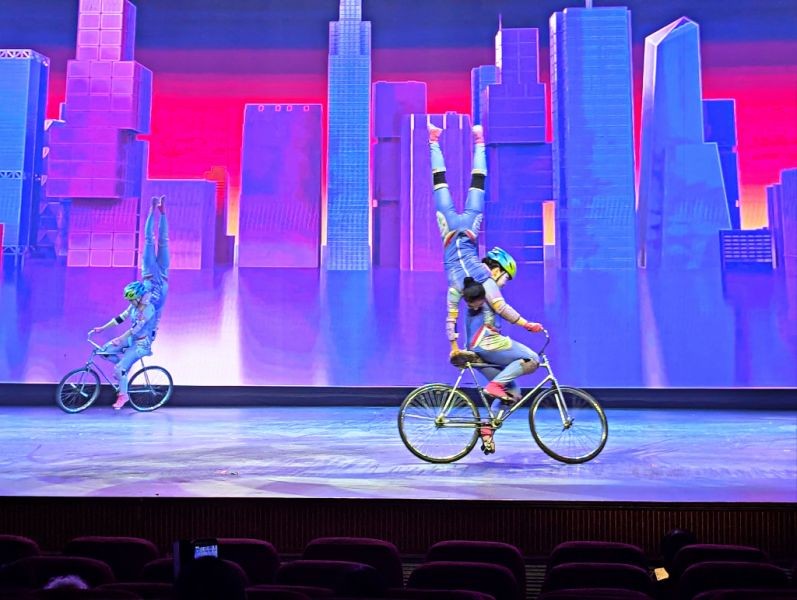
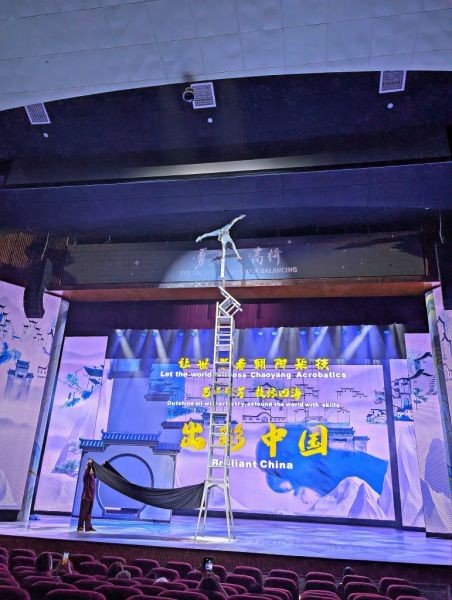
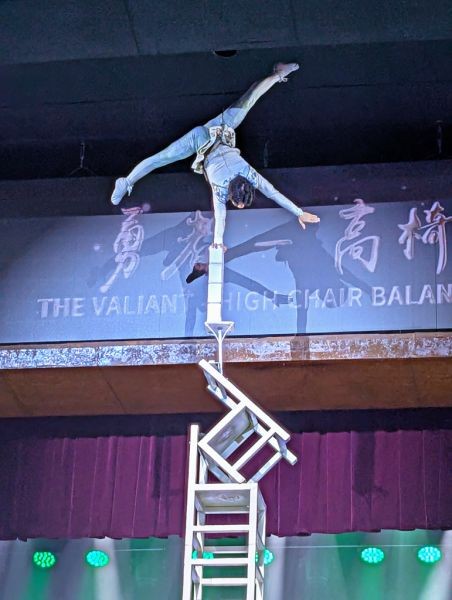
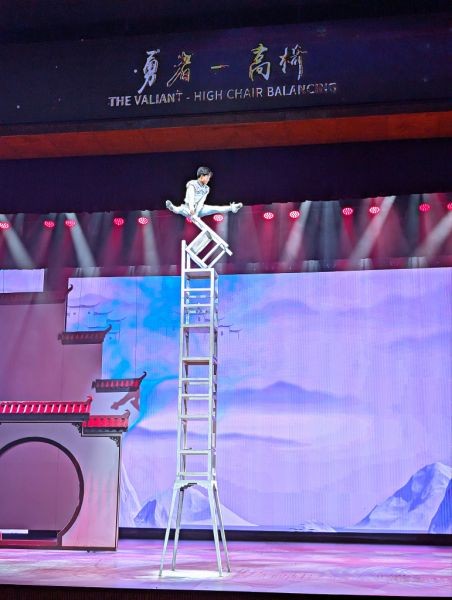
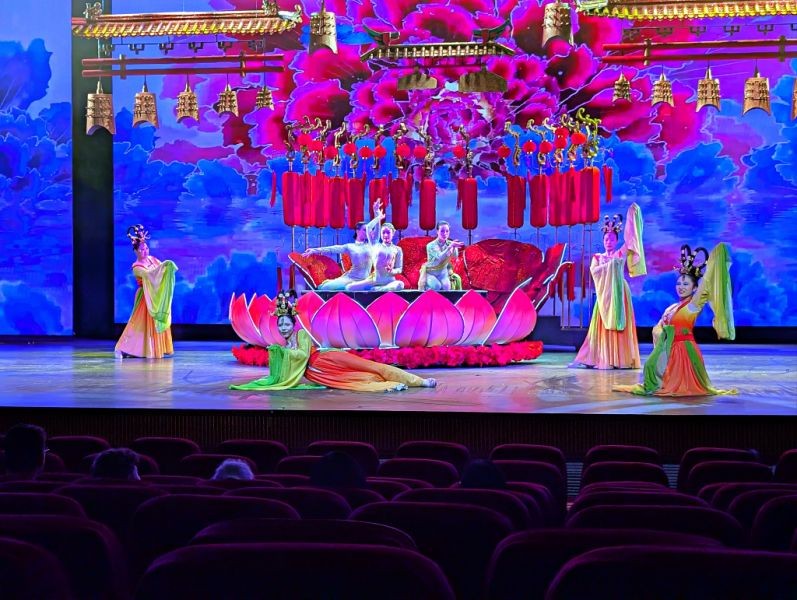
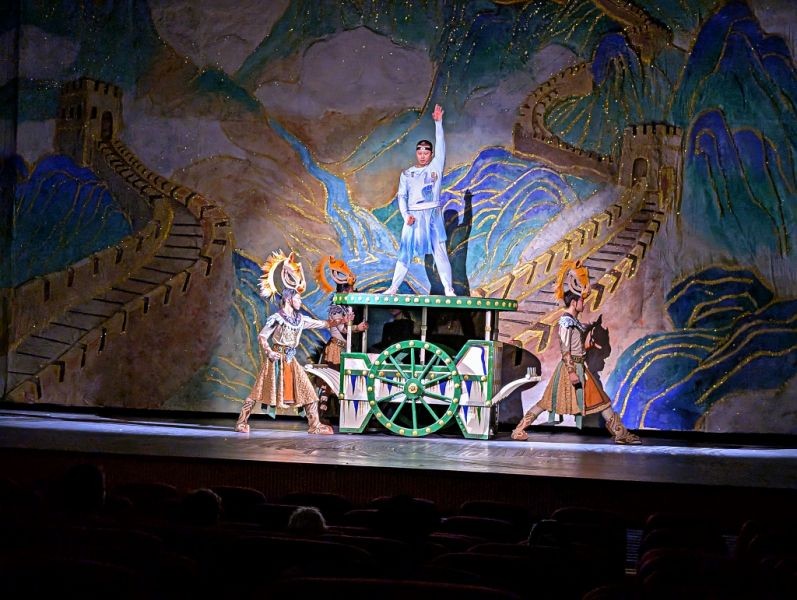
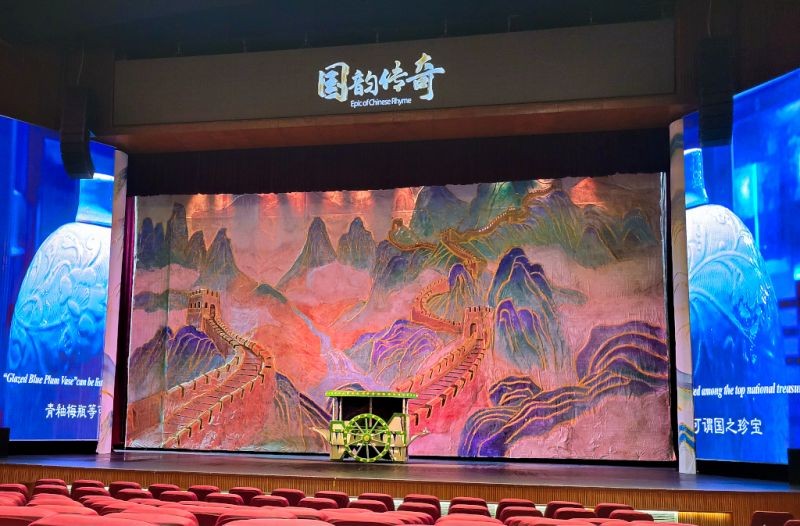
We attended the 4:00 p.m. show, which wasn't overly crowded, making it easy to find good seats. The performance itself was incredible. The acrobats demonstrated amazing strength, balance, flexibility, and precision, leaving us wondering how some of their feats were even possible. It was a truly impressive display of talent and years of dedication.
The show turned out to be the perfect way to end a wonderful day in Beijing. Between the Great Wall, the Summer Palace, an unforgettable Peking duck lunch, and the acrobatics performance, we had packed a lot into a single day.
Since our lunch had been both large and late, Connie and I decided to skip dinner. By then, we were both pleasantly exhausted from the day's adventures. We returned to the hotel, settled in for the evening, and turned in early, looking forward to whatever experiences awaited us the next day.
Photos of the Acrobatic Show
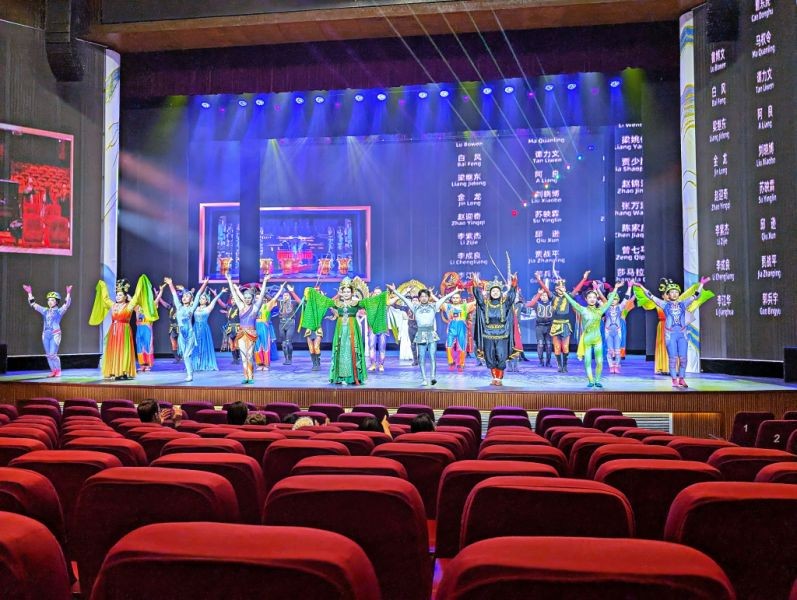
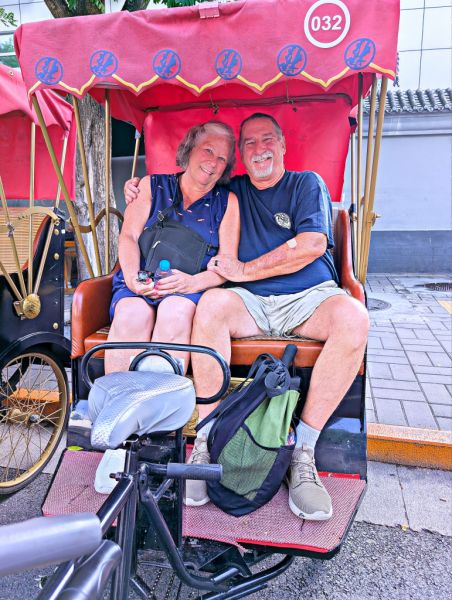
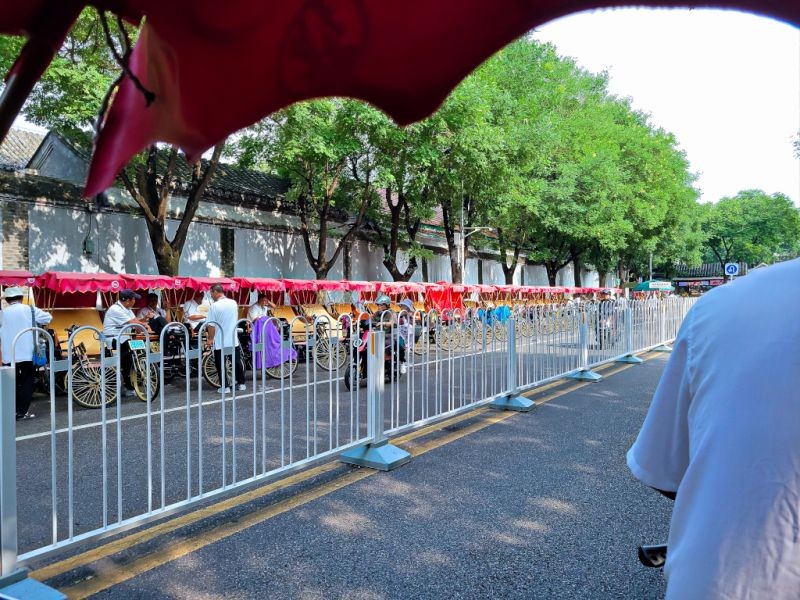
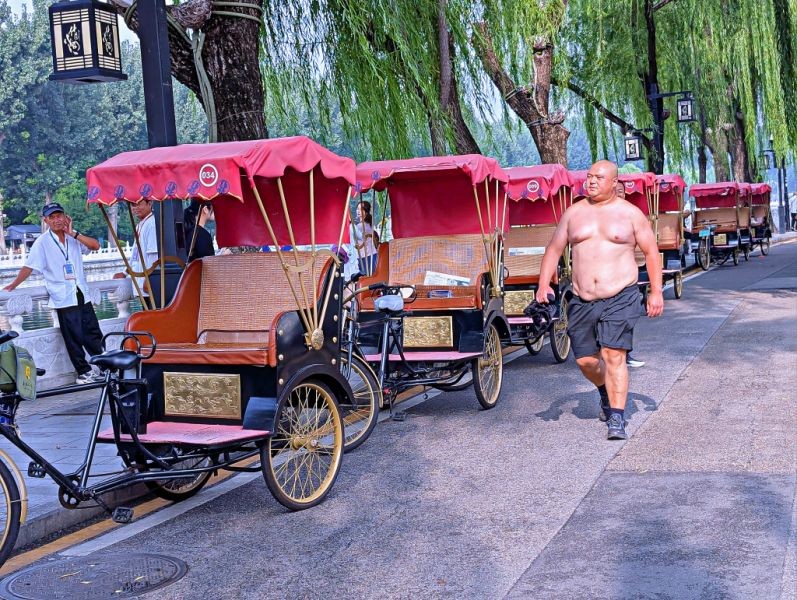
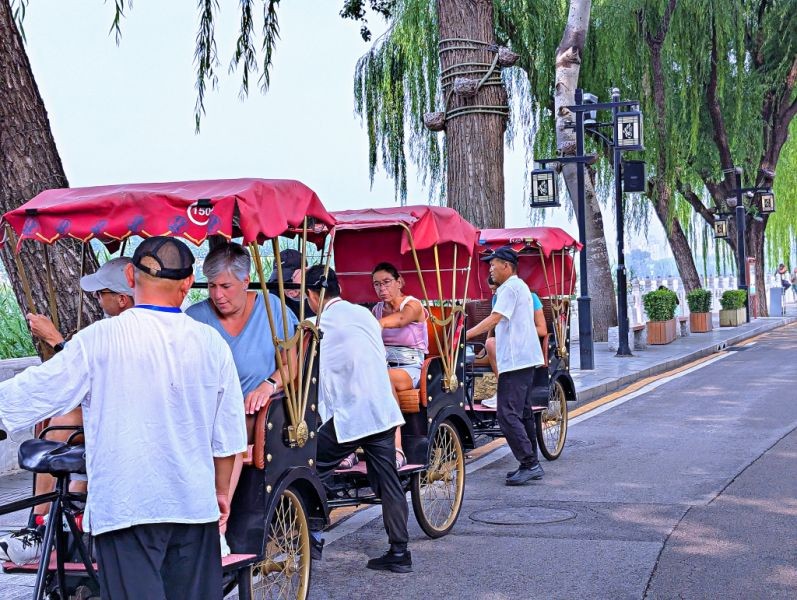
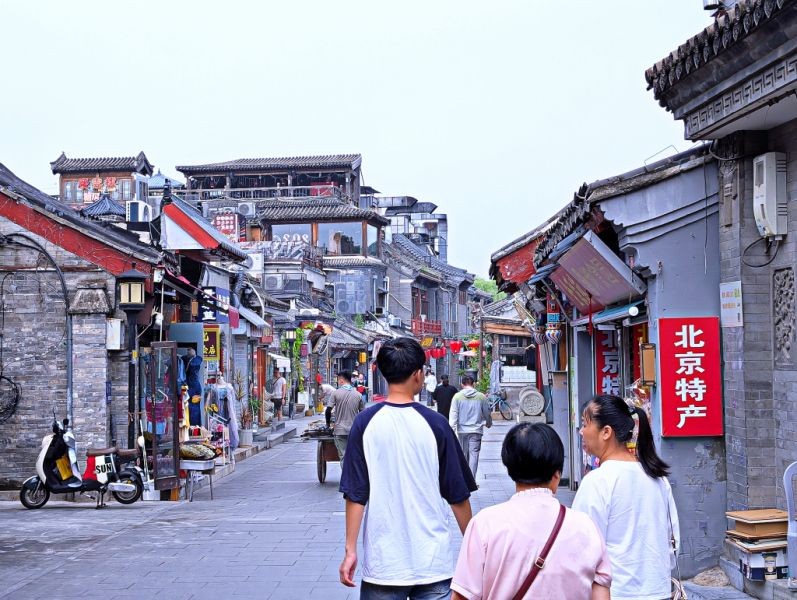
Tuesday, July 21st, 2026 - Meeting Lily and Susan early that morning, we set off for another day of exploring Beijing. Our first adventure was a ride through the city's historic hutongs. Unlike the traditional hand-pulled rickshaws of the past, our driver powered us along on a bicycle, making for a comfortable and enjoyable journey through the narrow alleyways.
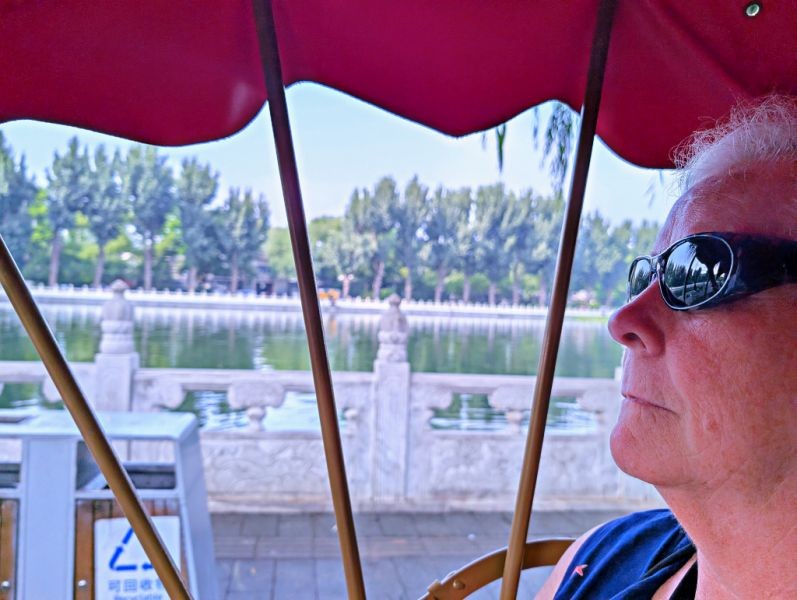
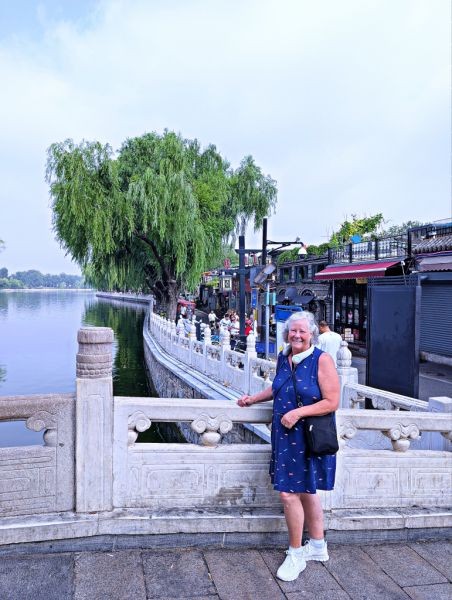
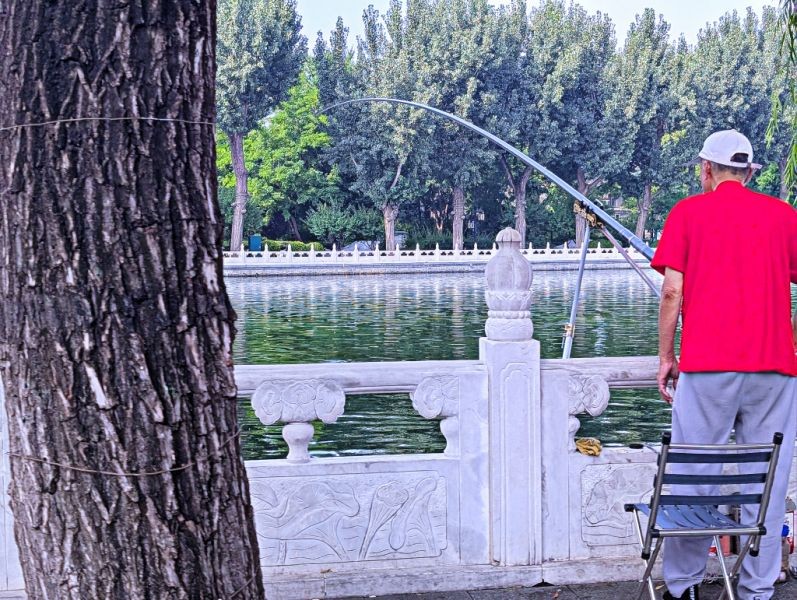
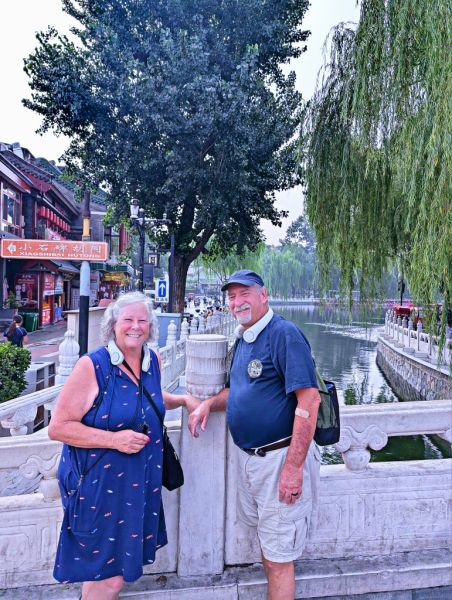
As we wound our way through the maze of centuries-old streets, we caught glimpses of everyday life in old Beijing before arriving at picturesque Houhai Lake, part of the larger Shichahai lake district. The calm waters and tree-lined shoreline provided a welcome contrast to the city's busy streets and offered a glimpse into a quieter side of Beijing.
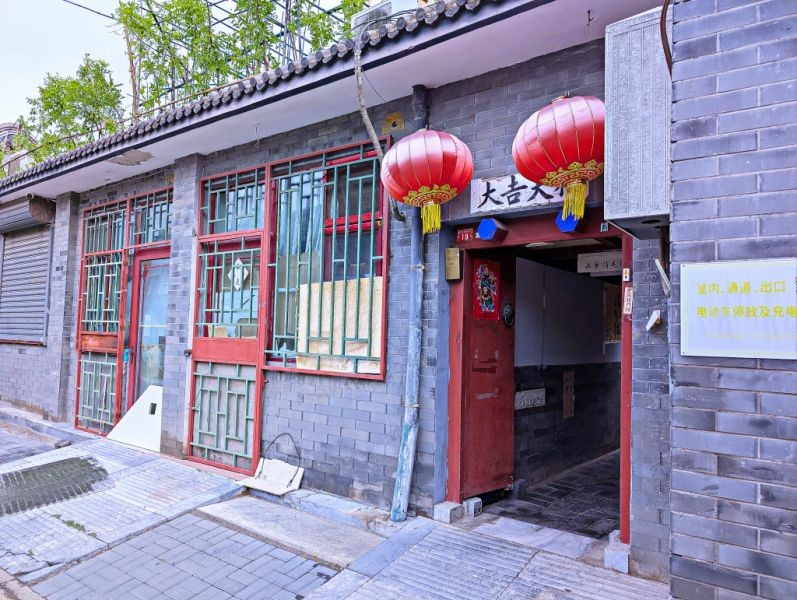
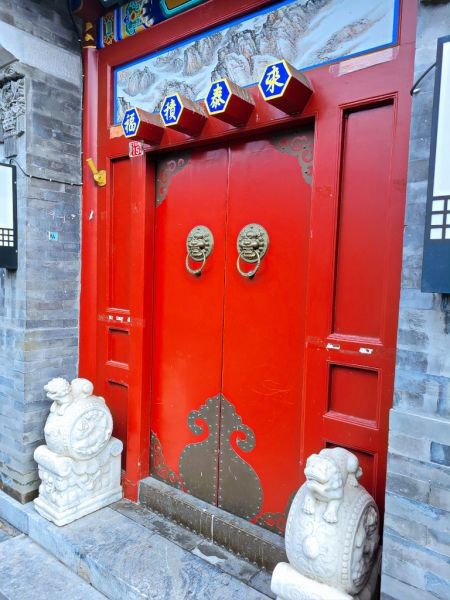
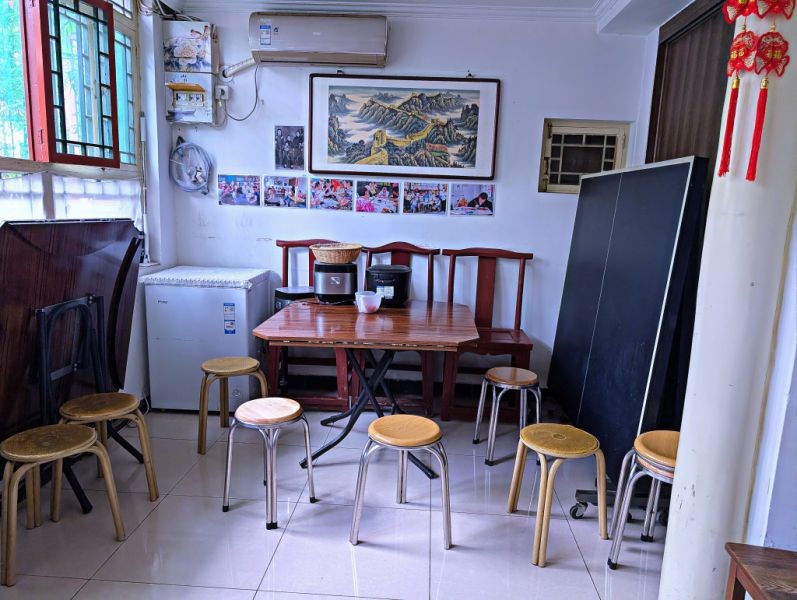
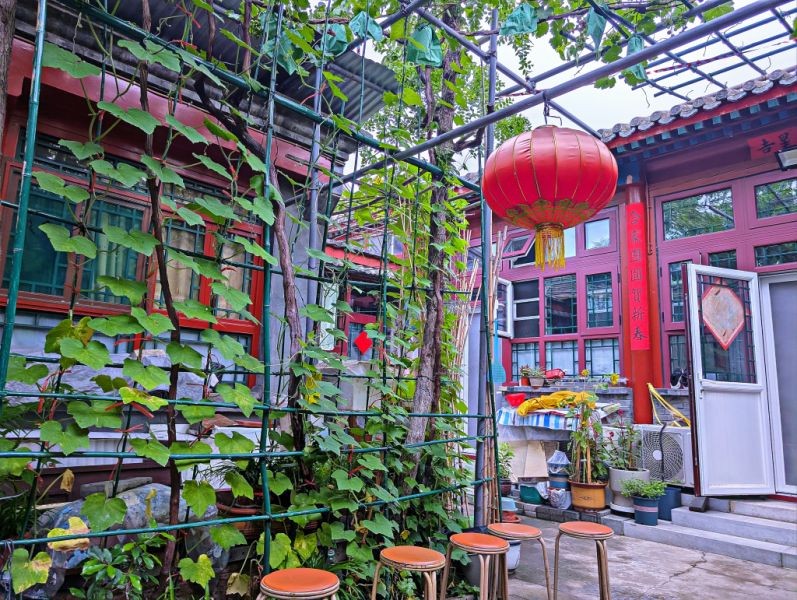
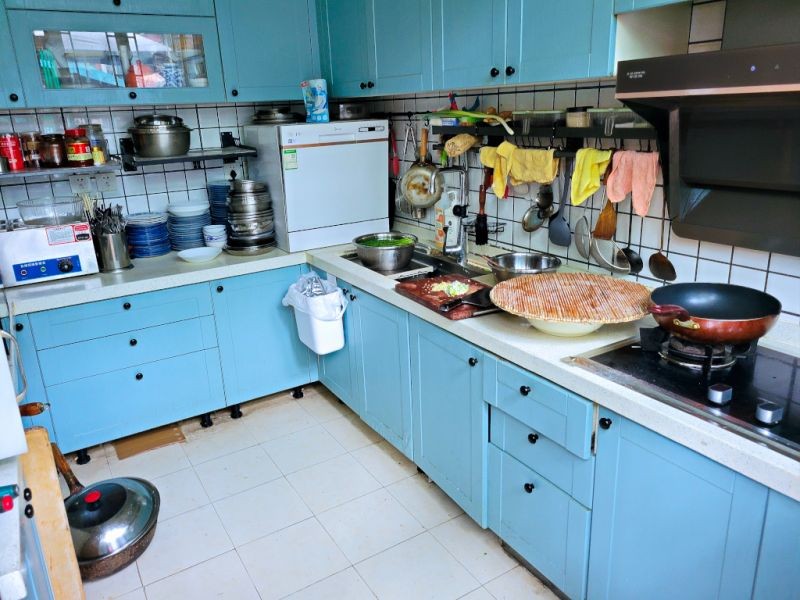
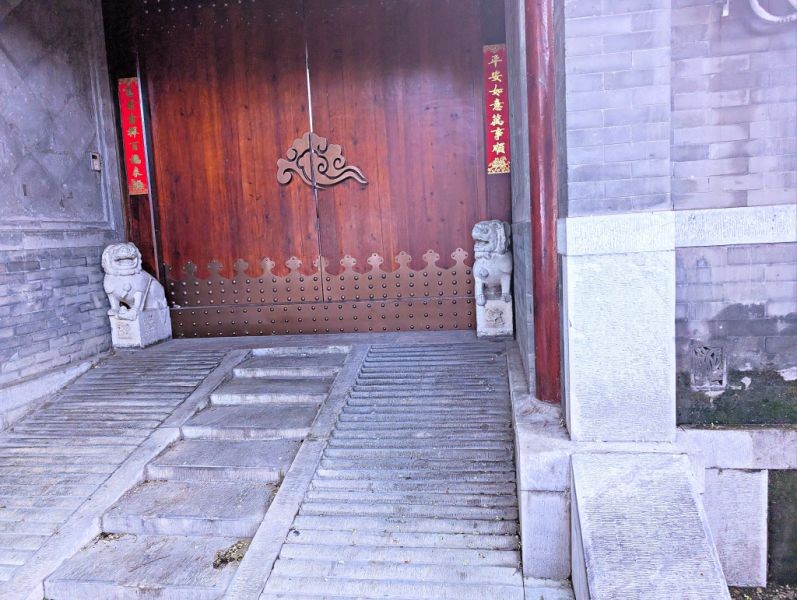
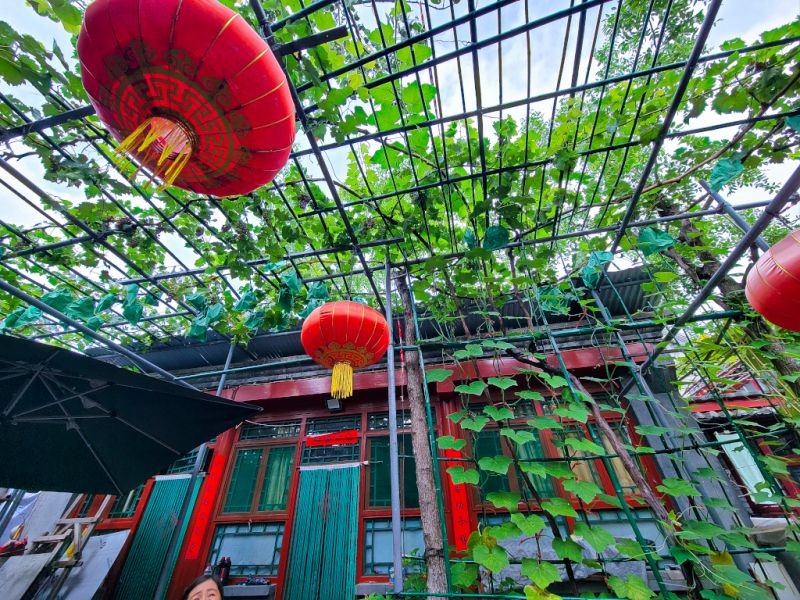
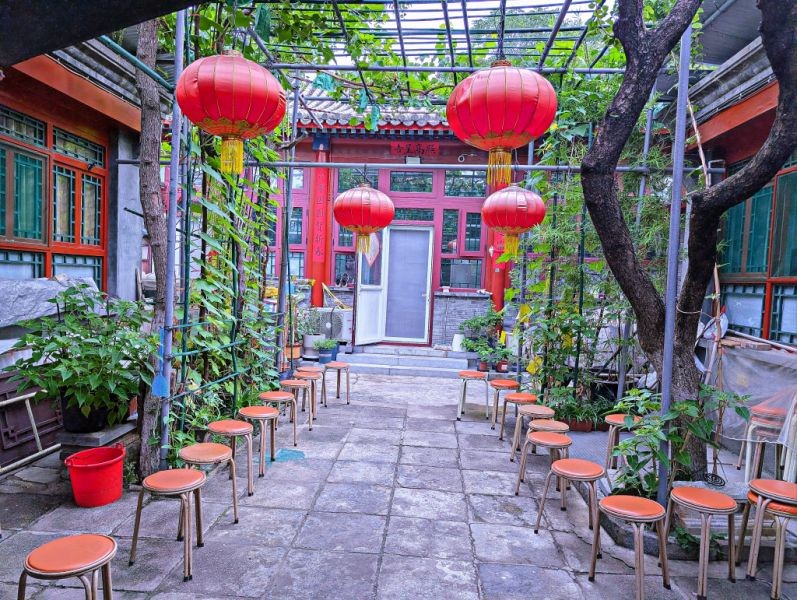
After the rickshaw ride, we visited a traditional Chinese courtyard home. Our hosts welcomed us into their family residence, which has been home to three generations. It was fascinating to see how modern life blends with tradition in these historic homes. In addition to living there, the couple operates a small art studio and also offers cooking classes, giving visitors an authentic look at local culture and daily life.
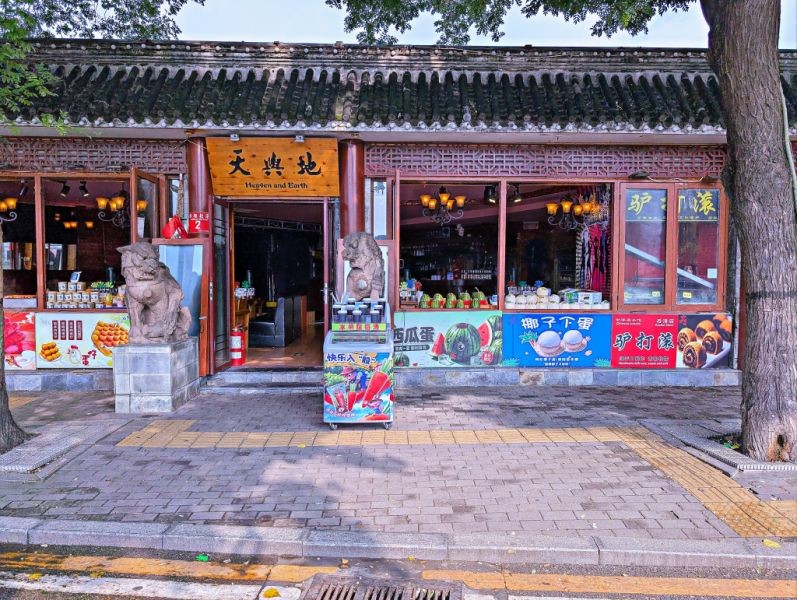
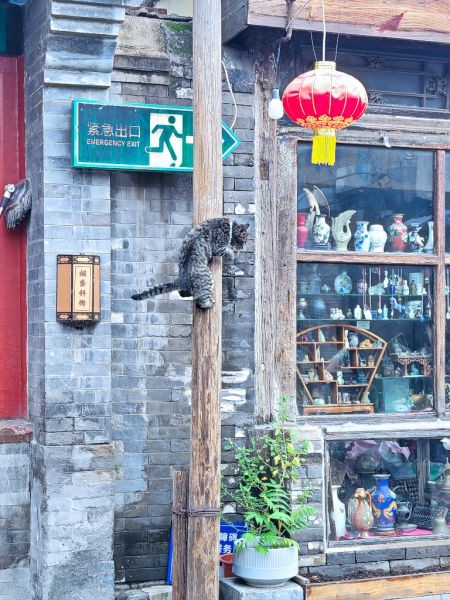
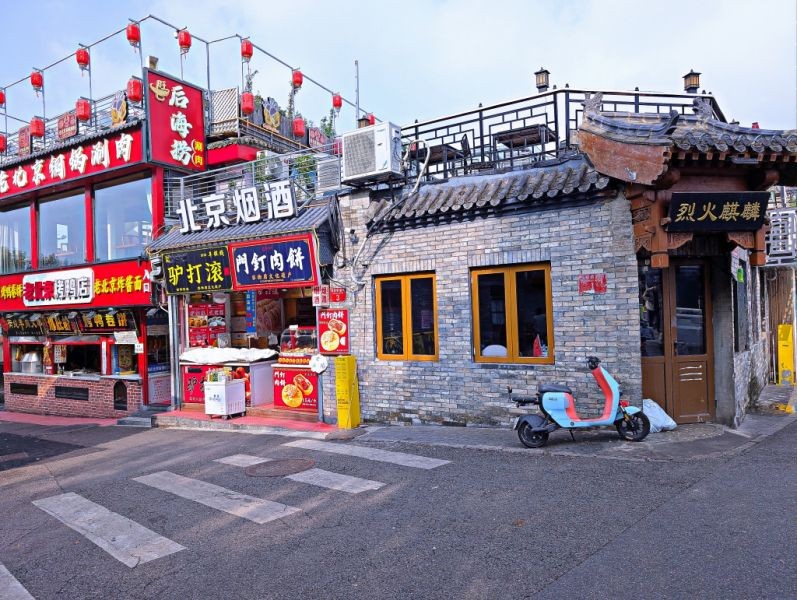
From there, we strolled along the famous Opium Pipe Street, once known for its connection to Beijing's past but now lined with souvenir shops, cafes, and vendors catering to visitors. Naturally, no visit to the area would have been complete without stopping for another serving of Naipizi yogurt, which had quickly become one of our favorite local treats. It was the perfect snack as we soaked in the atmosphere of one of Beijing's most charming historic neighborhoods.
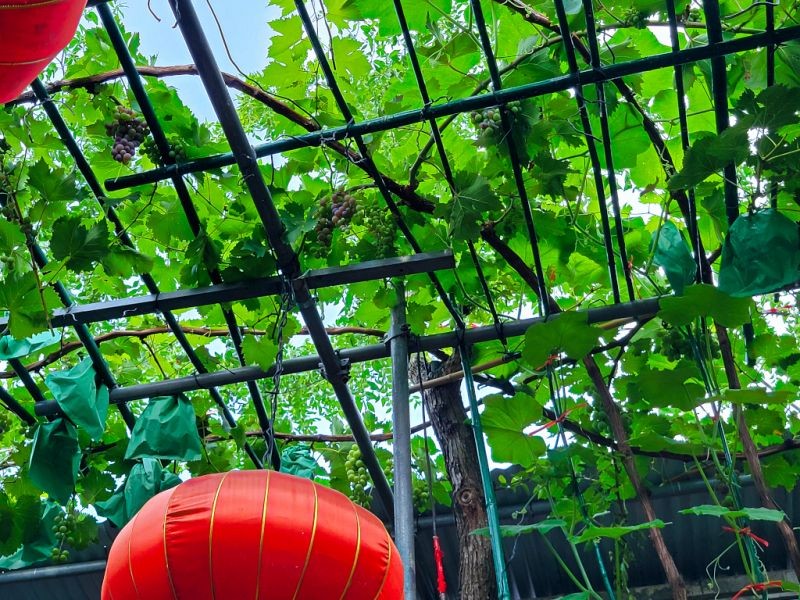
Photos of Chinese Courtyard Home and Opium Pipe Street
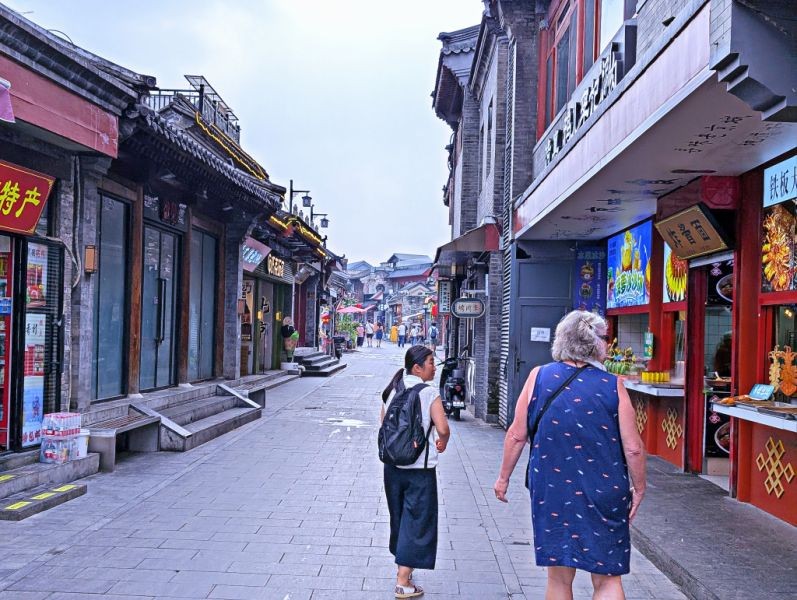
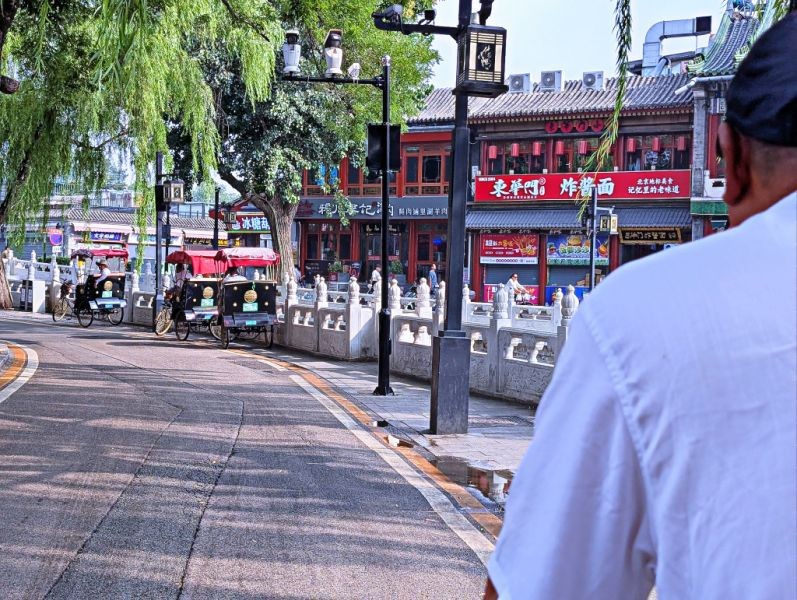
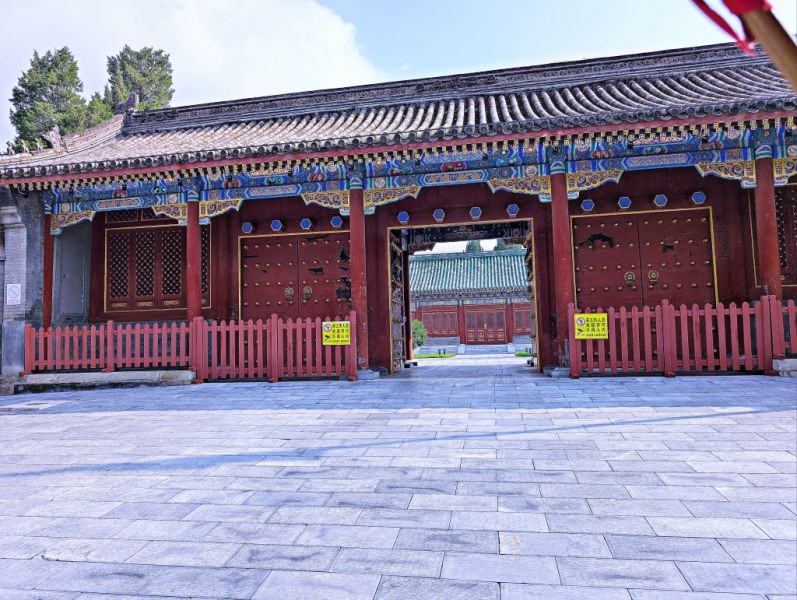
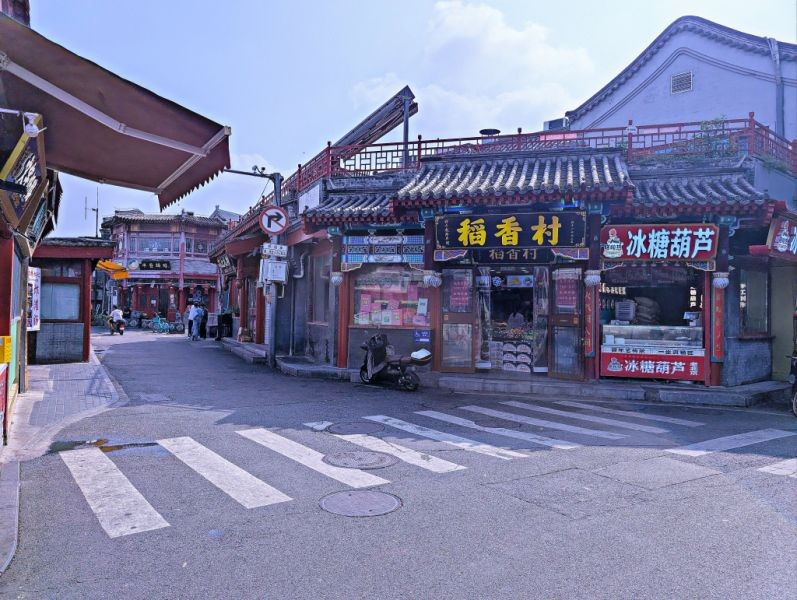
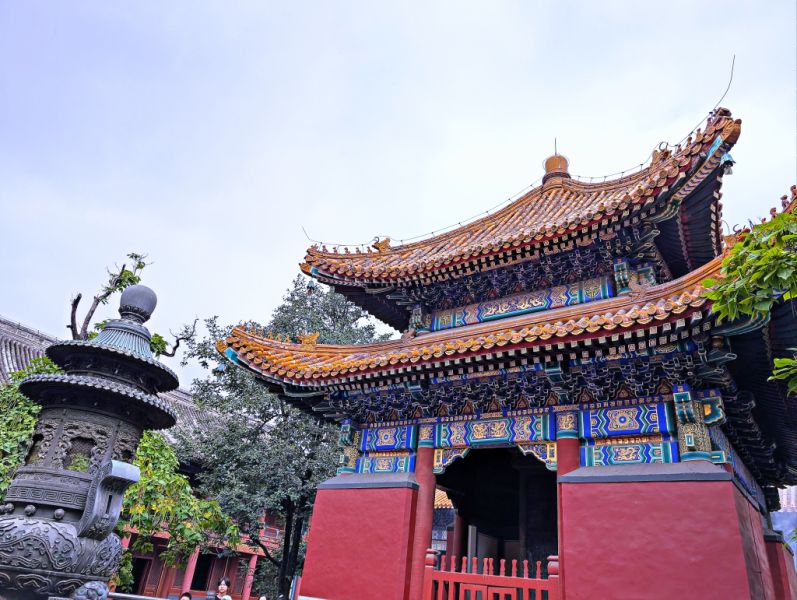
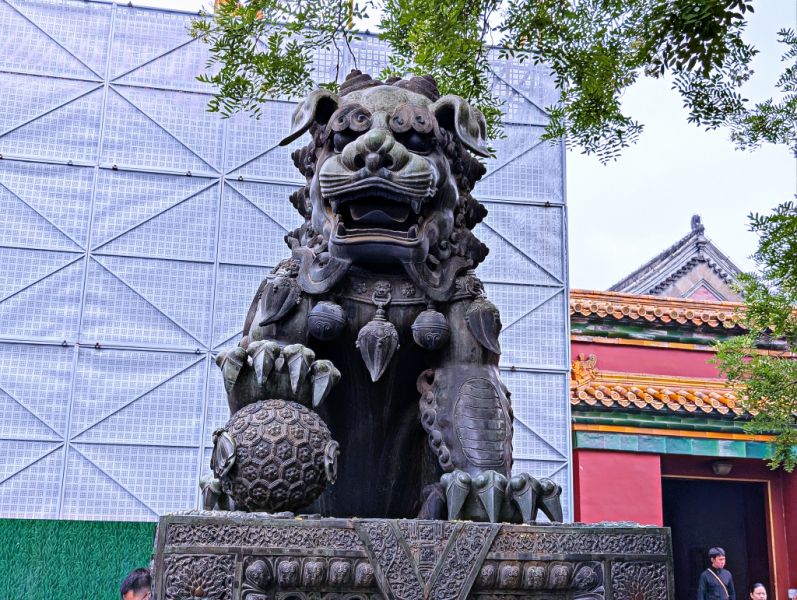
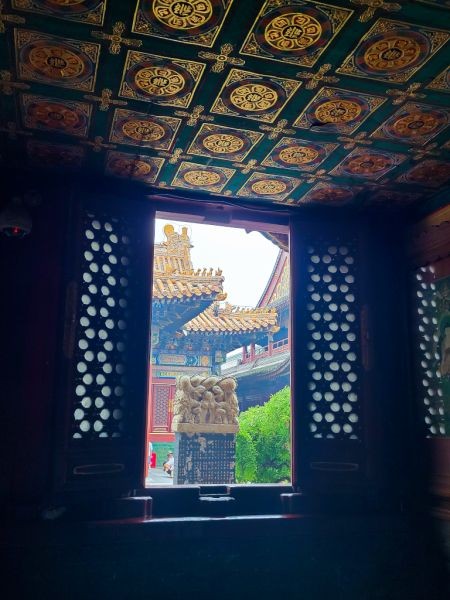
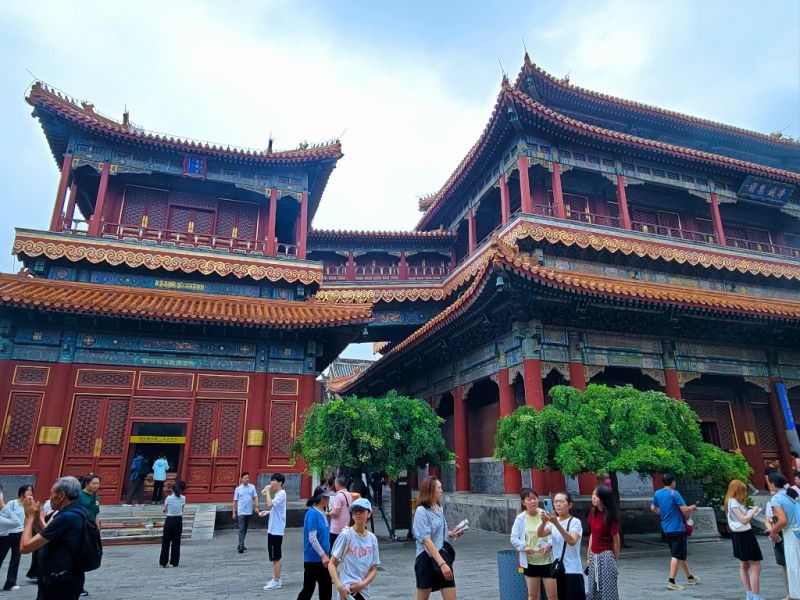
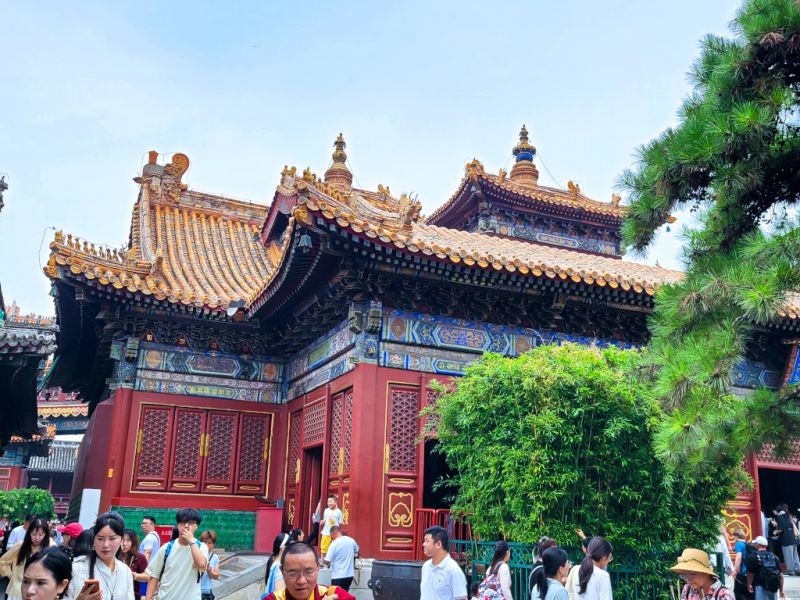
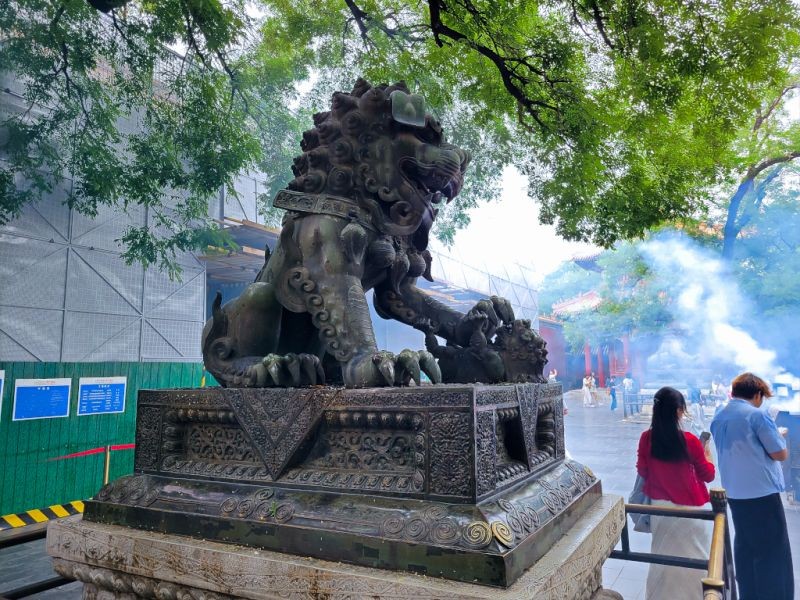
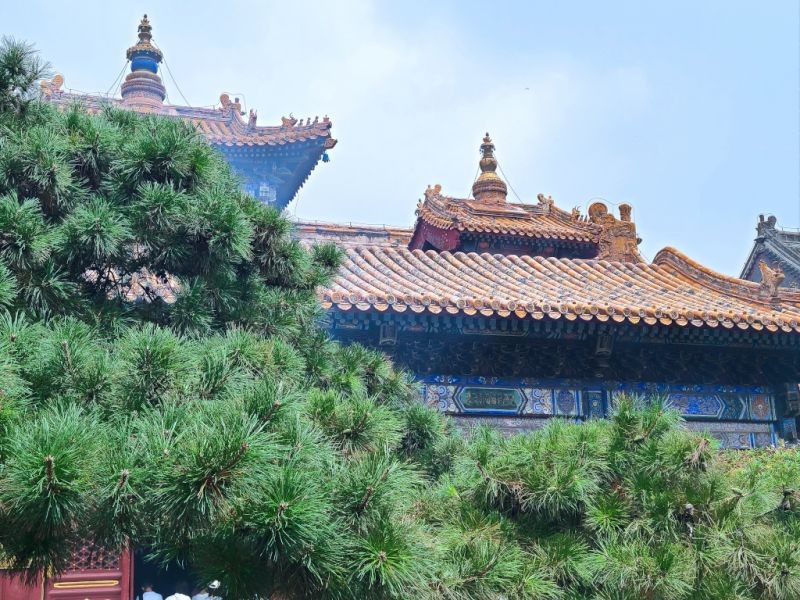
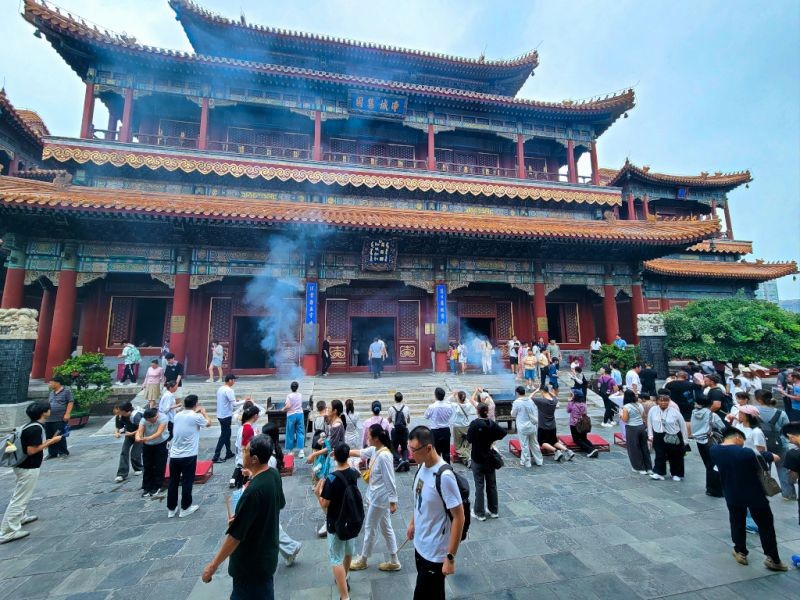
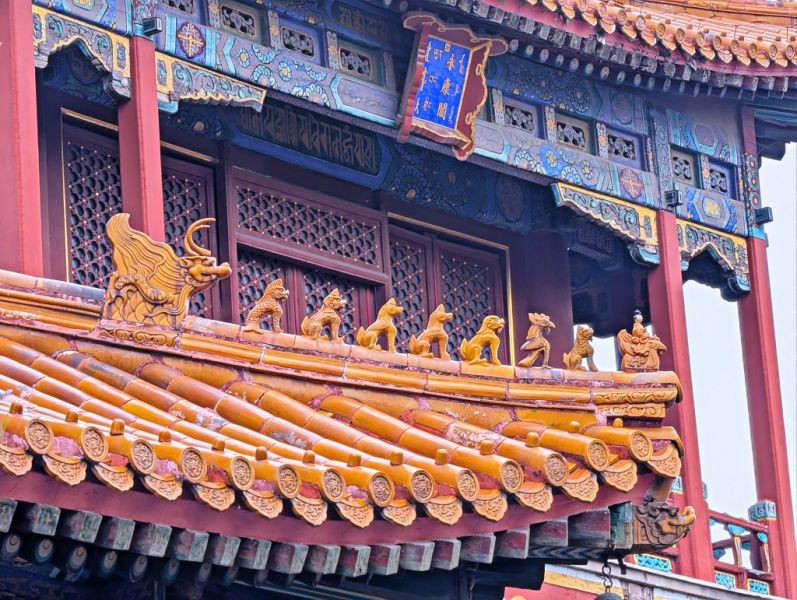
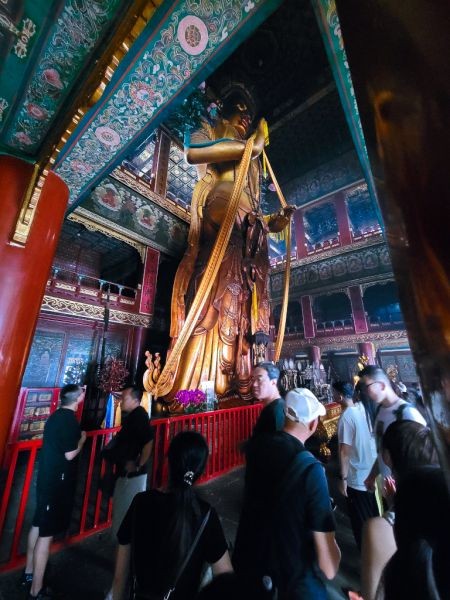
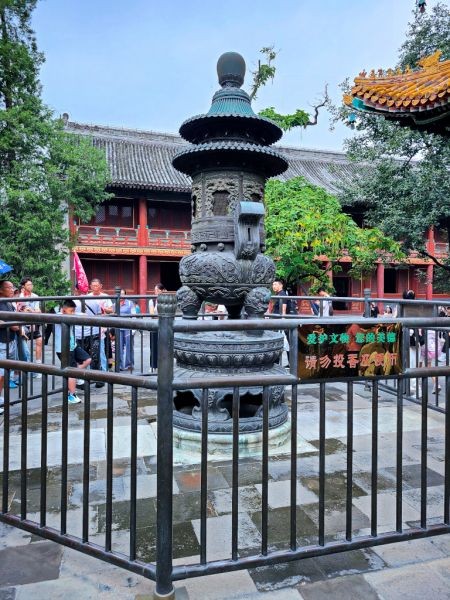
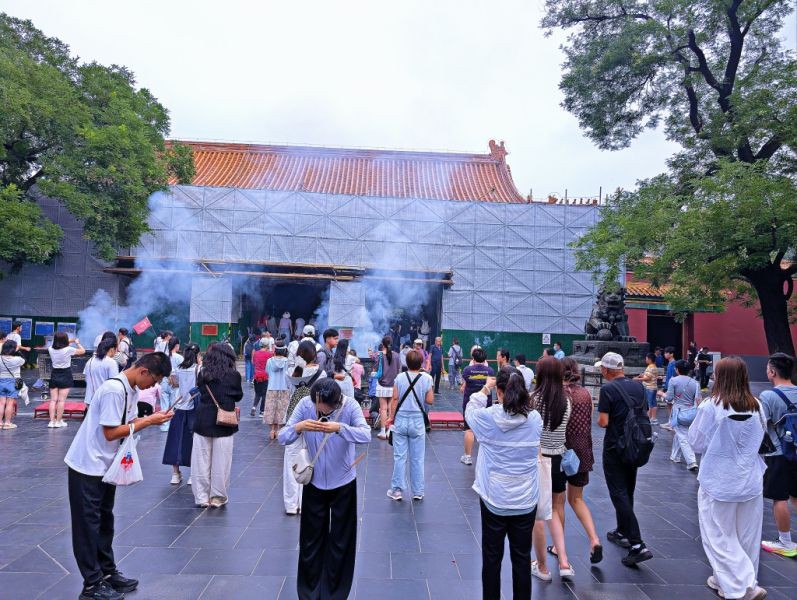
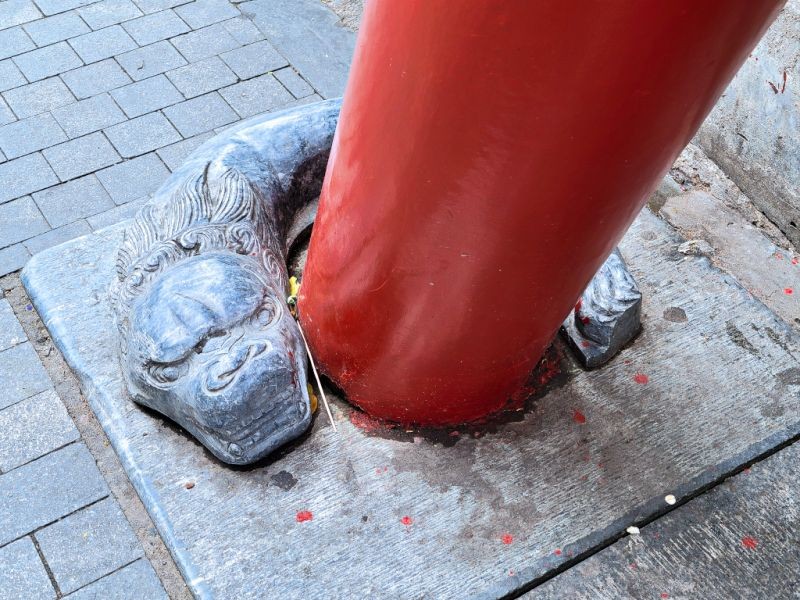
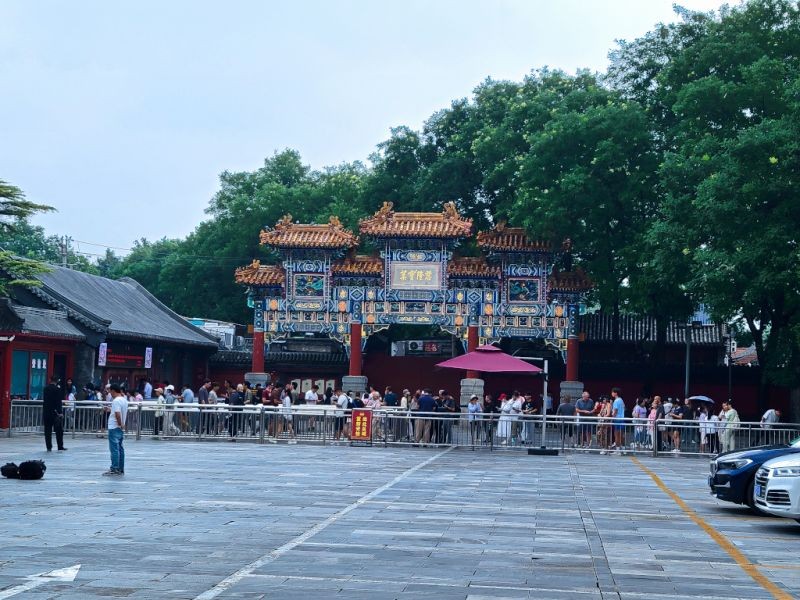
Our next stop was the impressive Yonghe Temple, also known as the Lama Temple. Originally built as a royal residence during the Qing Dynasty, it later became one of China's most important Tibetan Buddhist monasteries. As we walked through its ornate halls and peaceful courtyards, the scent of incense filled the air and worshippers quietly offered prayers. The highlight of our visit was seeing the temple's famous giant Buddha statue, carved from a single piece of sandalwood. It was a fascinating blend of history, architecture, and spirituality, and one of the most memorable sites we visited in Beijing.
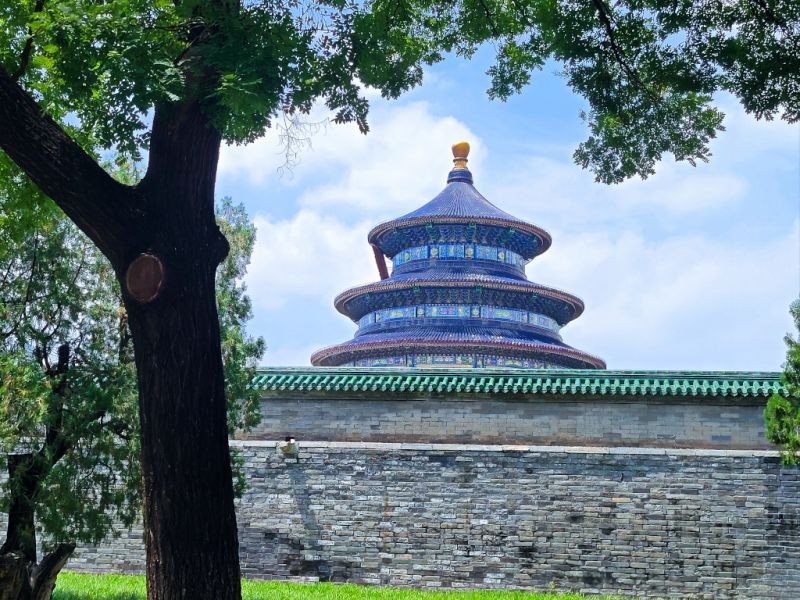
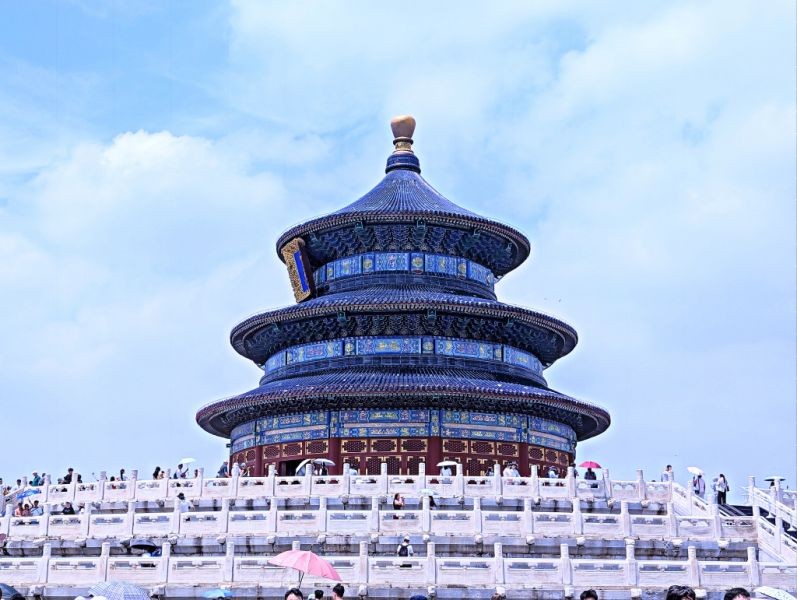
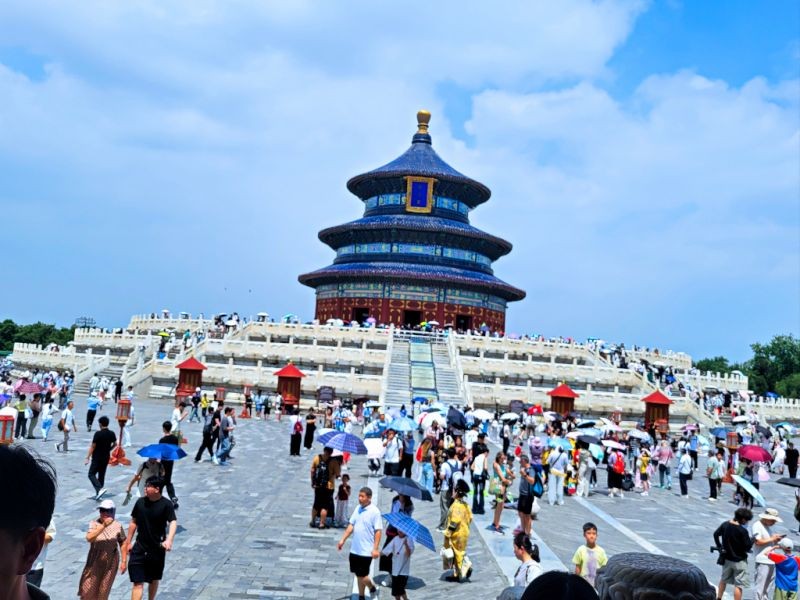
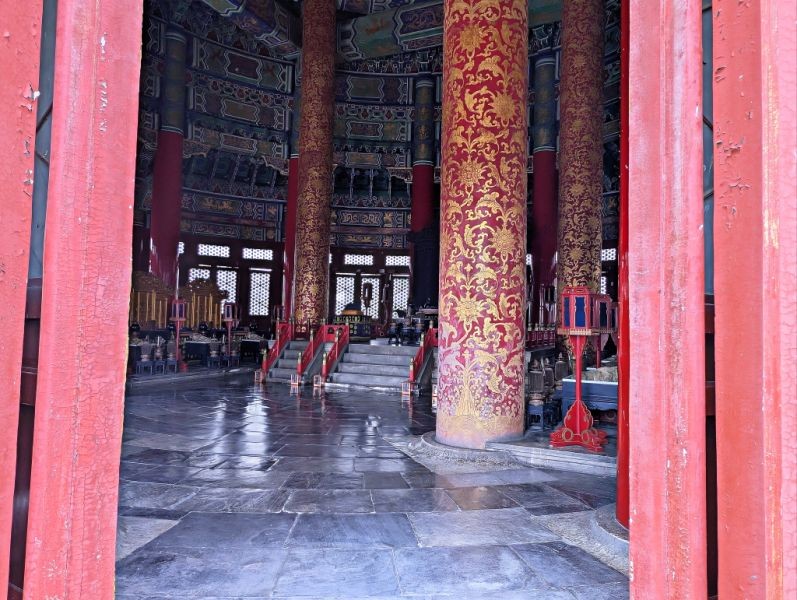
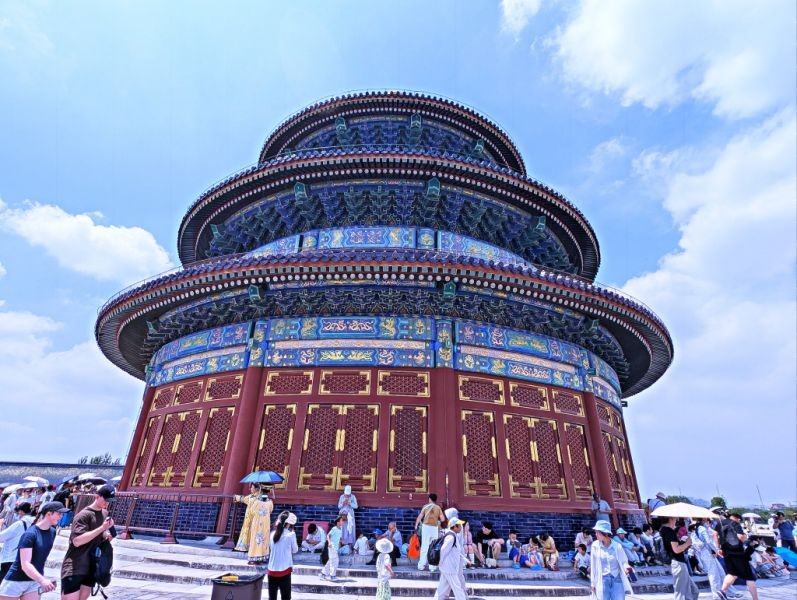
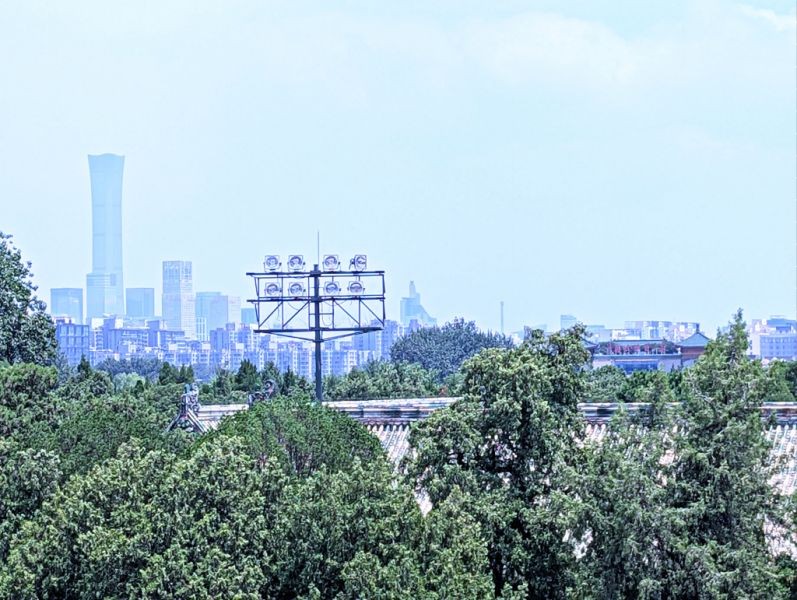
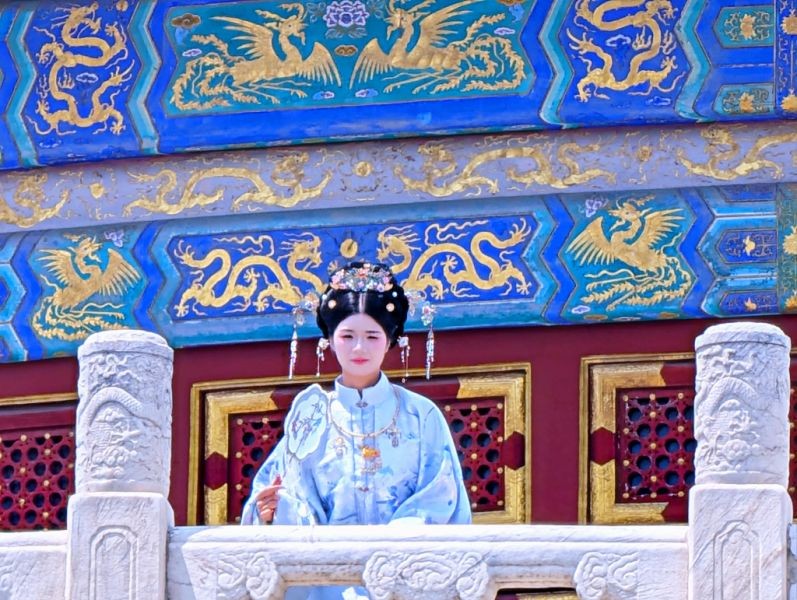
Our final stop for the day was at the magnificent Temple of Heaven, one of Beijing's most recognizable landmarks. Built in 1420, this vast complex was where Chinese emperors came to pray for good harvests and seek blessings from Heaven. The famous Hall of Prayer for Good Harvests, with its striking blue roof and intricate details, was even more impressive in person than in photographs. As we walked through the sprawling grounds, Lily explained how every aspect of the design reflected ancient Chinese beliefs about the relationship between Heaven, Earth, and the emperor. Despite the crowds, the Temple of Heaven had a peaceful atmosphere, and it was easy to imagine the grand ceremonies that once took place there centuries ago.
Photos of the Temple of Heaven
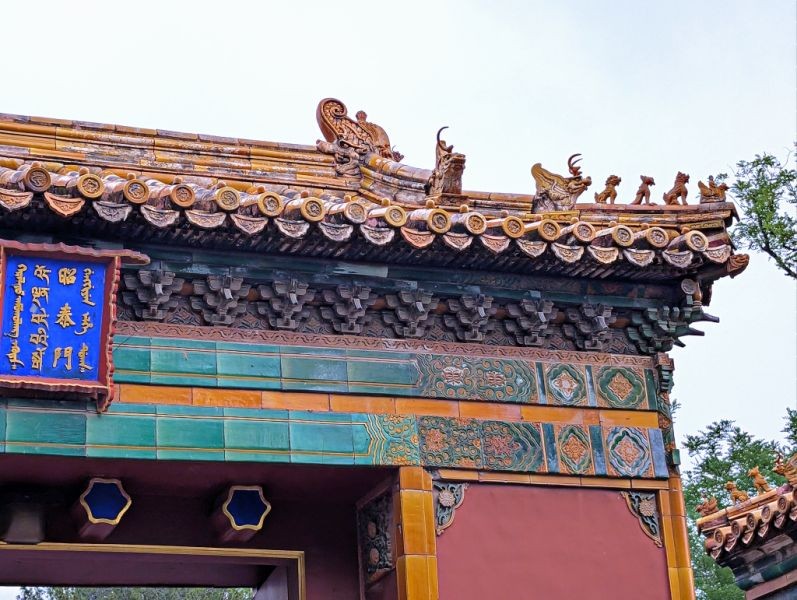
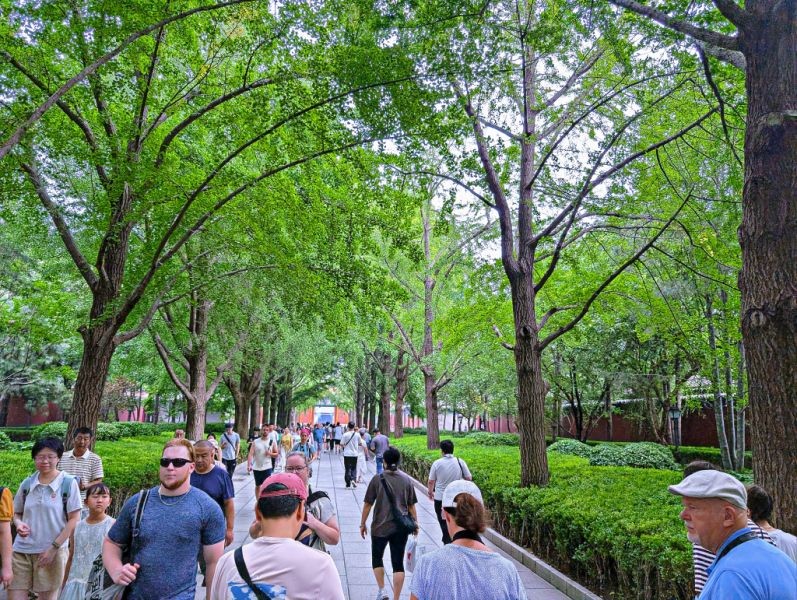
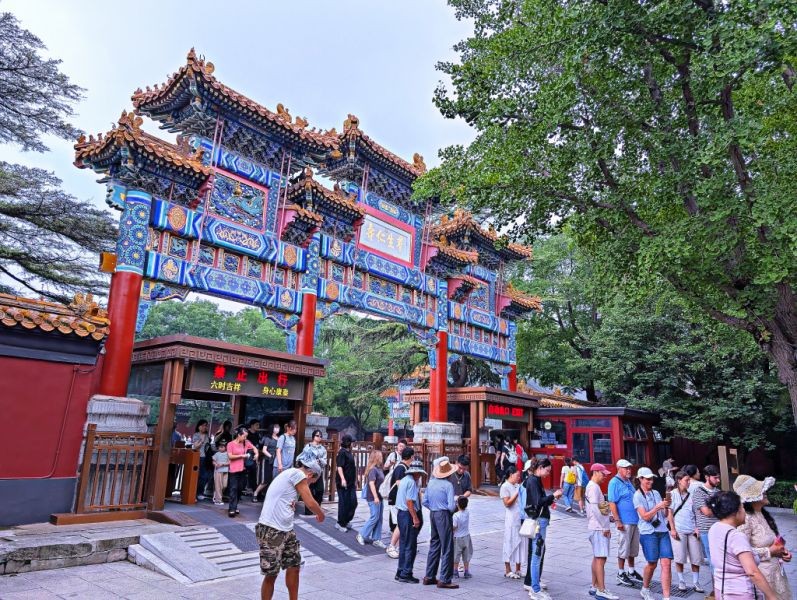
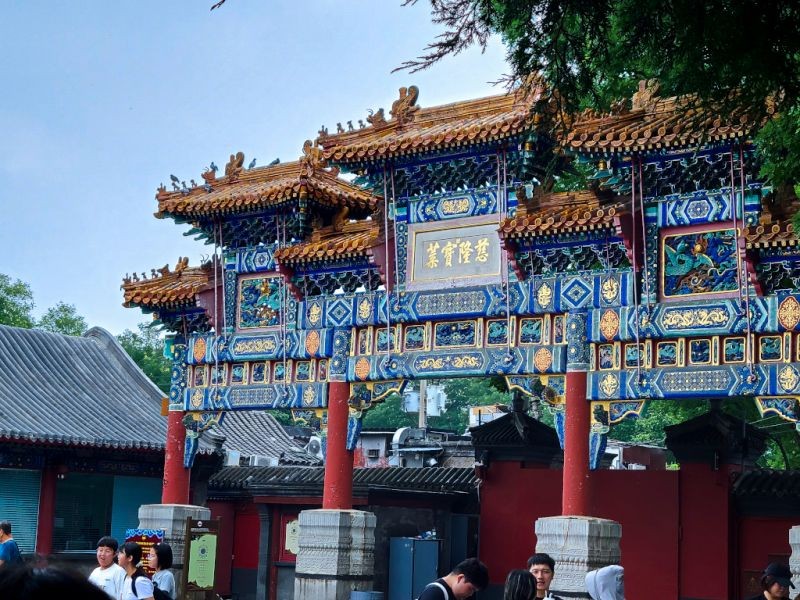
Although it was only around 2:00 p.m., another exciting day of sightseeing had come to an end. After returning to the hotel, Connie and I set out in search of lunch, wandering to a nearby shopping mall to see what we could find.
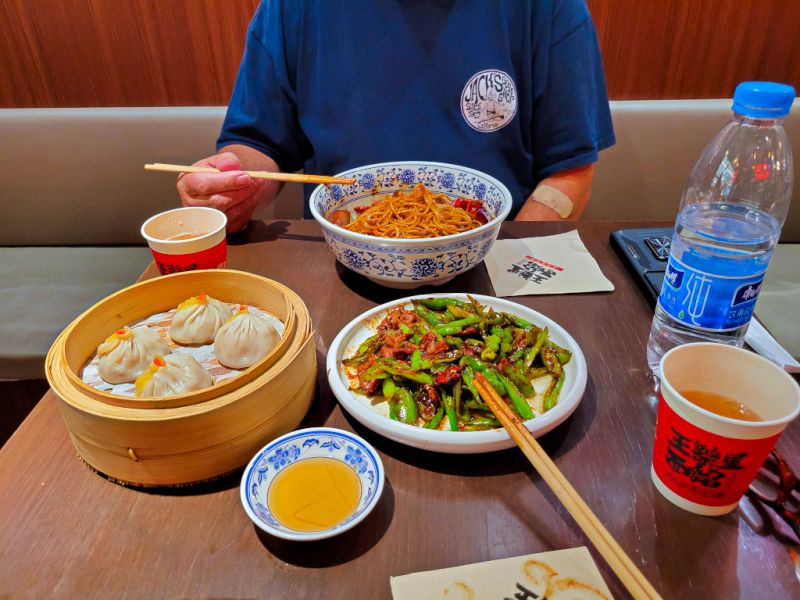
Before long, we discovered a noodle restaurant and once again faced the challenge of ordering food with a language barrier. By now, we were becoming quite experienced at navigating menus with a combination of pointing, translation apps, a little guesswork, and a helpful server. As usual, it all worked out perfectly. We enjoyed a delicious meal of noodles, beef stir-fry, and steamed meat buns.
The rest of the afternoon was devoted to some much-needed downtime. We caught up on laundry, took a well-deserved nap, and spent some time working on this travel blog and organizing photos from our adventures.
Later that evening, we decided a light dinner still sounded appealing. Just a short walk from the hotel were several streets lined with restaurants offering cuisines from around the world. We settled on a small Turkish restaurant, and for once, communication was much easier since our server spoke some English.
Keeping things simple, we ordered stuffed grape leaves and beef kebabs, both of which were excellent. And, of course, no Turkish meal would be complete without a serving of baklava for dessert.
By the end of the day, we were reminded that vacations can be surprisingly exhausting. After another day filled with exploration, good food, and new experiences, it was an early bedtime once again as we prepared for the next day's adventures.
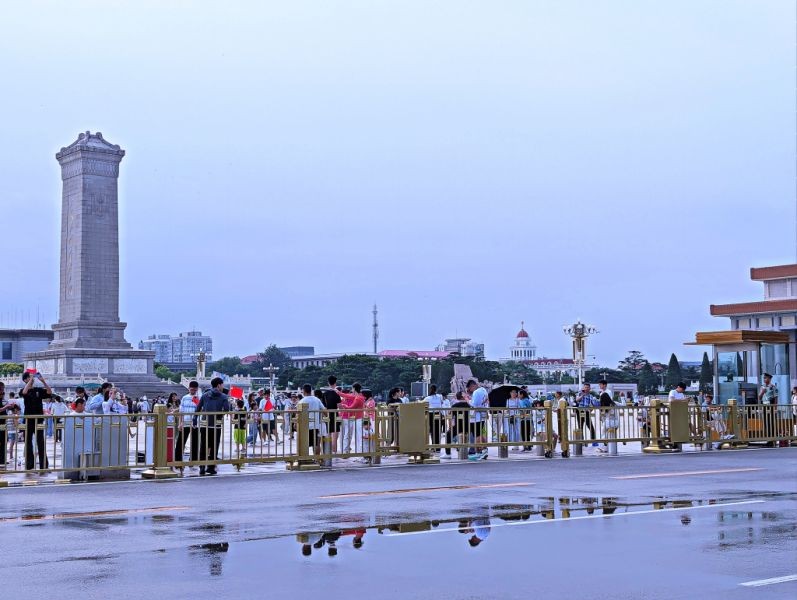
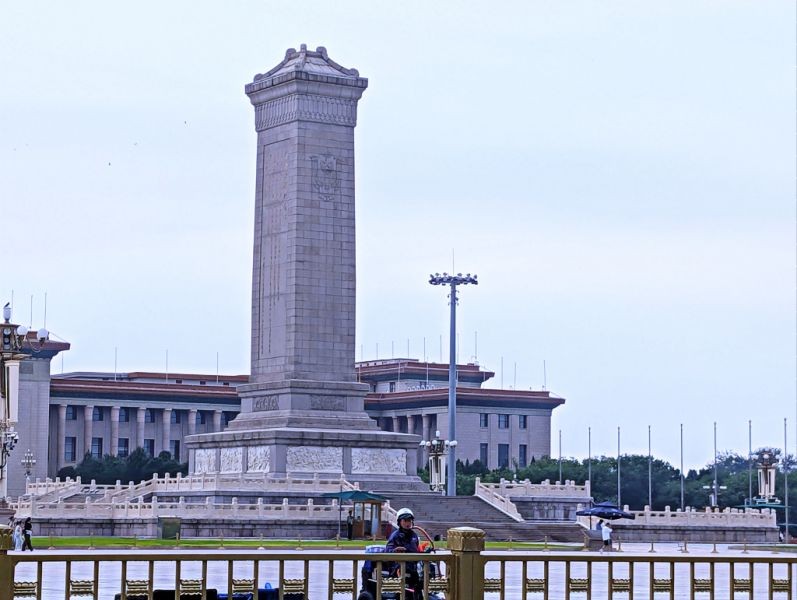
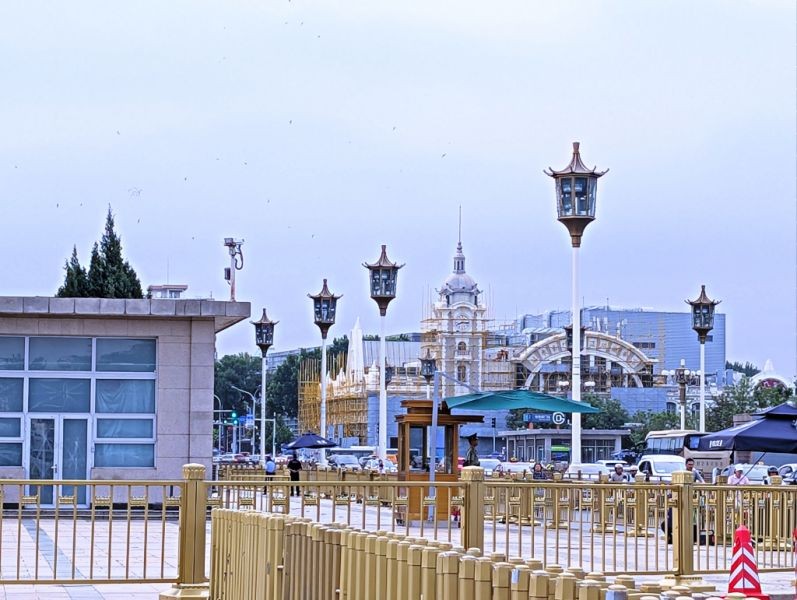
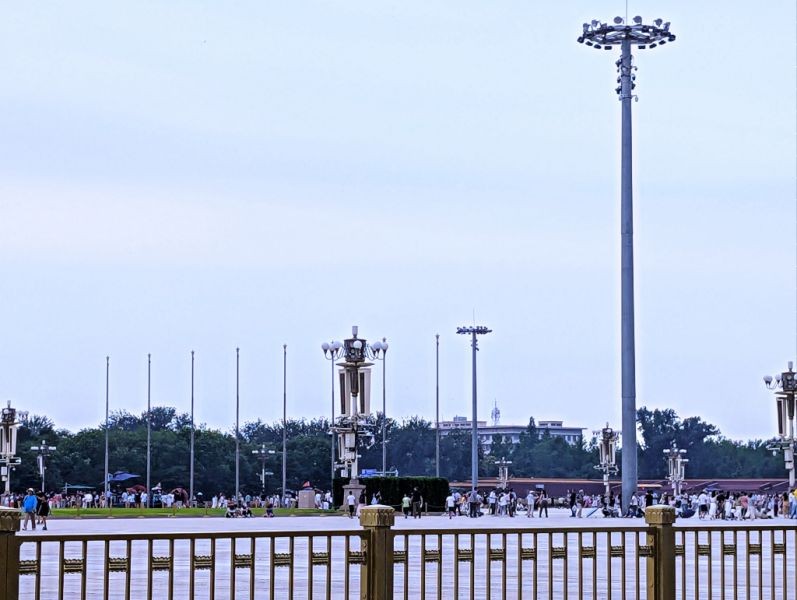
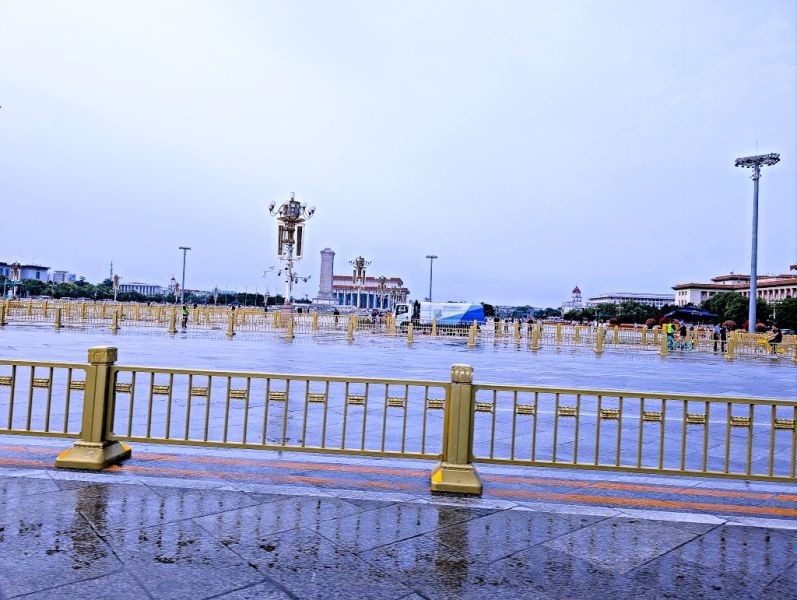
Wednesday, July 22d, 2026 - This morning, we drove around Tiananmen Square while our guide, Lily, shared insights into its political, cultural, and historical significance. The square has been the setting for many important moments in modern Chinese history, including the proclamation of the People's Republic of China in 1949 and the pro-democracy demonstrations of 1989. Lily offered us the chance to stop and explore on foot, but given the sheer size of the square, we decided to take in the sights from the comfort of the vehicle instead.
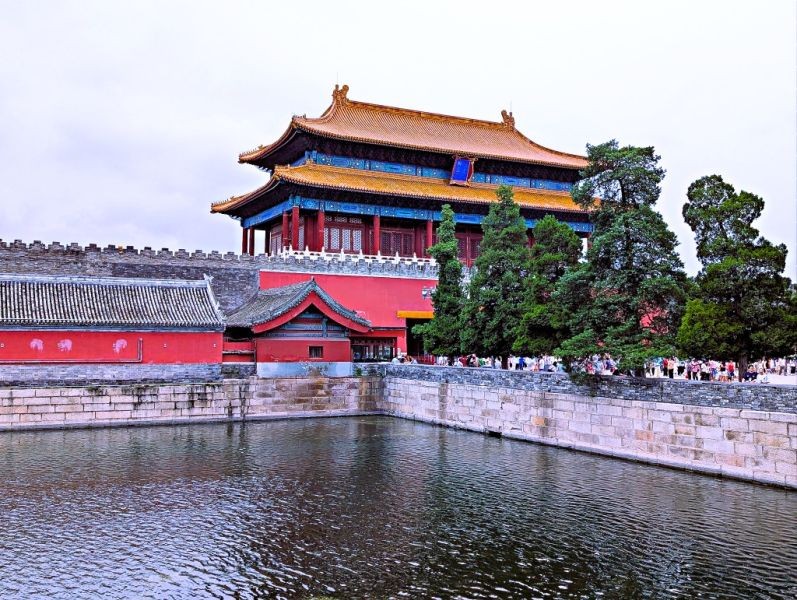
Our next stop was the magnificent Forbidden City. Located in the heart of Beijing, this enormous imperial palace complex was commissioned by the Yongle Emperor in 1406 and became the home of China's emperors from 1420 onwards. For centuries, it served as both the residence of the imperial family and the political center of the Chinese empire. The name "Forbidden City" comes from the fact that access was once strictly controlled, with ordinary citizens barred from entering without permission from the imperial court.
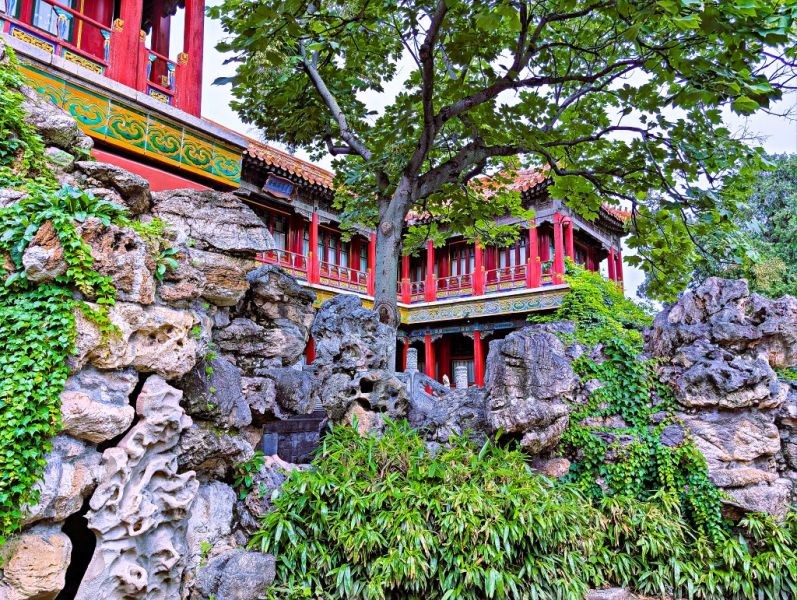
Today, the Forbidden City is a UNESCO World Heritage Site and one of China's most visited attractions. One fact I found particularly interesting is that, despite its name, it is not actually a city at all, but a vast walled palace complex built to project the power, authority, and grandeur of the emperor. Exploring its impressive halls, courtyards, and gates offered a fascinating glimpse into China's imperial past. We were always tickled when a child would come up to us to say hello in English or asked to have their picture taken with us. It was busy with visitors, but undoubtedly one of the highlights of our time in Beijing.
Photos of Tiananmen Square
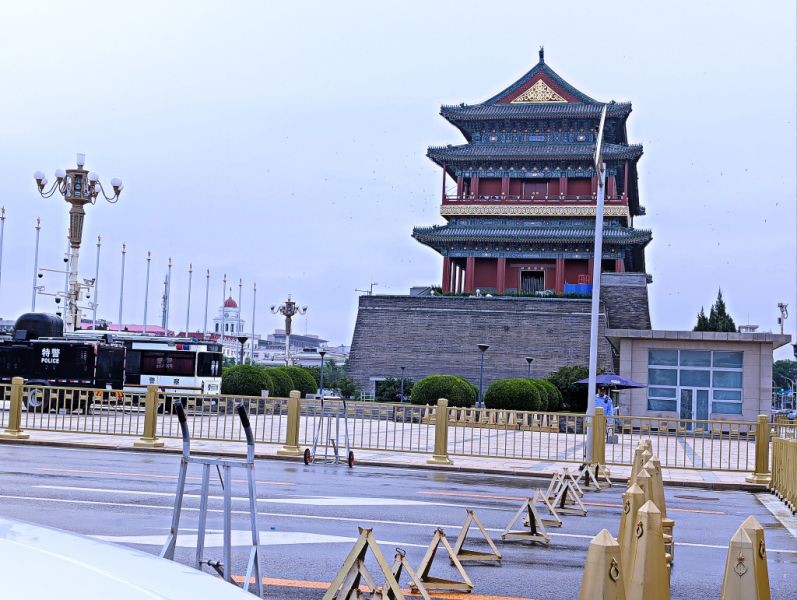
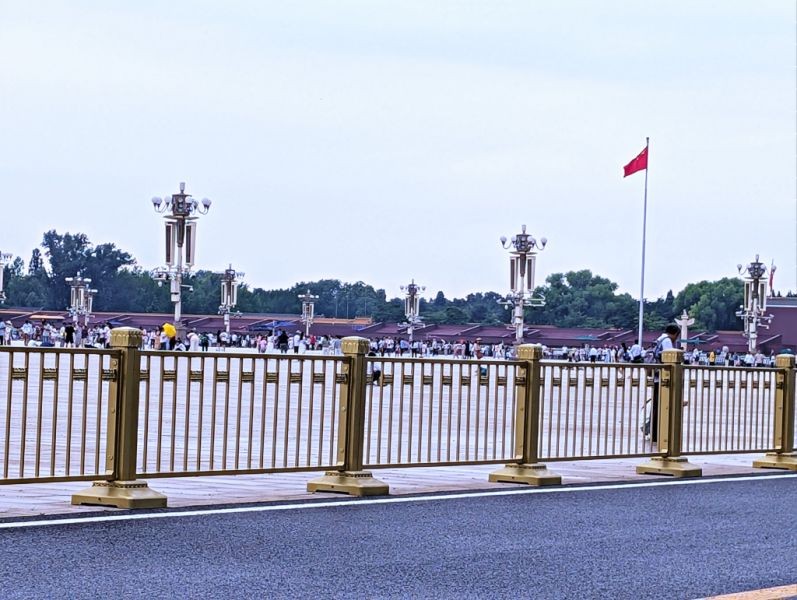
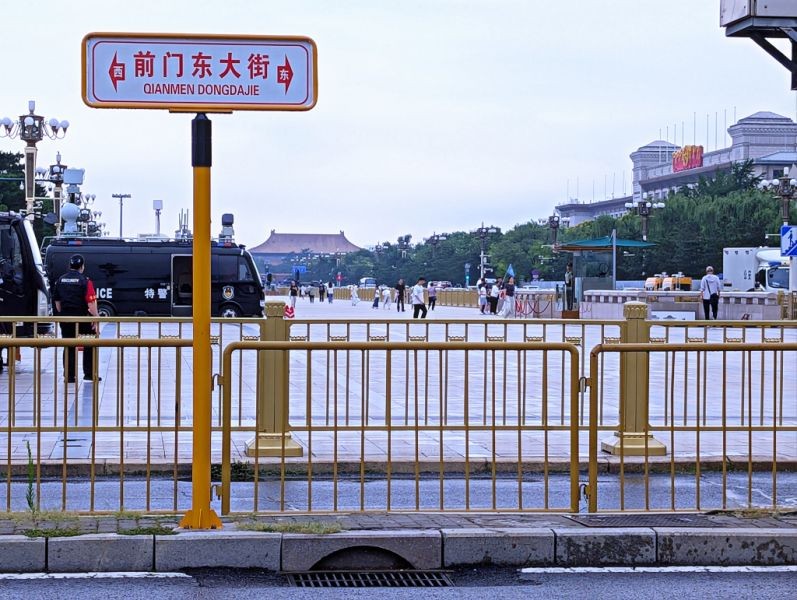
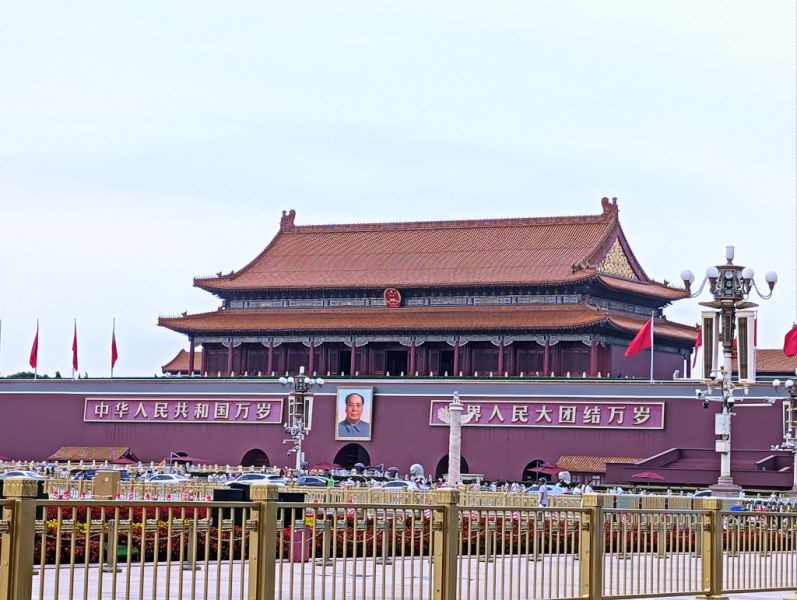
Photos of the Forebidden City
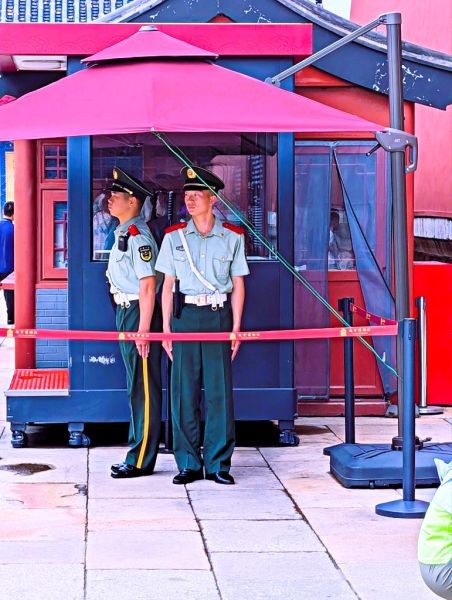
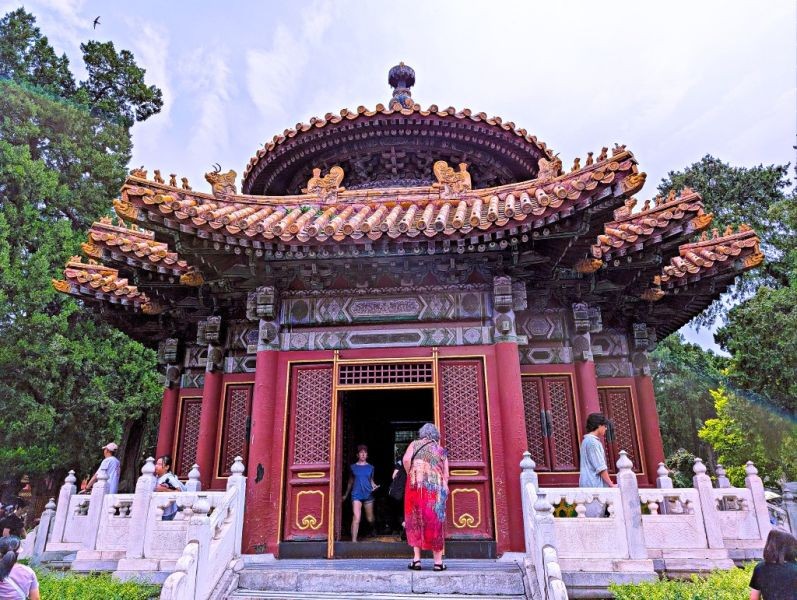
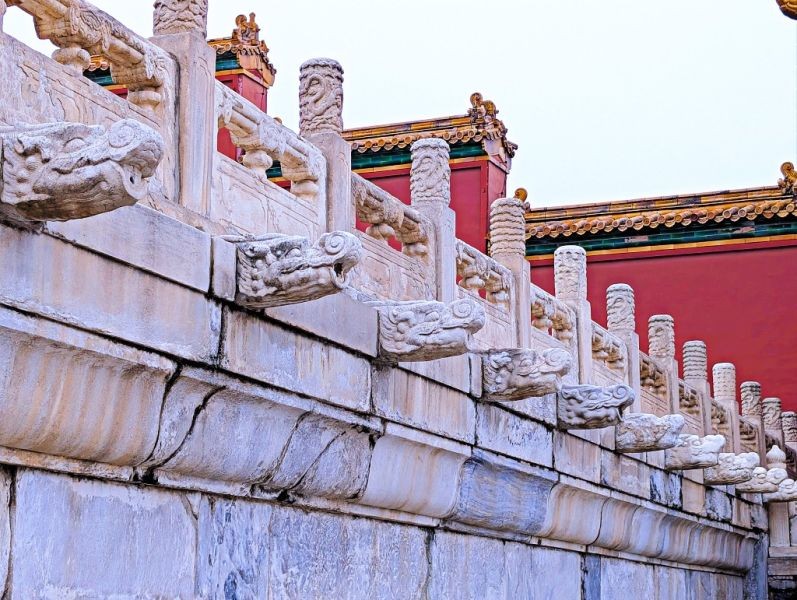
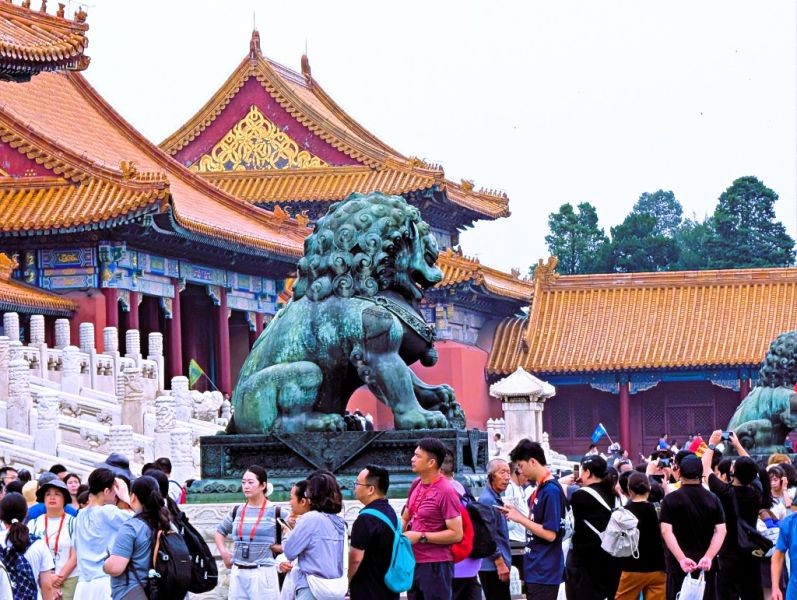
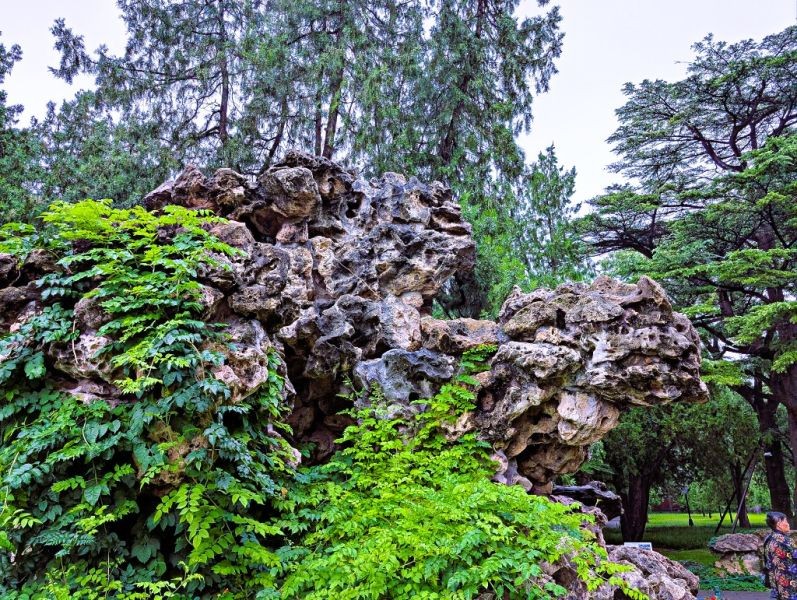
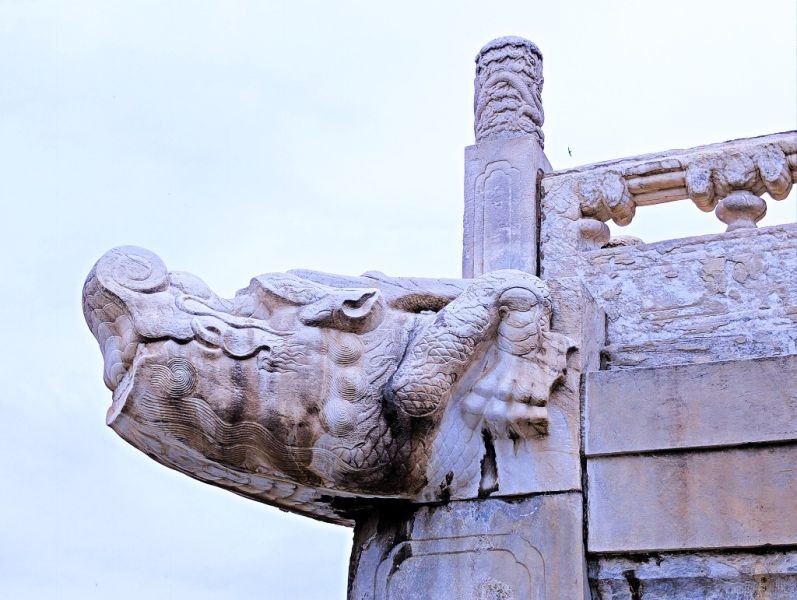
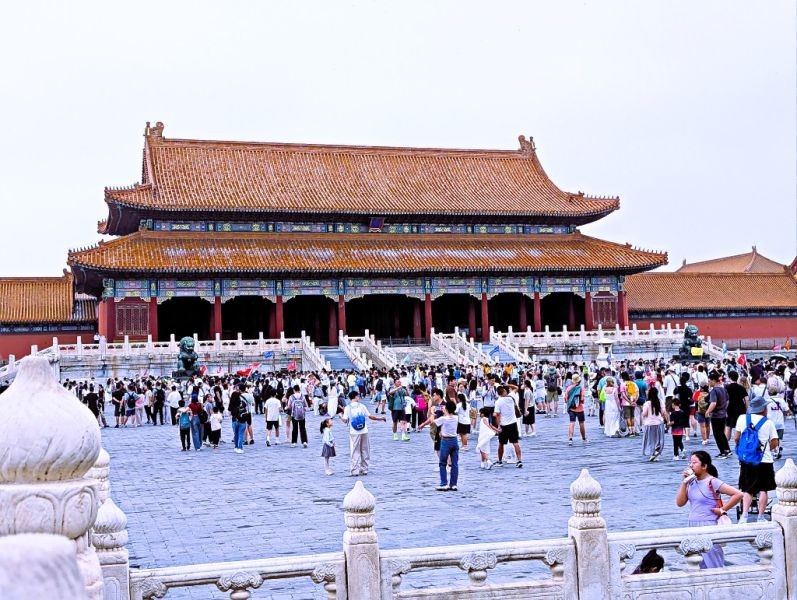
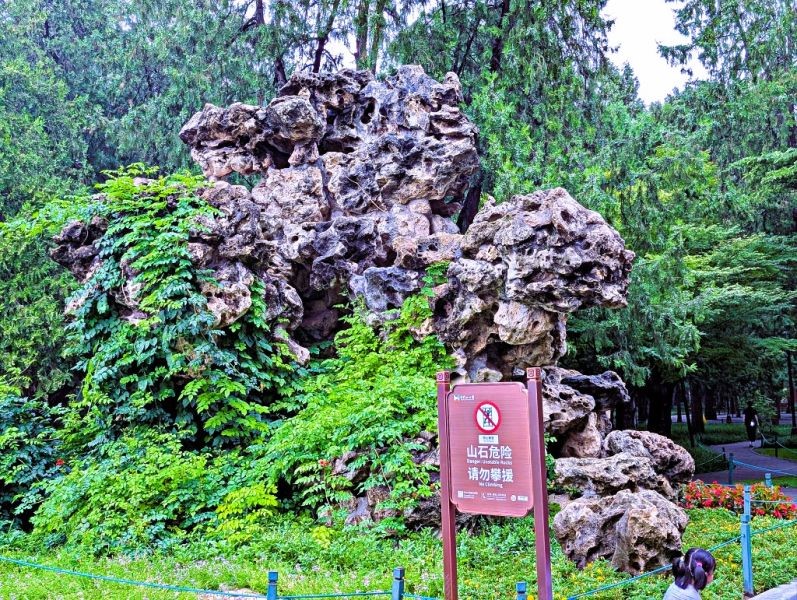
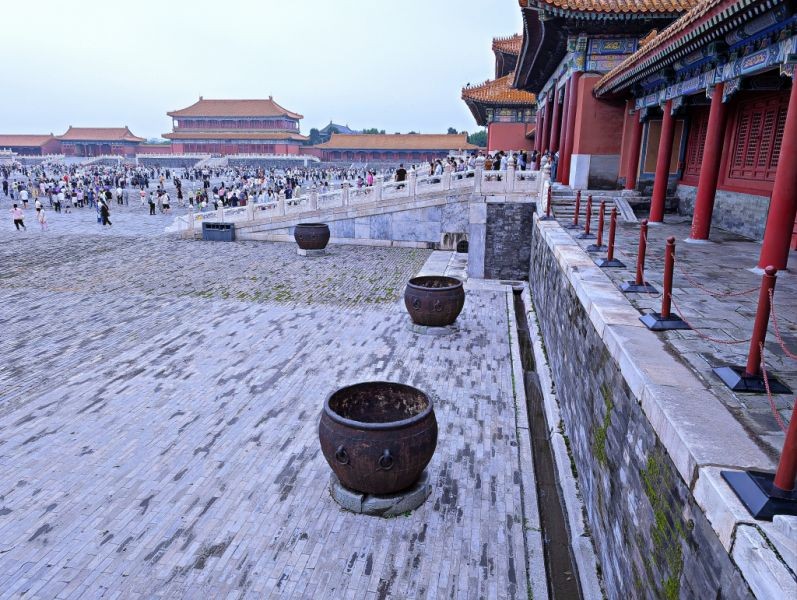
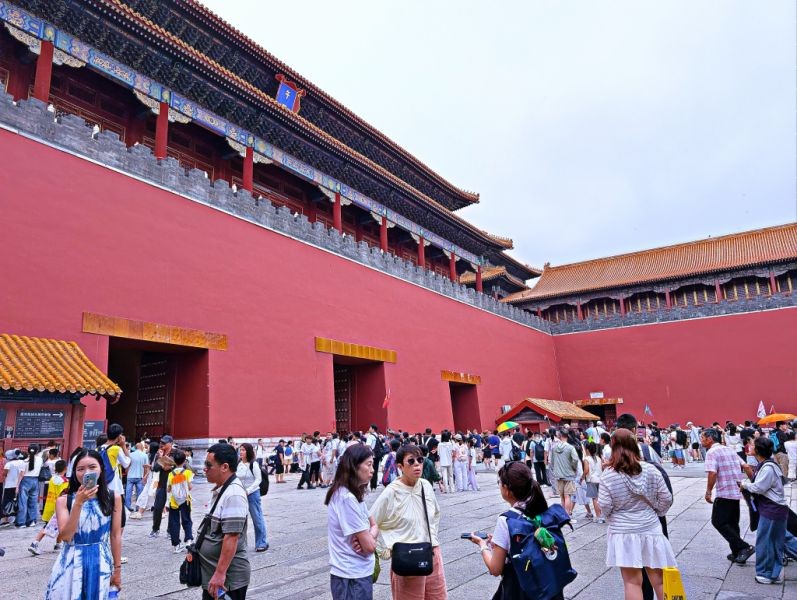
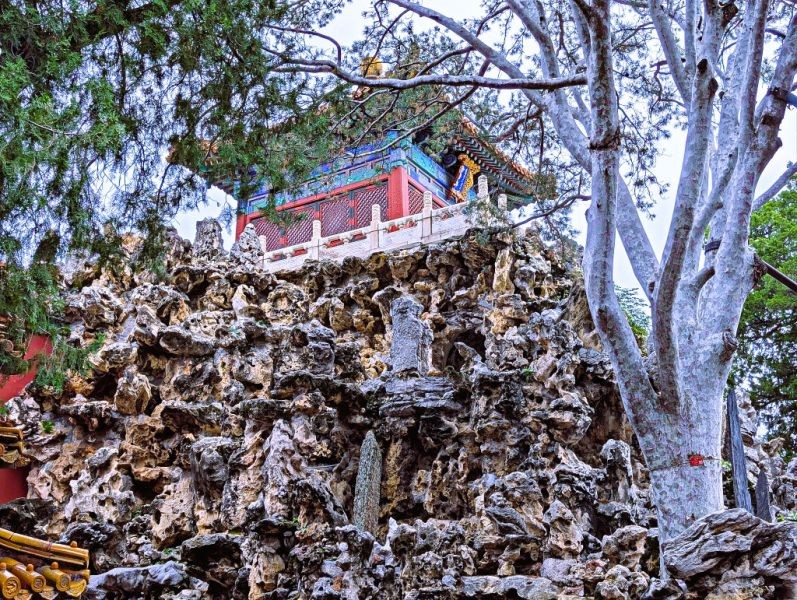
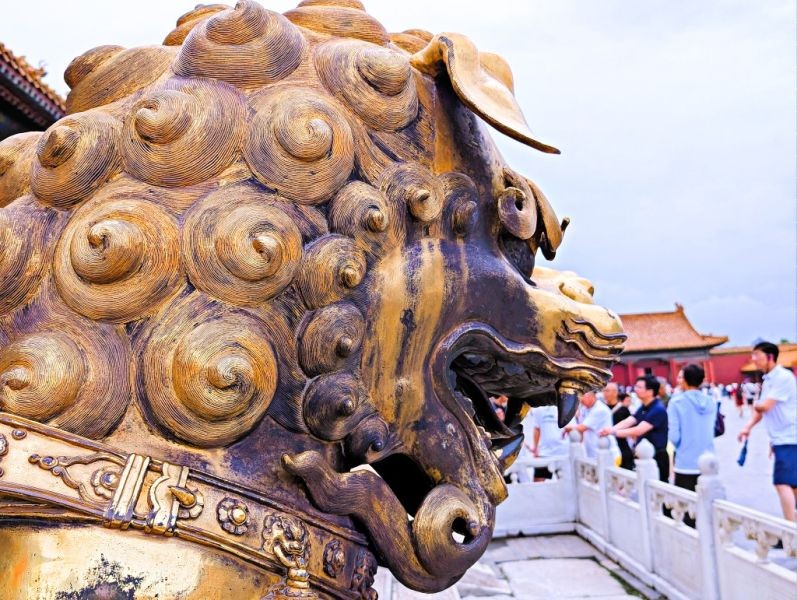
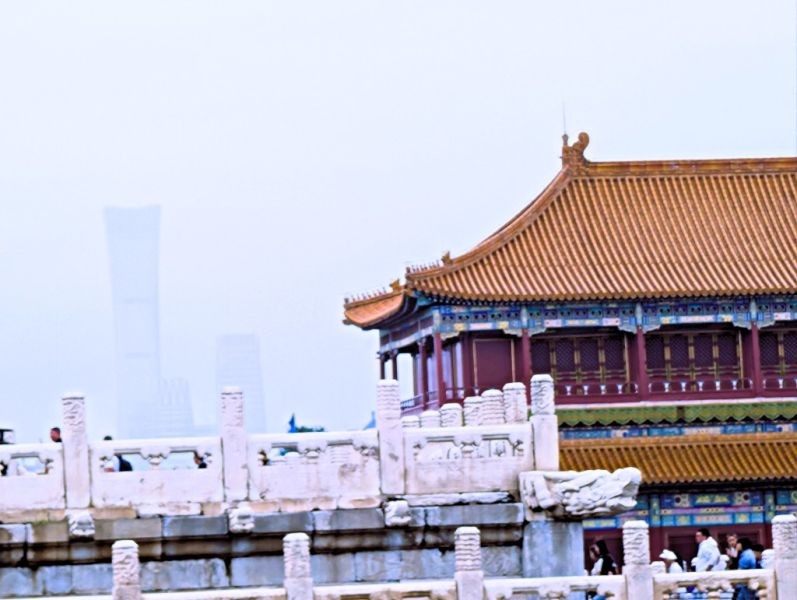
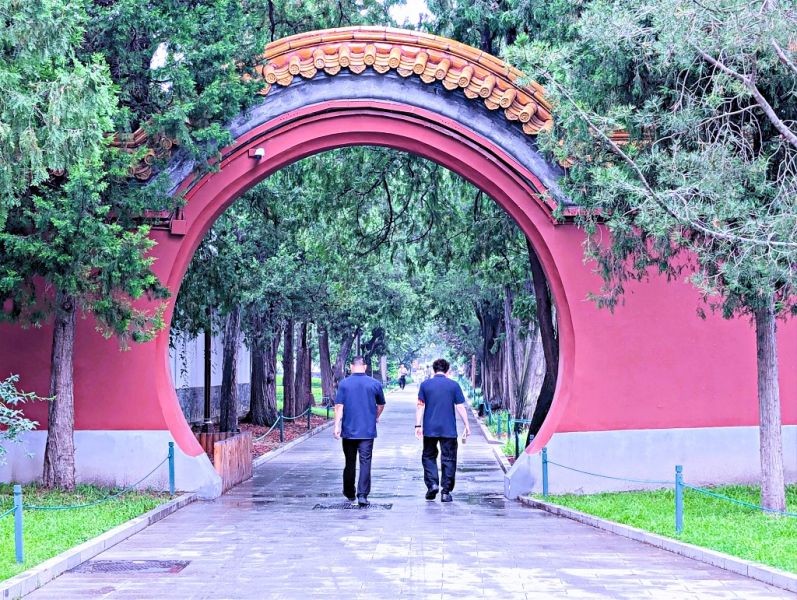
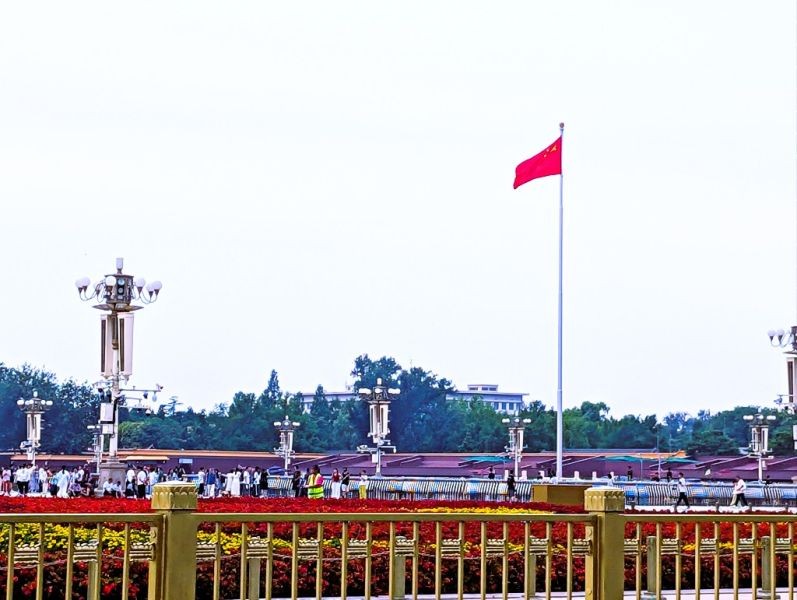
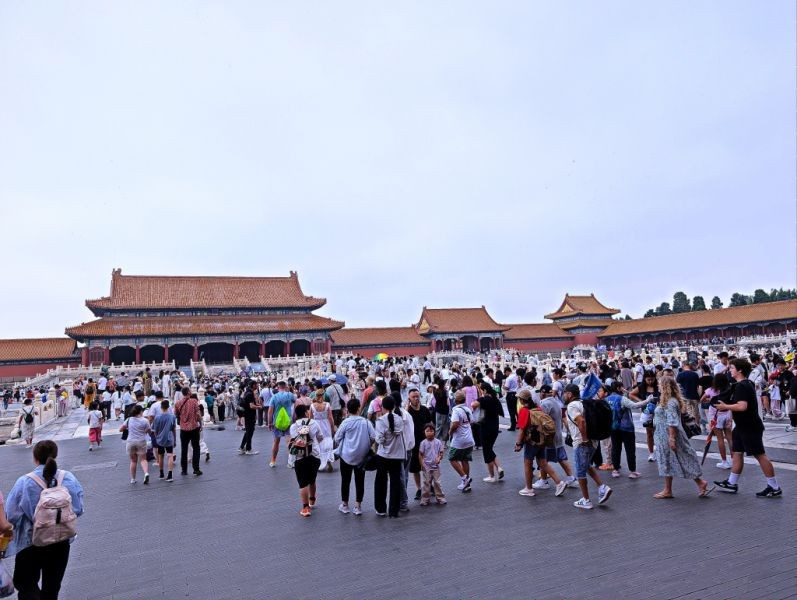
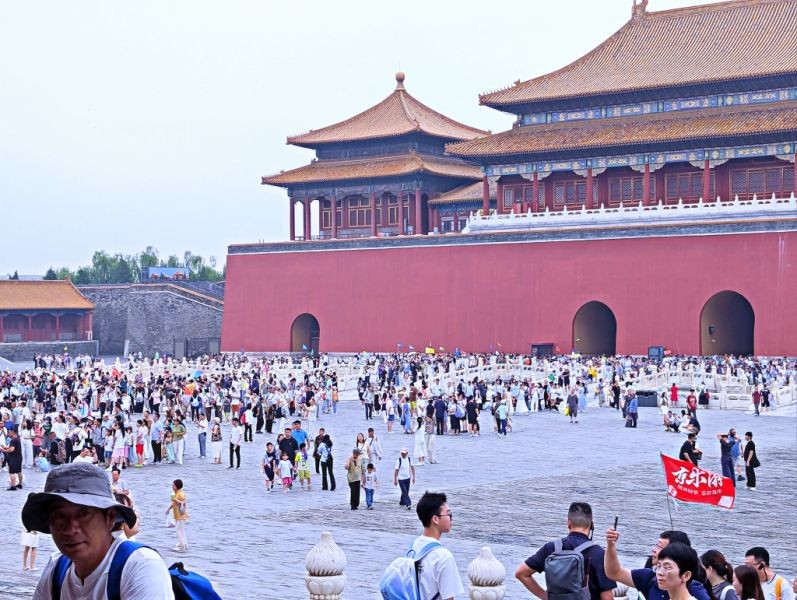
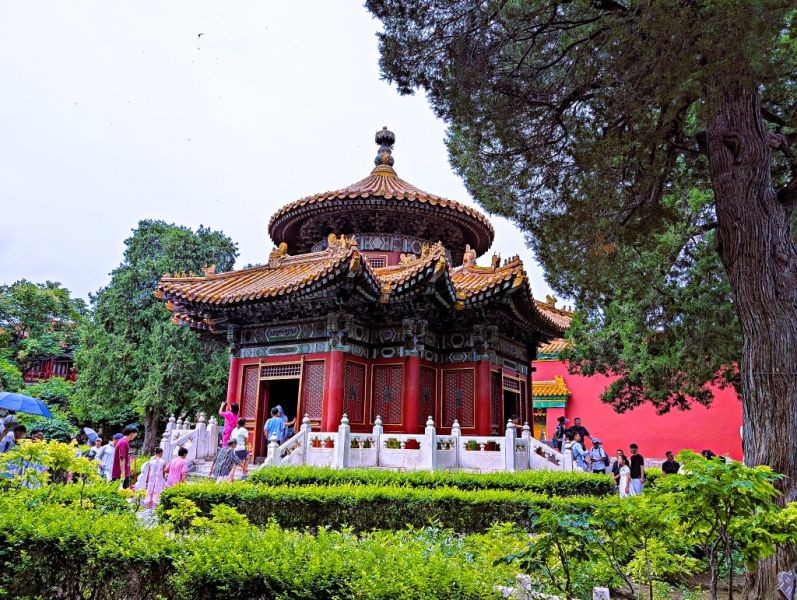
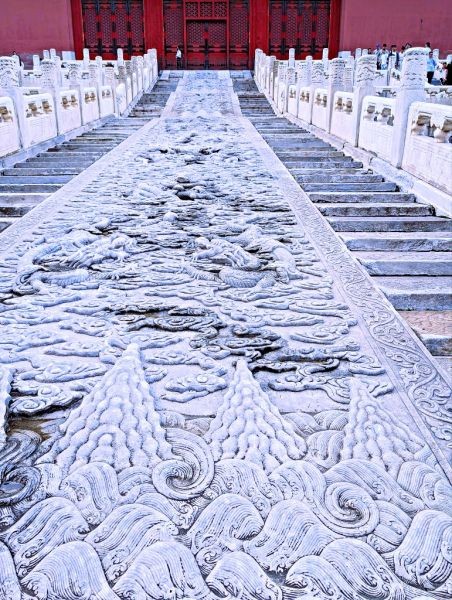
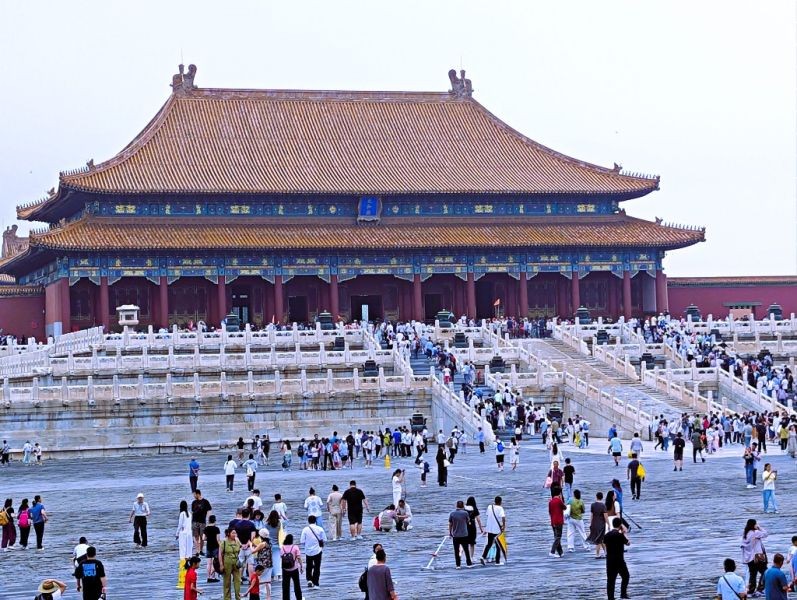
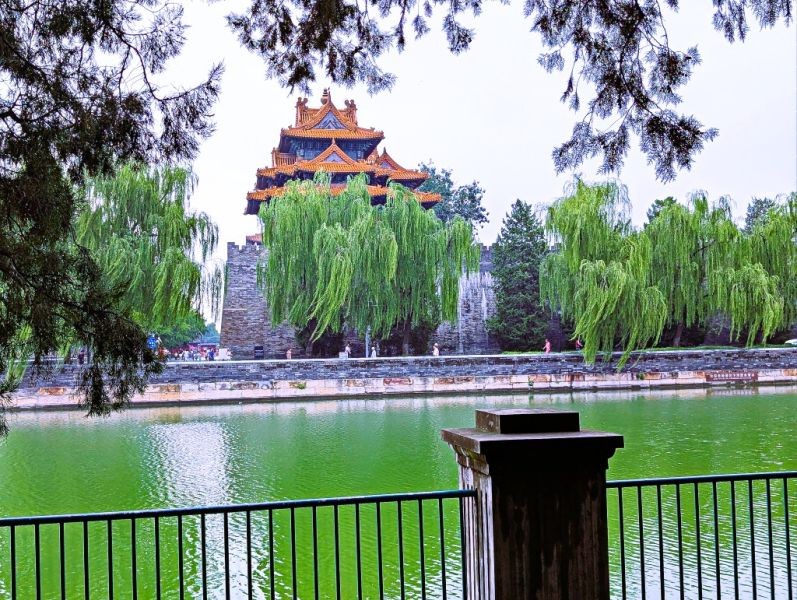
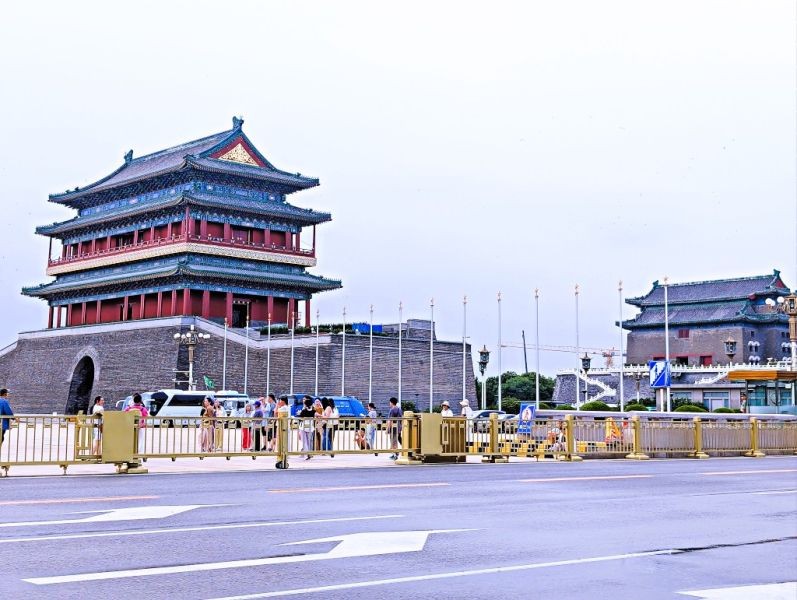
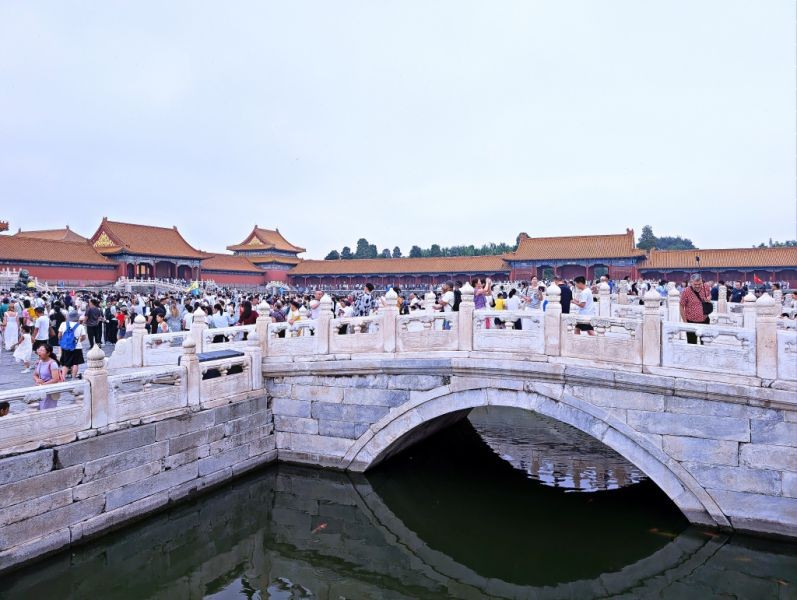
Another exhausting day of sightseeing in the extreme heat. The crowds were extreme, which made it difficult to see many of the attractions. The other tourists were also extremely "pushy". They didn't hesitate to step in front of you or push you aside to get in front of you for a better view. At times, there wasn't more than 1" between people. Any more than that, someone would push themselves into that 1" space, forcing you to back up.
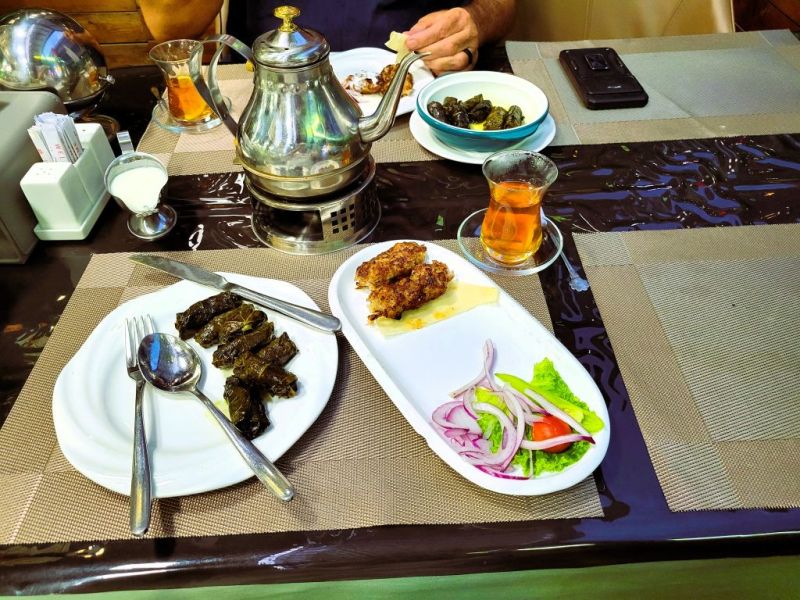
After returning to the hotel, Connie and I worked on this BLOG with the terribly unreliable and slow Internet connection. We took some time to relax at the swimming pool before heading out in search of dinner. Here we are in China, and we have a wonderful Turkish dinner of stuffed grape leaves and meat kabobs, Turkish Tea, finished with Baklava.
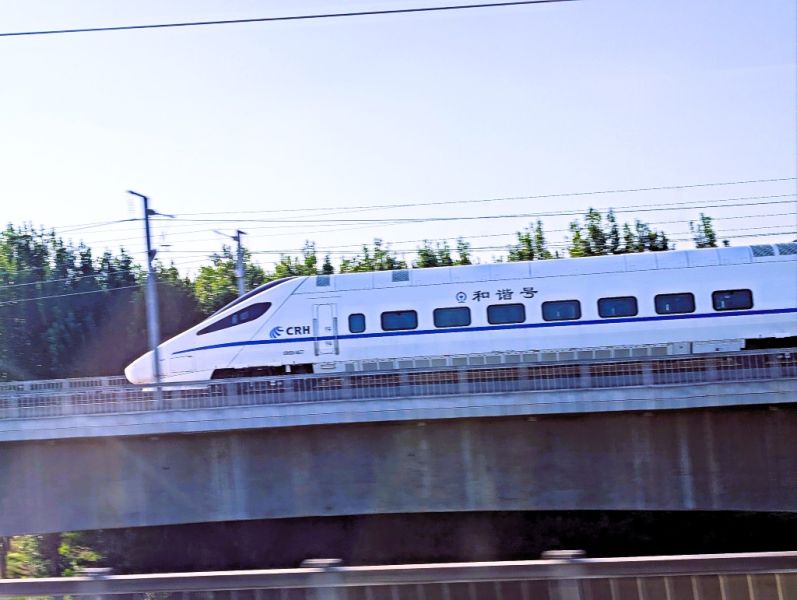
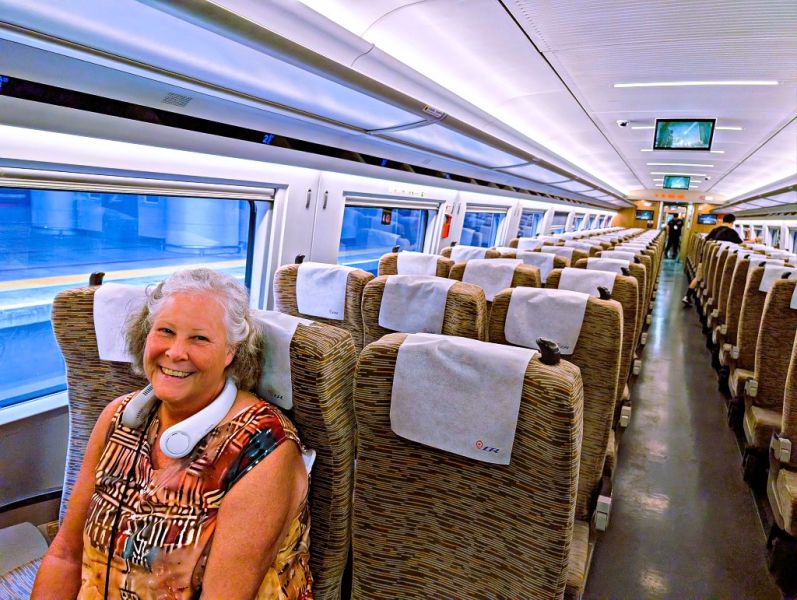
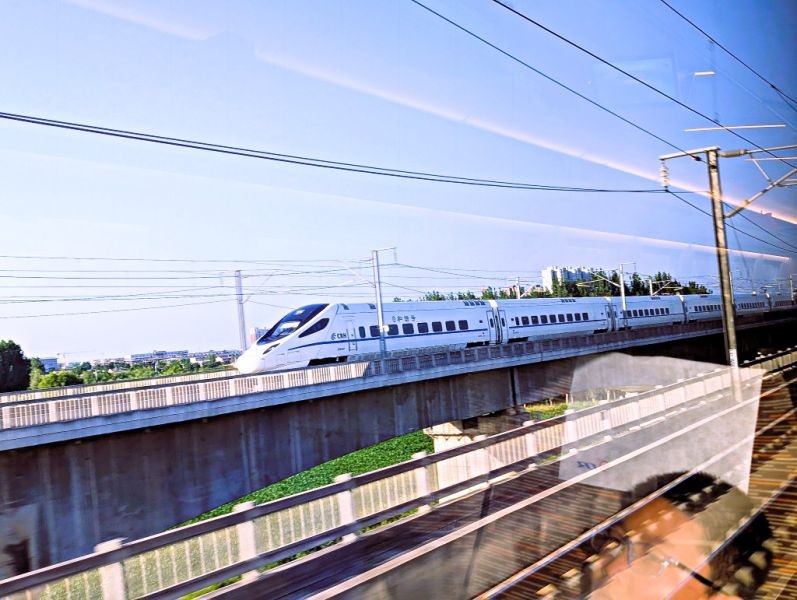
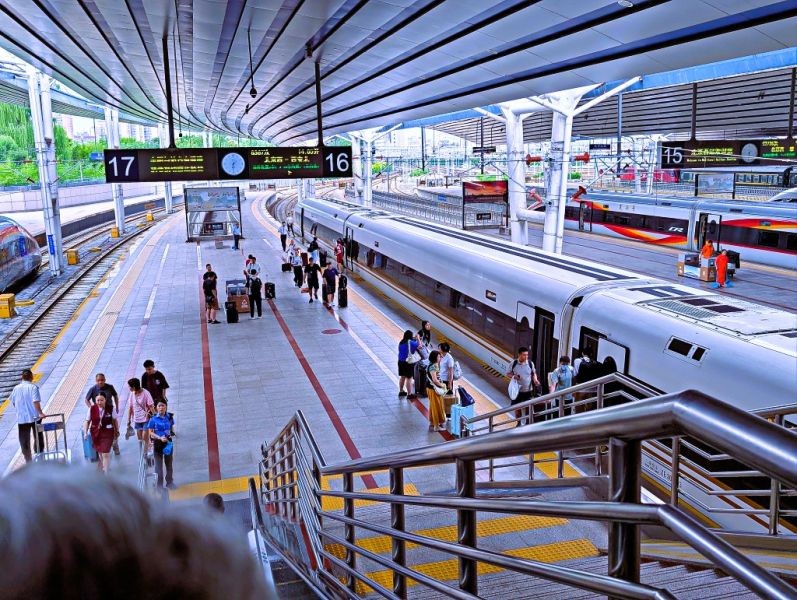
After spending almost 4-days in Beijing, it was time to move on the next phase of our China adventure. One of the most impressive parts of travelling around China is experiencing the country's high-speed rail network. Our journey from Beijing to Xi'an was aboard one of China's sleek bullet trains, which whisked us across approximately 1,200 kilometers in just over four hours. The train speeds along at up to 300 km/h (186 mph), making it a fast, comfortable, and efficient alternative to flying.
The route connects two of China's most historic cities, carrying passengers from the modern capital of Beijing to the ancient city of Xi'an, home of the Terracotta Warriors. Along the way, the scenery gradually changes from the busy urban landscapes of northern China to rolling countryside, farmland, and the distinctive hills of Shaanxi Province.
The train itself was remarkably smooth and quiet, with spacious seating, ample legroom, and large windows perfect for watching the landscape race by. It felt less like traditional train travel and more like gliding across the country. For us, the journey was more than just transportation, it was an opportunity to experience one of China's greatest modern achievements while travelling between two destinations rich in thousands of years of history.